




Heat is uncomfortable.
It makes it harder to sleep, harder to work, harder to exercise and harder to get through an ordinary summer day.
But an extraordinary investigation from NPR and researchers at Boston University is an important reminder that extreme heat is much more than a comfort problem.
It can be a serious health threat. And the true impact may be far greater than the numbers most of us see.
After two years of investigation and data analysis, NPR and Boston University estimated that heat contributed to around 9,000 deaths per year on average in the United States between 2018 and 2025. That is roughly five times the official average over the same period.
In some years, their estimate exceeded 10,000 deaths.
It is remarkable reporting, and we strongly encourage you to read NPR's original investigation here.
But sitting here in Australia at the beginning of spring, there is another reason we think their work deserves attention.
Our summer is next.
Key takeaways
- NPR and Boston University estimate heat contributes to around 9,000 US deaths annually, substantially more than official death records identify.
- This does not mean 9,000 people die from heatstroke. Heat can contribute to cardiovascular, respiratory and other deaths without being recorded as the primary cause.
- Australia appears to have a similar measurement problem. Australian research has found large differences between deaths explicitly recorded as heat-related and statistical estimates of heat-attributable mortality.
- Heatwaves are already Australia's most dangerous natural hazard in terms of directly attributable loss of life, according to the Australian Institute of Health and Welfare.
- Australia is heading towards another potentially demanding warm season. The Bureau of Meteorology currently expects warmer-than-average spring days and nights across much of the country, with El Niño expected to persist into summer.
- Fans can be useful, but they are only one part of heat management. Hydration, shade, rest, appropriate work practices, access to genuinely cooler environments and knowing the symptoms of heat illness all matter.
- Preparing before the extreme heat arrives is much easier than reacting once it does.
The remarkable work behind NPR's investigation
One of the most important things about NPR's investigation is that it looked beyond what appears on individual death certificates.
Official US heat-death figures rely heavily on heat being identified as an underlying or contributing factor when a person's death is recorded.
But heat does not always present itself that neatly.
Someone may suffer a cardiovascular event during a period of extreme heat. Another person's existing health condition may suddenly worsen. Heat may place additional strain on the body and contribute to a death without ever appearing clearly on the final death record.
To investigate that gap, NPR partnered with researchers at Boston University and examined weekly mortality and temperature data across hundreds of US counties.
Their analysis looked for the relationship between higher temperatures and increases in deaths, rather than relying only on records where heat had explicitly been written down as a cause.
The conclusion was confronting.
While official US heat-related death counts averaged roughly 1,700 annually between 2018 and 2025, NPR and Boston University's analysis estimates that heat influenced approximately 9,000 deaths in an average year.
That is about five times higher.
Some years exceeded 10,000.
NPR also notes that even its estimate could remain conservative because of limitations in the available data.
Read NPR's full heat-death investigation and methodology.
Does that mean 9,000 Americans die from heatstroke?
No, and this distinction is important.
NPR is not saying that approximately 9,000 Americans receive a diagnosis of heatstroke and die from it every year.
It is estimating the broader number of deaths influenced or attributable to heat.
Heatstroke is one severe and potentially fatal form of heat illness. But heat can also place additional stress on the cardiovascular system, respiratory system and other parts of the body.
For someone who is older, has an existing medical condition, takes certain medications or is otherwise vulnerable, extreme temperatures may contribute to a medical event without "heat" ever becoming the headline diagnosis.
That is one of the central challenges NPR has highlighted.
The most visible heat deaths may only represent part of the total health impact.
This isn't just an American problem
Australia is obviously different from the United States.
Different climate. Different healthcare system. Different housing. Different population distribution.
But the problem of identifying the true health impact of heat exists here too.
A 2025 paper published in The Lancet Regional Health - Western Pacific, Underestimating heat-related mortality: a comparison of excess mortality and death record studies for Australia, compared Australian research using different methods of estimating heat-related deaths.
The differences were substantial.
Studies relying on individual records such as death certificates generally identified far fewer heat-related deaths than studies using statistical methods to examine the relationship between temperature and excess mortality.
That does not mean every statistical estimate should simply be treated as the "true" number.
Different studies use different locations, datasets, reference temperatures and analytical methods. As the Australian paper itself stresses, these choices can produce significantly different estimates.
What the research does show is that counting only deaths where heat is explicitly written on the record may substantially underestimate its broader impact.
That makes NPR's investigation relevant well beyond the United States.
Heat is already a major Australian health risk
Australians are familiar with dramatic natural disasters.
Bushfires. Floods. Cyclones. Severe storms.
Extreme heat can look much less dramatic.
But according to the Australian Institute of Health and Welfare, heatwaves are historically Australia's most dangerous natural hazard in terms of directly attributable loss of life.
AIHW found that extreme heat accounted for 78% of extreme-weather-related injury hospitalisations across the decade examined in its report.
Its newer injury data also shows excessive natural heat remaining the leading cause of injury hospitalisations within the "forces of nature" category.
The problem is that dangerous heat often doesn't look like a disaster.
Sometimes it looks like an elderly person alone inside a home that never properly cools down.
A construction worker pushing through the final hours of a physically demanding shift.
A warehouse with limited airflow.
A driver sitting in a hot cab.
An athlete training in direct sun.
Someone sleeping badly for several nights because temperatures remain high long after sunset.
Or a person with an existing health condition whose body is being placed under additional strain.
There may be no dramatic photograph.
But the risk is real.
And now Australia is heading back towards summer
The timing of NPR's investigation feels particularly relevant for Australians.
Spring has only just begun, and the latest Bureau of Meteorology long-range outlook already favours above-average temperatures across much of the country.
The Bureau's spring 2026 outlook says both daytime and overnight temperatures are very likely to be above average across much of Australia.
It has also warned that warmer conditions increase the possibility of early-season heat, particularly across southern parts of the country.
El Niño is expected to strengthen through spring and persist into summer.
That does not mean every part of Australia will experience record heat, nor does it tell us exactly what will happen on any particular January afternoon.
Seasonal forecasts change the odds. They do not predict individual heatwaves months in advance.
We have explored the current outlook in much more detail in our Australia Summer 2026-27 Guide, including state-by-state temperature signals, rainfall, warm nights, dry versus humid heat and the major conditions worth watching as summer approaches.
You can also use our interactive Australia Summer 2026-27 map to select your state and nearest region for a simpler local breakdown.
The important word here is not panic.
It is prepare.
Heat isn't just about the maximum temperature
One of the most useful lessons from heat research is that there isn't a single temperature that determines whether conditions are dangerous for everyone.
A 35°C day can feel and affect the body very differently depending on:
- humidity
- direct sunlight
- air movement
- physical activity
- clothing and PPE
- access to shade
- access to water
- how long someone is exposed
- overnight temperatures
- whether someone is acclimatised
- age
- medications and underlying health conditions.
This is particularly important for people working outside or in hot indoor environments.
Safe Work Australia specifically notes that there isn't a universal temperature at which work automatically becomes unsafe because humidity, airflow, physical workload, exposure duration and acclimatisation all influence heat stress.
That is also why an ordinary-looking warm day can become much more demanding inside a warehouse, roof cavity, workshop, vehicle or poorly ventilated environment.
Warm nights matter too
We naturally focus on the hottest part of the afternoon.
But overnight heat deserves more attention than it often receives.
A cooler night gives homes, workplaces and people an opportunity to recover from the day's accumulated heat.
When minimum temperatures remain unusually high, that recovery can become more difficult.
Safe Work Australia notes that heatwaves can reduce sleep quality, cause high temperatures to arrive earlier in the day and increase fatigue, all of which can affect people's ability to perform work safely.
This is one reason the forecast for warmer-than-average Australian nights deserves attention as we head towards summer.
What can you actually do about extreme heat?
There isn't one gadget, trick or piece of equipment that solves extreme heat.
The most useful approach is usually several layers working together.
1. Know what's coming
Check official weather forecasts and heat warnings regularly.
In Australia, use the Bureau of Meteorology heatwave service. The Bureau issues warnings for severe and extreme heatwaves and forecasts heatwaves up to seven days ahead.
In the United States, the CDC Heat & Health resources and HeatRisk information provide practical guidance.
Don't wait until the hottest afternoon of the year to discover that your cooling plan doesn't work.
2. Stay hydrated
Hydration sounds obvious because it is.
But it remains one of the foundations of managing hot conditions.
The CDC recommends drinking regularly rather than waiting until you are already thirsty during hot conditions.
Workplaces should also ensure workers have reliable access to cool drinking water as part of a broader heat-management plan.
3. Change when and how you do things
Sometimes one of the best heat-management tools is simply a clock.
Outdoor work, exercise, gardening and other strenuous activities can often be shifted away from the hottest parts of the day.
Safe Work Australia recommends measures including scheduling work for cooler periods, reducing physical effort where appropriate and providing access to safer locations, water, shade and cooling.
4. Use shade
Direct sunlight adds another source of heat to an already hot environment.
Shade structures, covered rest areas and planning work around available shade can all form part of reducing exposure.
This becomes particularly important for workers, sporting teams, event crews and anyone spending prolonged periods outdoors.
5. Use air movement appropriately
This is an area where we obviously spend a lot of time.
Portable airflow can be extremely useful for comfort.
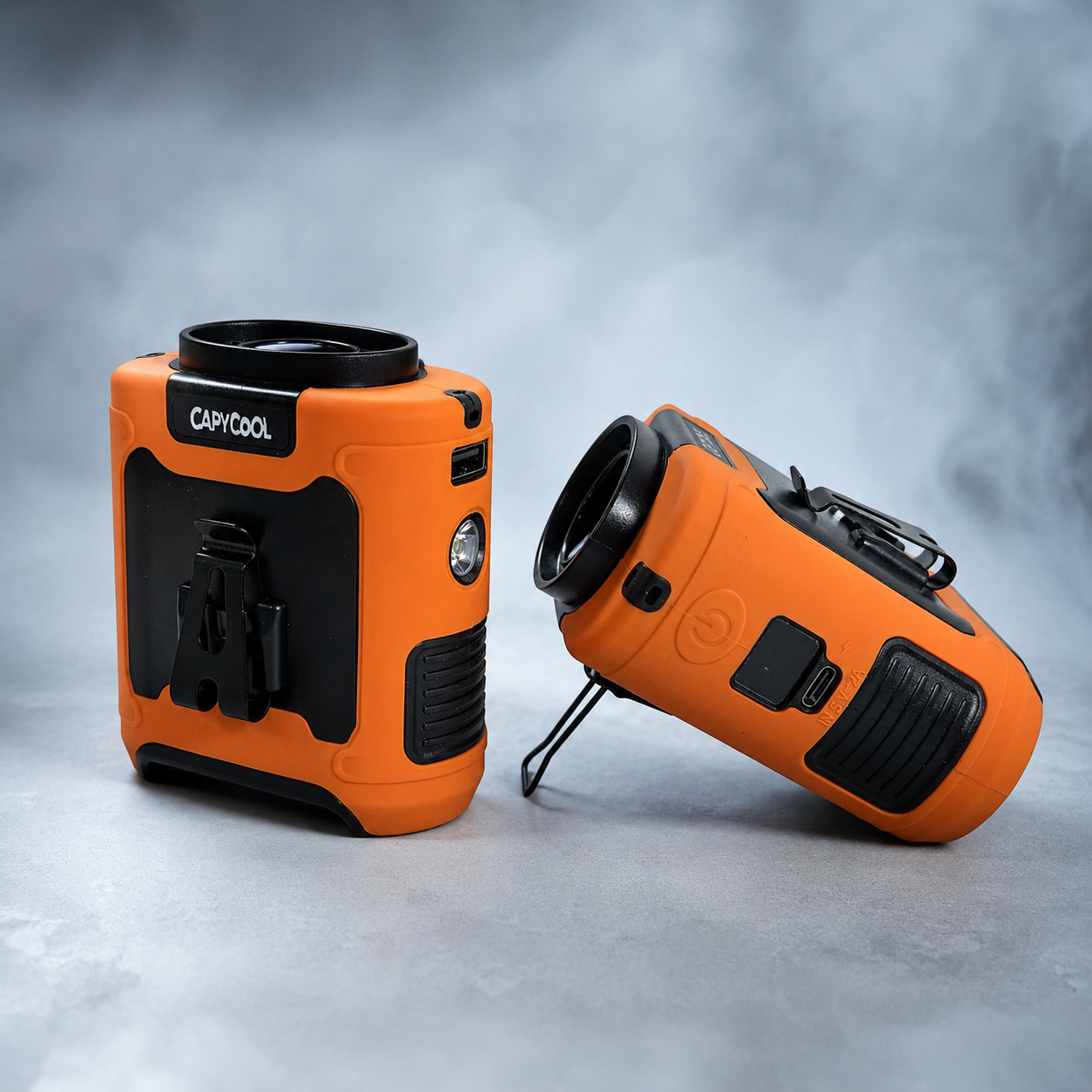
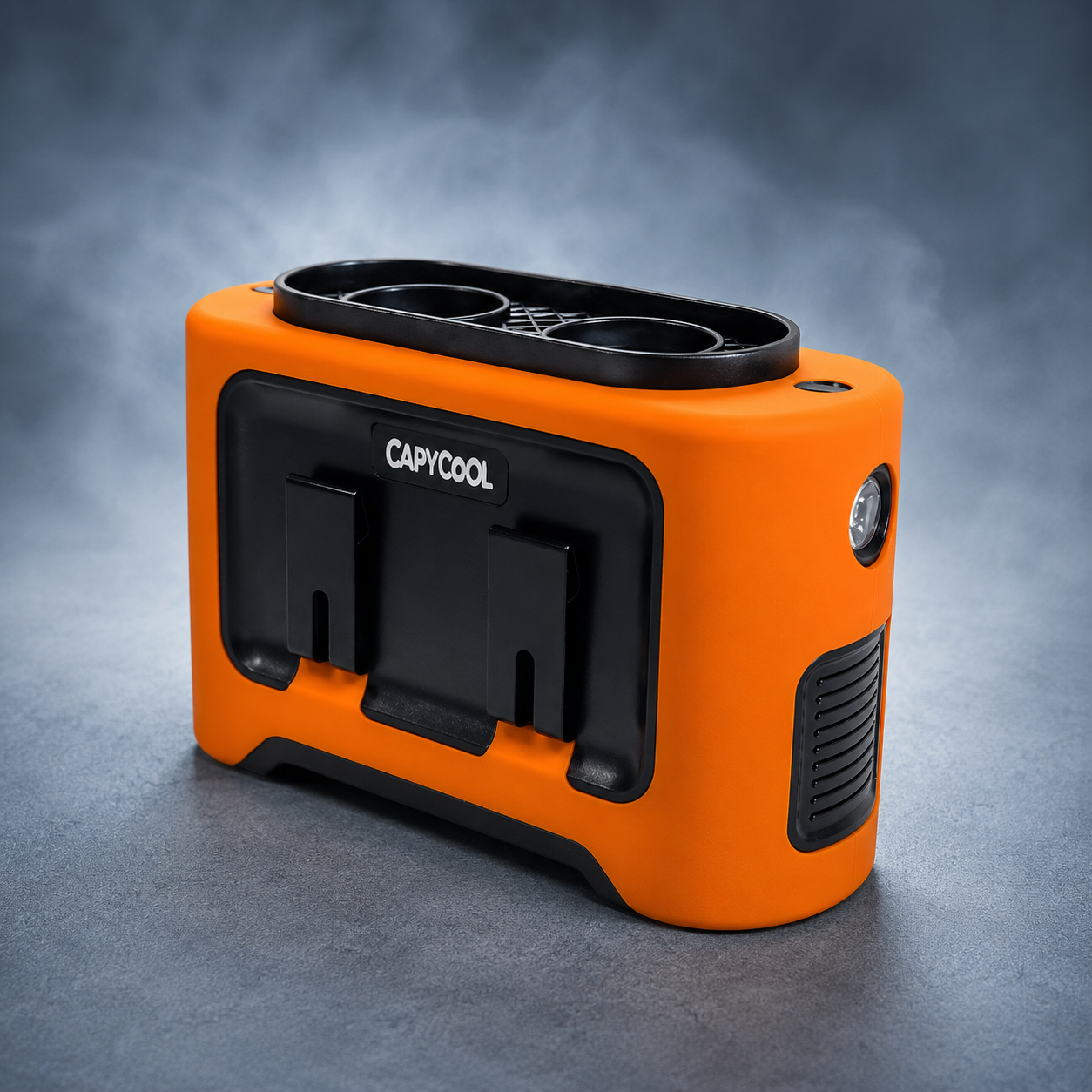
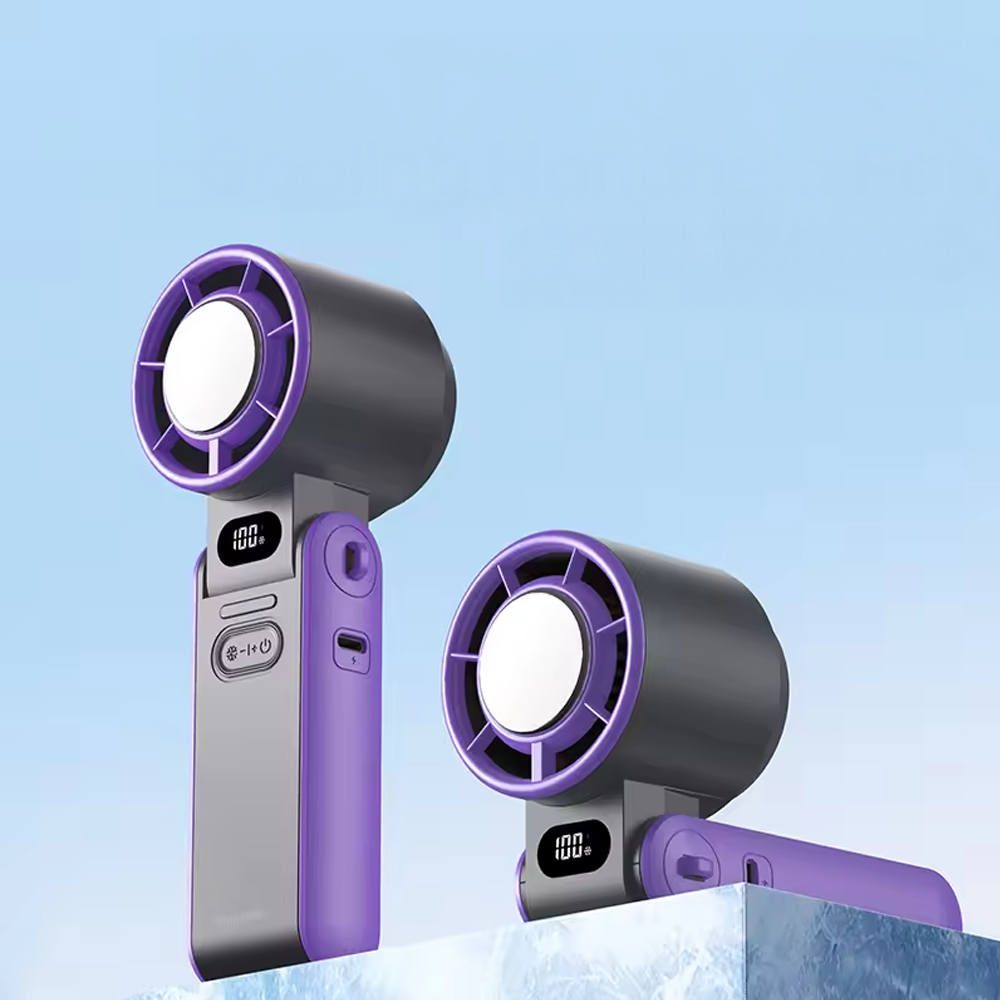
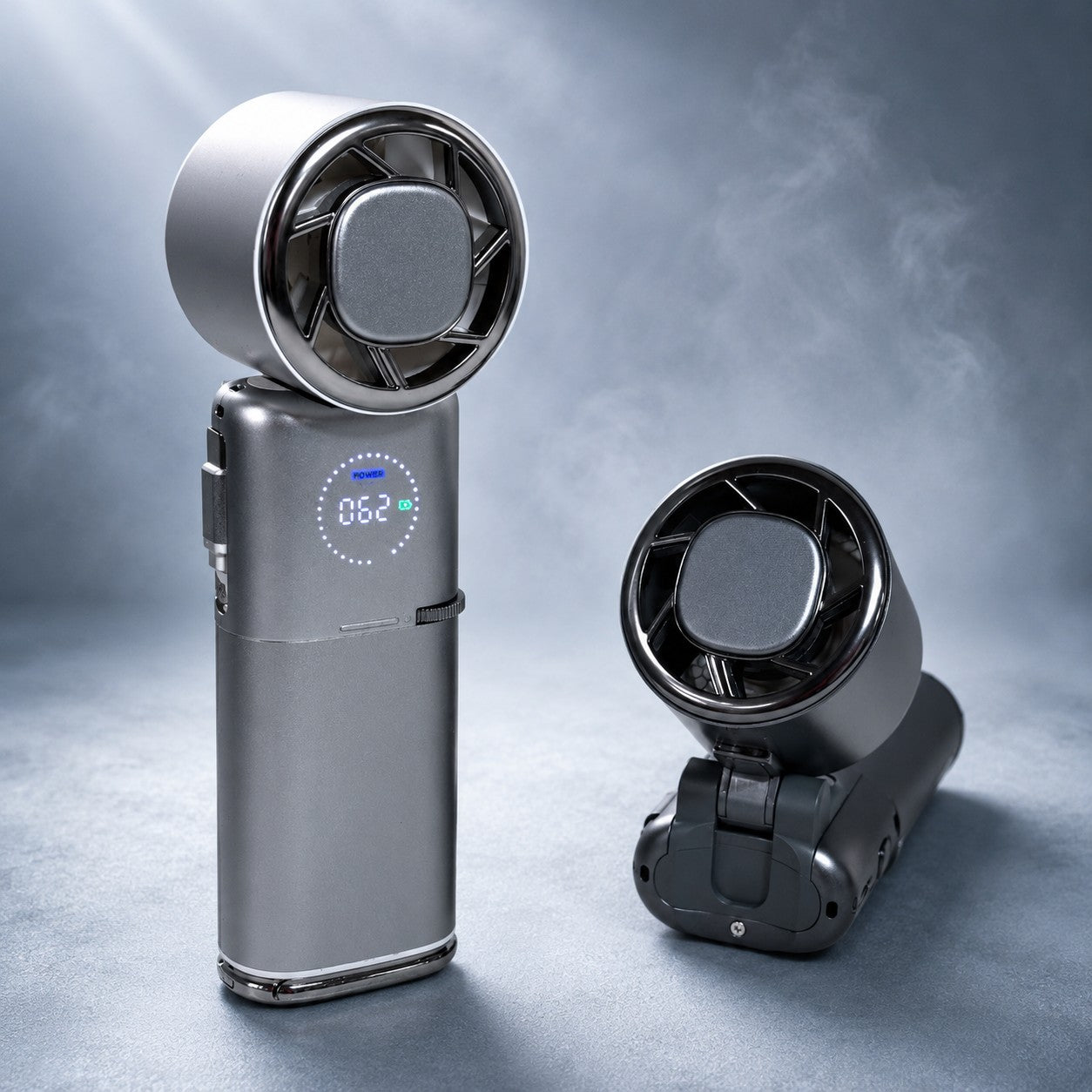
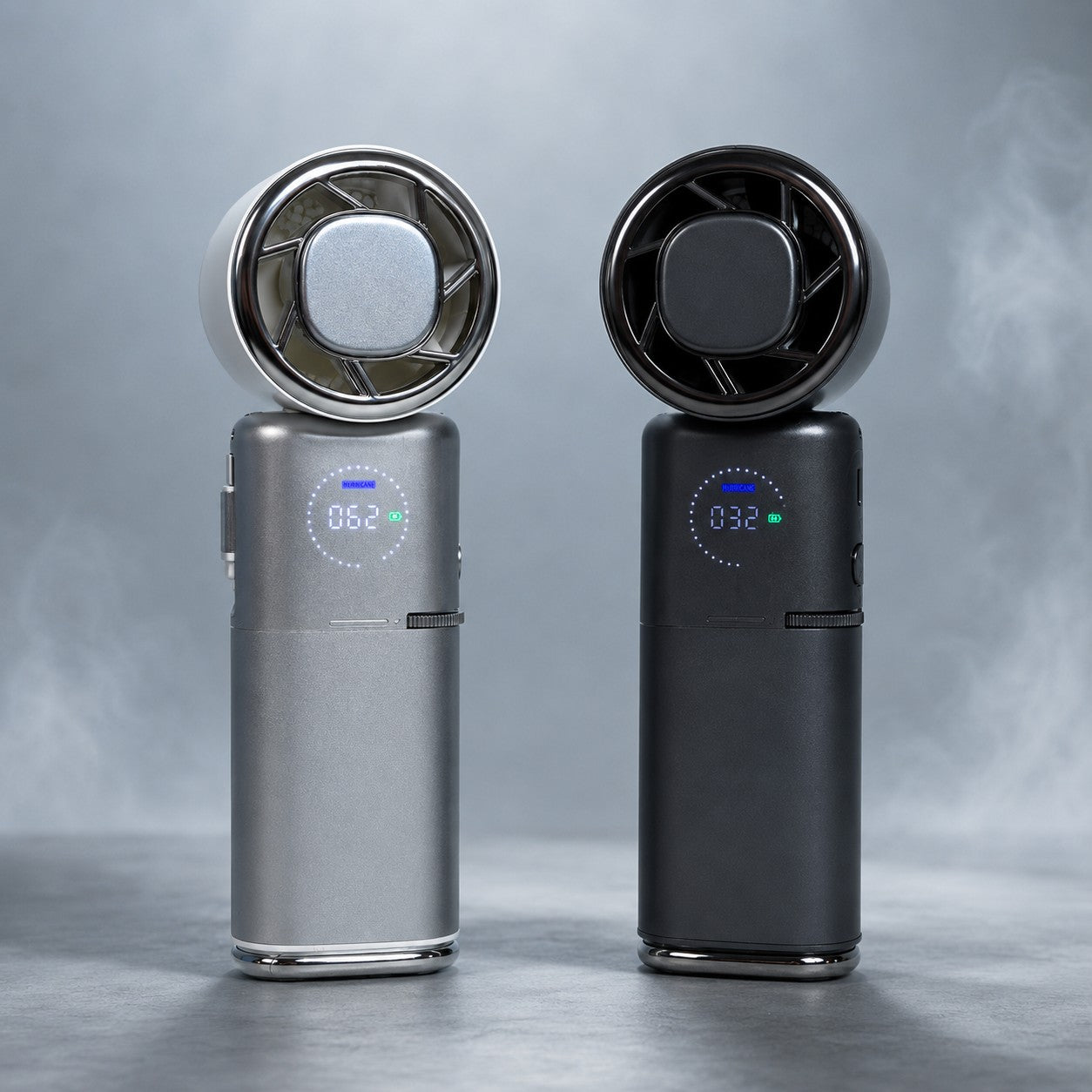
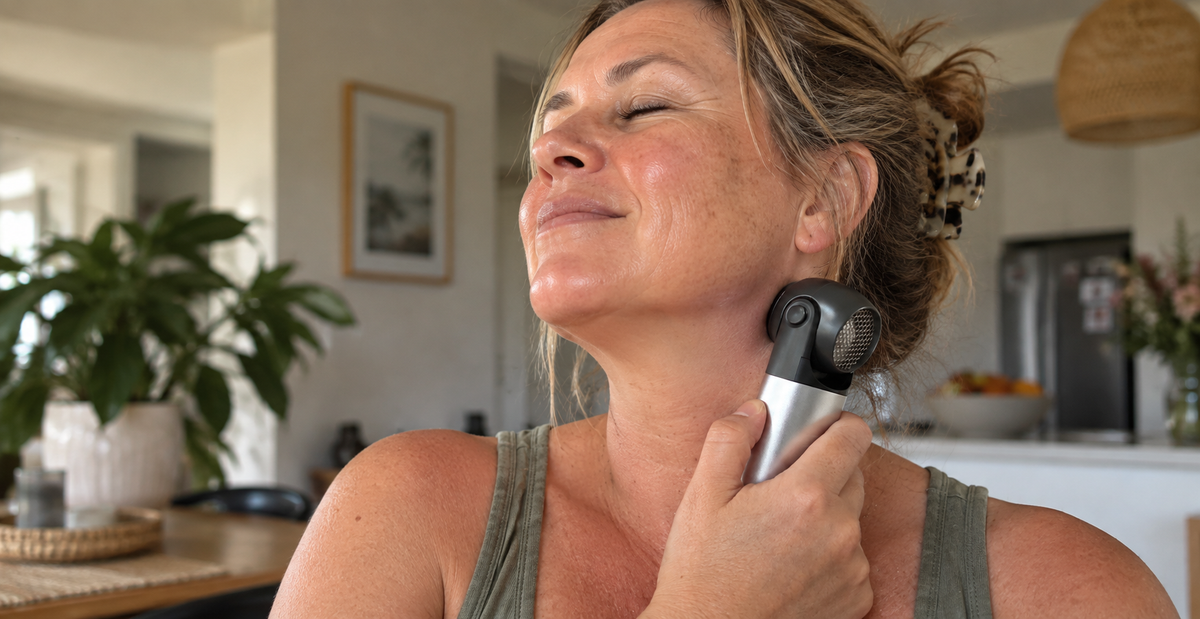
A personal fan can put moving air exactly where someone needs it, particularly when they're outside, moving between locations, working somewhere without fixed cooling or simply need more targeted airflow.
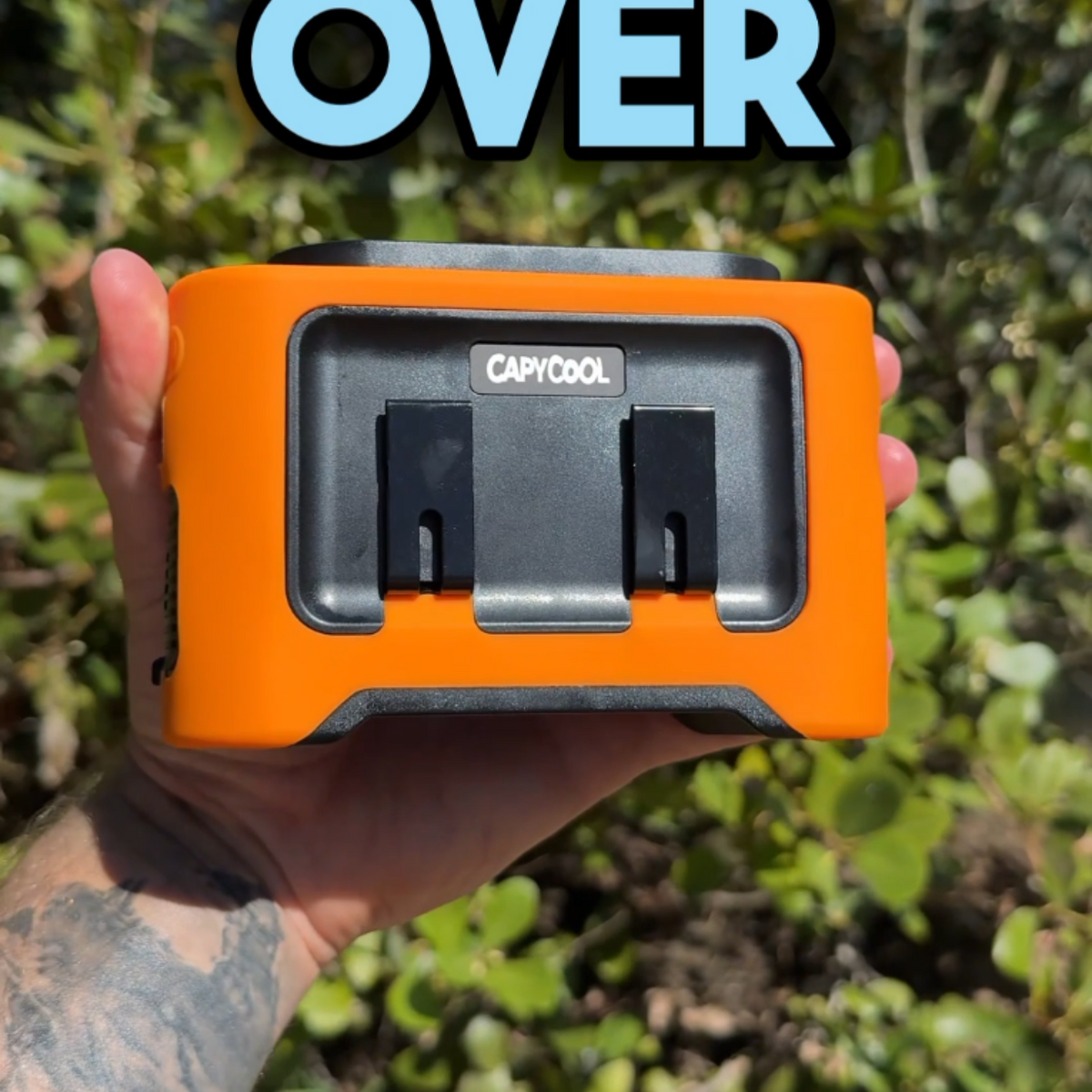
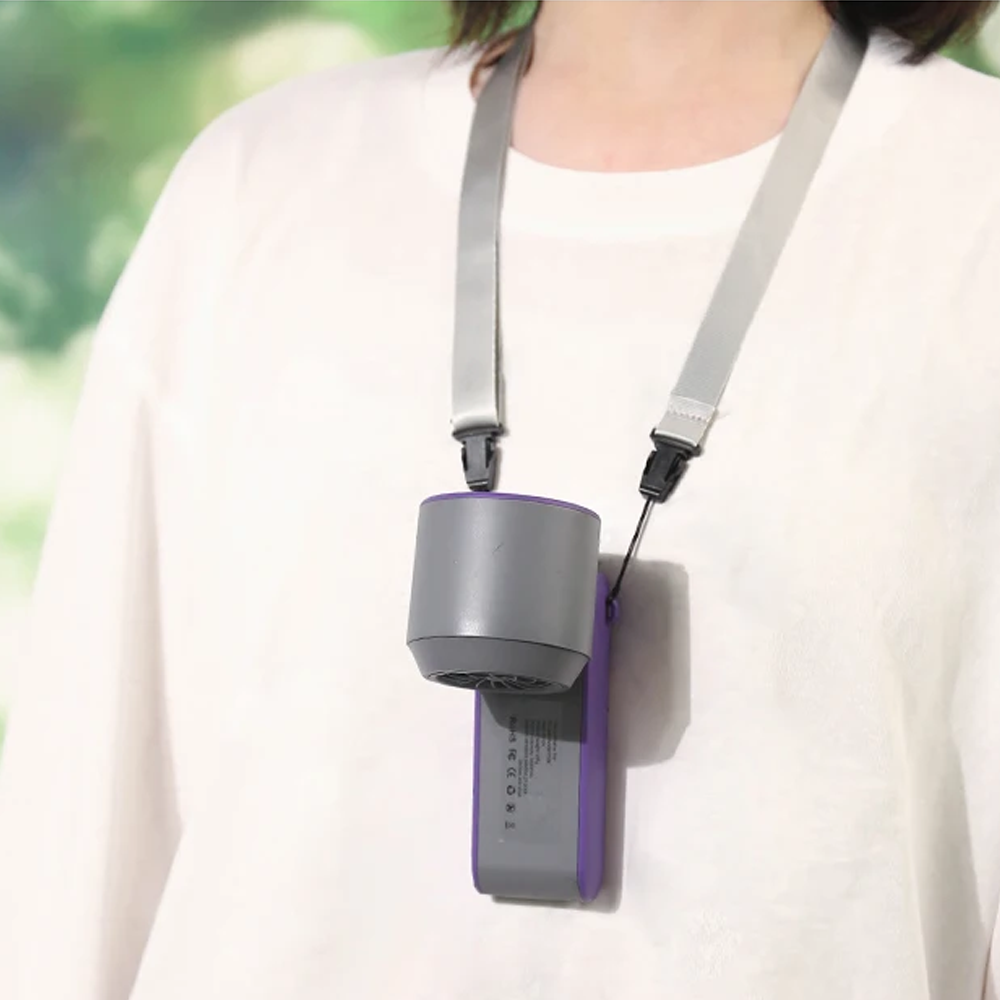
Different formats also suit different situations. Waist fans can provide hands-free airflow while moving around. Neck fans can target the face and upper body. Portable fans can work at desks, campsites, garages, workshops and other locations.
If you are looking for that type of solution, you can explore our portable fan range, fans built for workers and demanding environments or our broader cooling accessories.
But we also want to be very clear about something.
A fan is not air conditioning.
It does not lower the surrounding air temperature.
And there are conditions where relying on airflow alone is inappropriate.
Current CDC guidance says that indoors, fans should be used when indoor temperatures are below 90°F, approximately 32°C. Above that indoor temperature, the CDC advises using air conditioning or finding a location that has it.
Other research into fan use also shows that the interaction between temperature and humidity matters. Airflow can be particularly useful when it assists sweat evaporation, while extremely hot and dry conditions can require a different approach.
Think of portable airflow as one tool in a broader heat-management strategy, not permission to remain indefinitely in dangerous conditions.
6. Cool the body directly
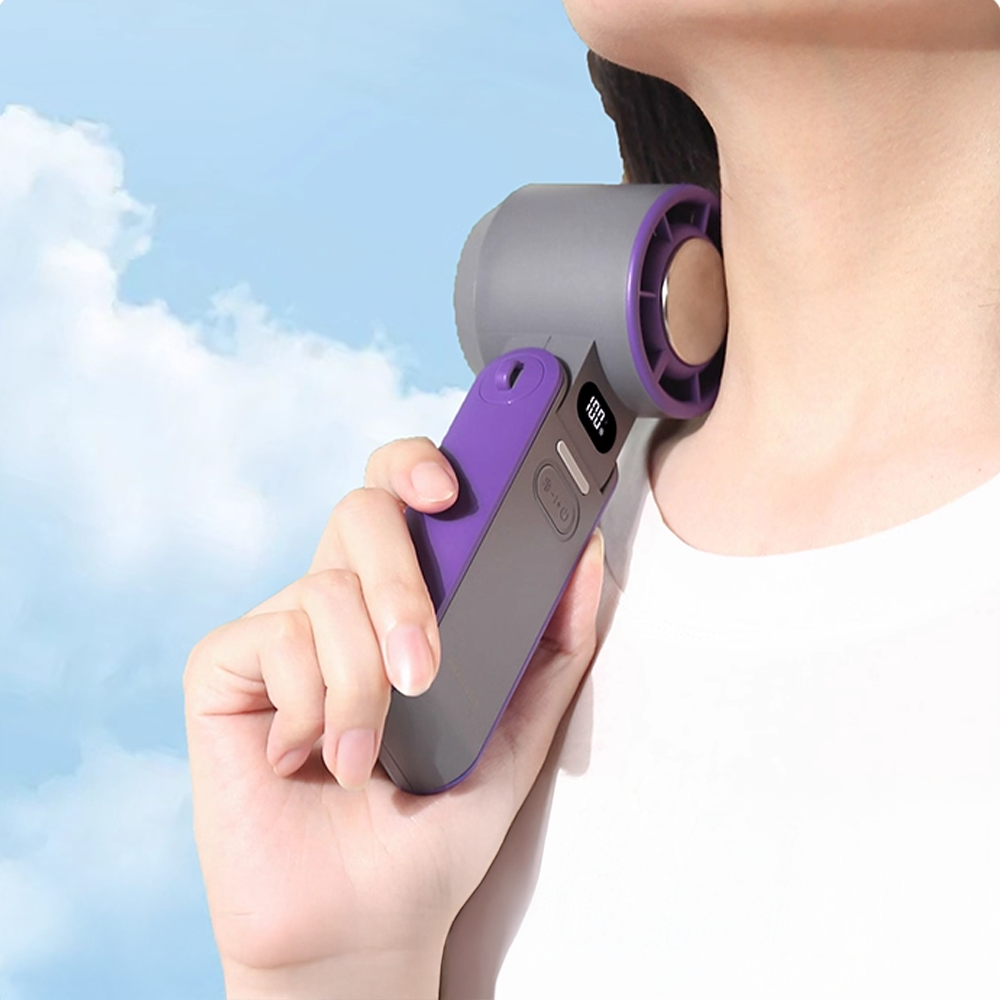
Cool showers, baths, damp cloths, water sprays and other forms of skin wetting can help remove heat from the body.
The CDC recommends cool showers or baths and damp cool cloths as practical cooling strategies.
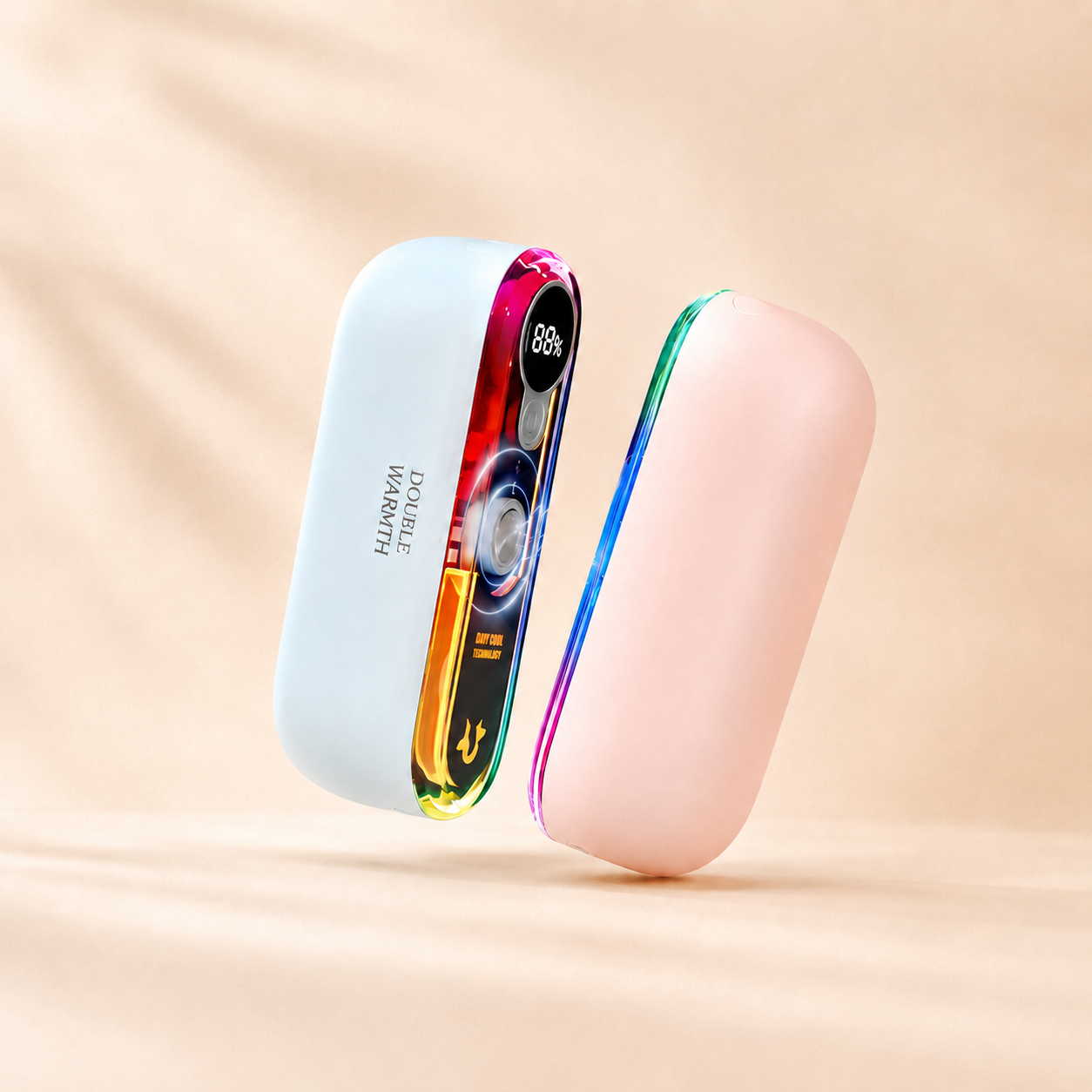
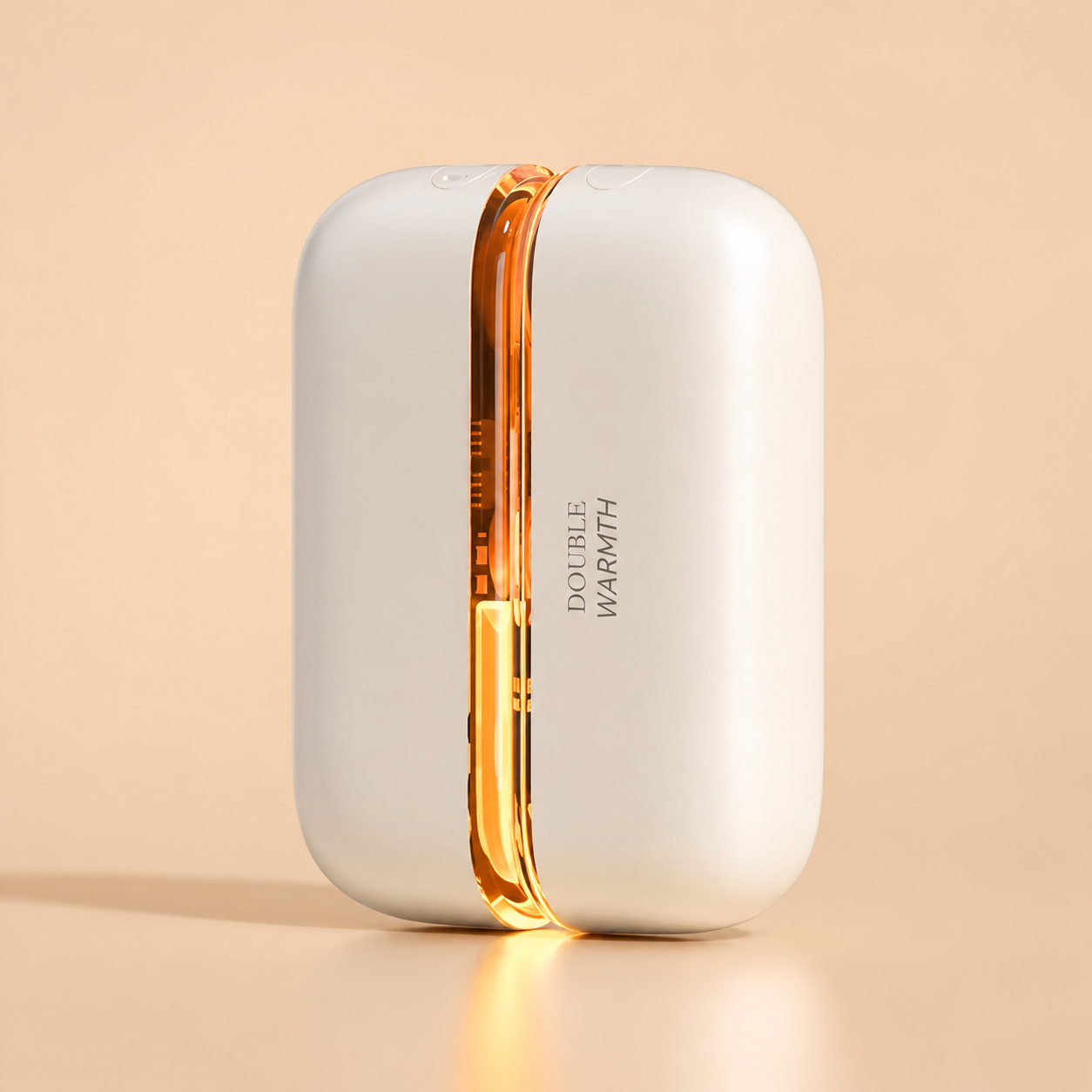
This principle is also why we are increasingly interested in developing cooling products beyond simply moving air.
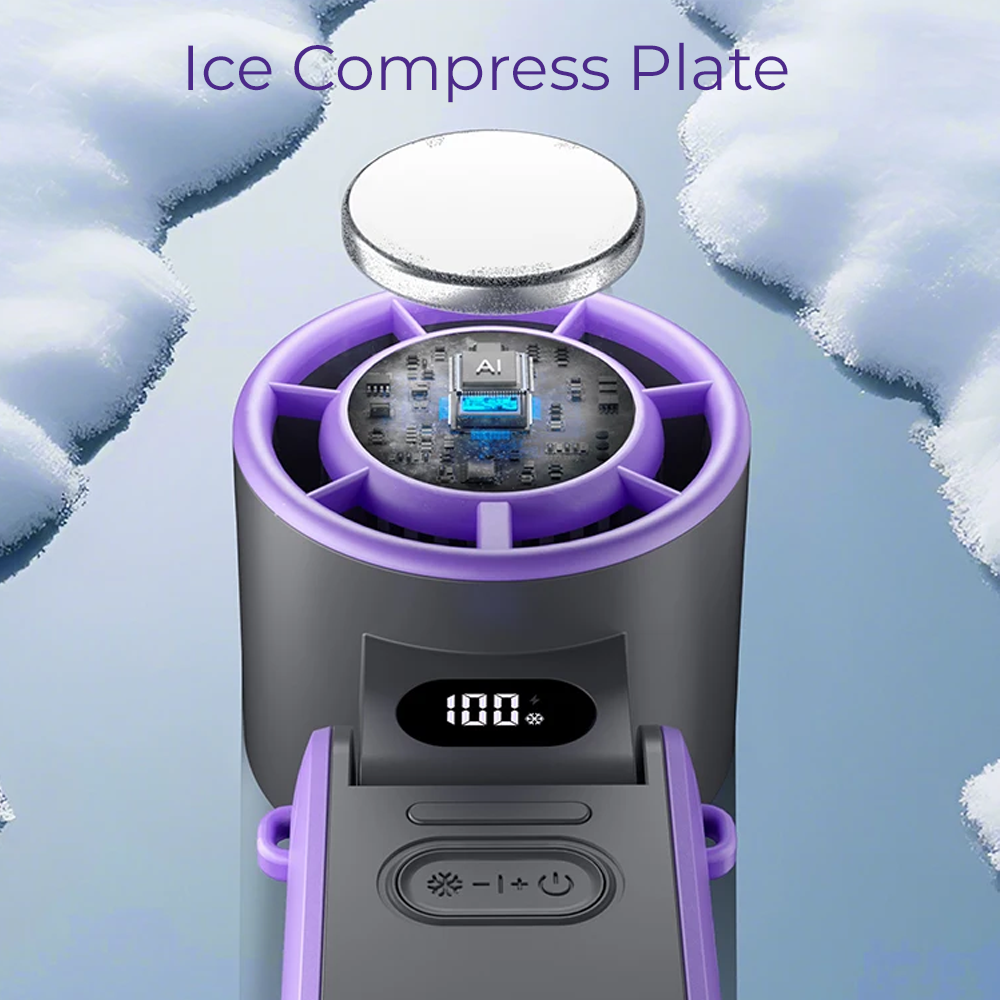
Sometimes better personal cooling comes from combining airflow with other mechanisms such as skin cooling or evaporative cooling.
7. Get somewhere genuinely cooler when conditions demand it
There is a point where making a hot environment slightly more comfortable is not enough.
When conditions become dangerous, air-conditioned spaces, designated cooling centres or another genuinely cooler environment can be much more important than simply increasing airflow.
Even a few hours in a cooler environment can reduce heat exposure.
8. Look out for other people
Possibly the simplest recommendation in this article.
Check on people.
Older relatives.
Neighbours living alone.
Workers.
Friends with chronic medical conditions.
People without reliable cooling at home.
Someone who seems confused, unusually exhausted or unwell during extreme heat.
The CDC specifically recommends checking on family, friends and neighbours, particularly people with chronic medical problems or those who live alone.
A message or phone call takes very little time.
Sometimes it matters.
Where CapyCool fits into this
CapyCool began with a pretty simple frustration.
We really hate being hot.
But the more time we have spent developing personal cooling products, talking to customers and seeing where those products actually get used, the more we have realised that heat is a much bigger problem than simply making summer slightly more comfortable.
We hear from tradies, warehouse workers, drivers, campers, travellers, parents, firefighters, athletes, people experiencing hot flushes and businesses trying to keep entire teams more comfortable.
Their needs are all different.
And no single product fixes every situation.
That understanding has increasingly shaped what we want CapyCool to become.
We want to build better tools for living, working, travelling and getting through demanding heat.
Sometimes that means developing a more powerful portable fan.
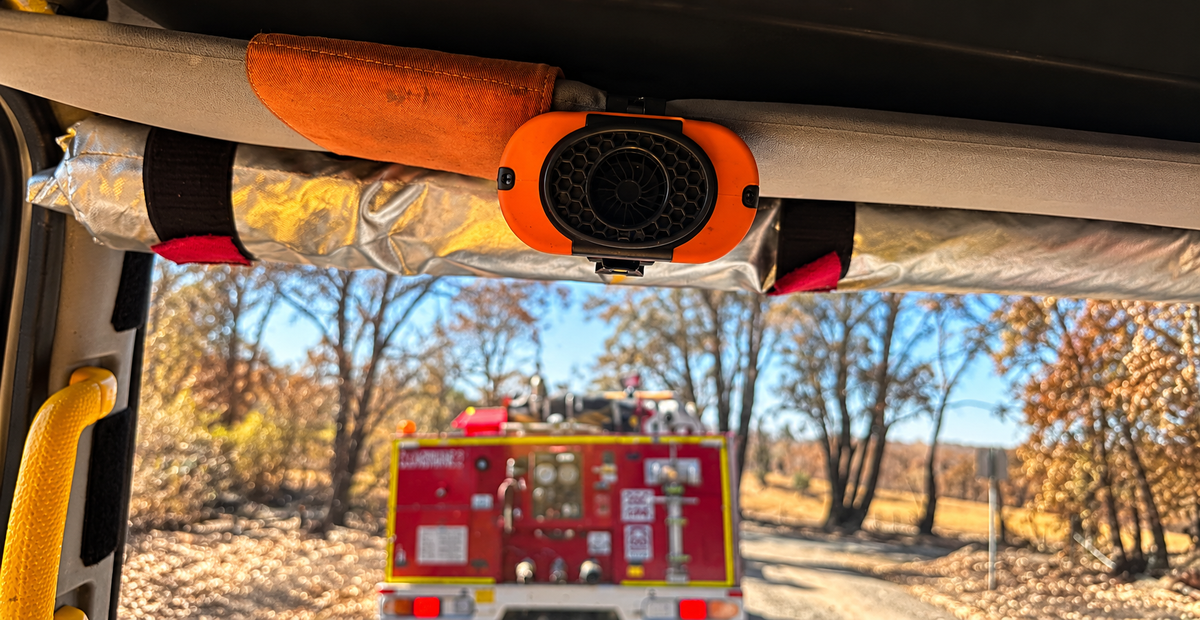
Sometimes it means finding a way to mount airflow inside a vehicle or workspace.
Sometimes it means combining airflow with a cooling plate or a cooling towel.
Sometimes it means improving batteries, motors, durability and thermal management so a product can handle longer and harder use.
Sometimes it means designing something completely new.
And sometimes the most useful thing we can do has nothing to do with selling a product.
It means publishing resources like our Australian summer guides.
Explaining the difference between humid and dry heat.
Sharing independent research.
Being honest about where fans are useful and where they aren't.
And pointing people towards official advice when conditions become dangerous.
We started in Australia.
We're now doing the same thing in the United States, supported by our new Arlington, Texas warehouse.
Different summers. Same question.
How do we help people deal with heat better?
That question is going to keep driving what we develop next.
Why NPR's investigation matters
There is something powerful about turning a problem that is easy to overlook into something measurable.
That is what NPR and the researchers at Boston University have worked to do.
Their investigation does not suggest that every heat-related death is easily preventable.
It does show why recognising the scale of heat's health impact matters.
Because problems that are underestimated can also be underprepared for.
Preparation matters for governments.
For workplaces.
For families.
For communities.
And for individuals.
The Northern Hemisphere's summer is drawing to a close.
Australia's is about to begin.
It is worth paying attention.
We encourage you to read NPR's original investigation and support the kind of journalism that makes difficult-to-see problems harder to ignore.
Then have a look at your own summer plan.
Hopefully you will never need the serious parts of it.
But that is exactly why you make one before the heat arrives.
Frequently asked questions about extreme heat, heat deaths and staying cool
How many people die from heat each year in the United States?
Official US records identified an average of roughly 1,700 heat-related deaths per year between 2018 and 2025. However, NPR and Boston University's statistical analysis estimates that heat influenced approximately 9,000 deaths annually on average over that period, around five times the official figure.
Does NPR's estimate mean 9,000 Americans die from heatstroke every year?
No. NPR's estimate refers to deaths influenced or attributable to heat, not only deaths clinically diagnosed and recorded as heatstroke. Heat can worsen cardiovascular disease, respiratory disease and other existing health problems. In those cases, the immediate medical cause may appear on a death certificate while heat's contribution does not.
Why are heat-related deaths difficult to count?
Unlike some injuries or diseases, heat may not leave a clear physical marker showing that it contributed to a death. Medical professionals may also be dealing with several possible contributing factors, particularly when a person had an existing health condition. Reporting practices and investigation procedures can also vary between jurisdictions.
Why did NPR use a statistical model instead of only death certificates?
Death certificates capture cases where heat has been recognised and recorded, but they can miss deaths where heat was an important contributing factor. Statistical studies can compare temperature patterns with changes in all-cause mortality to estimate the broader number of deaths associated with unusually hot conditions.
Is NPR's 9,000 figure exact?
No. It is a statistical estimate rather than a direct count of 9,000 individually identified deaths. NPR and Boston University analysed mortality and temperature data across hundreds of US counties and modelled heat's contribution. NPR also notes limitations in the available data and says the true impact could be higher. The estimate should therefore be understood as evidence of the likely scale of undercounting rather than an exact national death register.
Are heat-related deaths undercounted in Australia?
Research suggests they can be. A 2025 Australian paper comparing different approaches found that estimates based on excess mortality were generally substantially higher than studies relying on individual death records. The researchers also stress that excess-mortality estimates vary depending on methodology, geography, data and the reference temperature used.
How many Australians die because of heat each year?
There is no single universally accepted annual figure for all heat-attributable deaths in Australia. Directly recorded heat deaths and statistical estimates of deaths attributable to temperature can produce very different numbers. This is exactly why researchers have called for greater scrutiny of how heat mortality is measured.
Are heatwaves really Australia's most dangerous natural hazard?
In terms of directly attributable loss of life, the Australian Institute of Health and Welfare describes heatwaves as historically Australia's most dangerous natural hazard. AIHW also found extreme heat accounted for 78% of extreme-weather-related injury hospitalisations during the decade examined in its major extreme-weather report.
What counts as a heatwave in Australia?
The Bureau of Meteorology defines a heatwave as three or more days where both daytime and night-time temperatures are unusually high for a particular location. Heatwave severity depends partly on how hot conditions are relative to what that community is accustomed to, not simply whether a fixed national temperature has been reached.
Why do hot nights matter during a heatwave?
Warm nights reduce the opportunity for people, buildings and workplaces to lose accumulated heat. They can also affect sleep and recovery. Safe Work Australia notes that warmer nights during heatwaves can reduce sleep quality and contribute to fatigue, which may affect workers' ability to perform tasks safely.
Who is most vulnerable to extreme heat?
Anyone can become unwell in extreme heat, but risk can be higher for older adults, young children, pregnant people, people with certain chronic health conditions, people taking medications that affect temperature regulation, outdoor workers, athletes and people without reliable access to cooler environments or air conditioning.
Can healthy people get heat illness?
Yes. Being young or generally healthy does not make someone immune to heat illness. Long periods of exposure, intense physical activity, dehydration, heavy clothing or PPE, direct sunlight and lack of acclimatisation can all increase risk.
What are common signs of heat-related illness?
Possible signs include dizziness, weakness, headache, nausea, heavy sweating, muscle cramps, fainting and unusual fatigue. Symptoms can progress and become life-threatening.
What are signs of heat stroke?
Heat stroke is a medical emergency. Warning signs can include confusion, altered behaviour, collapse or loss of consciousness alongside severe heat exposure. If you suspect heat stroke or someone is seriously unwell, seek emergency medical assistance immediately. In Australia call 000. In the United States call 911.
Is there a temperature where Australian workers must automatically stop work?
There is no universal stop-work temperature under Safe Work Australia's guidance. Heat risk depends on factors including humidity, airflow, the intensity and duration of work, clothing, direct sun and worker acclimatisation. Businesses still have an obligation to eliminate or minimise health and safety risks so far as reasonably practicable.
Can indoor workers suffer from heat stress?
Yes. Heat illness is not limited to outdoor work. Commercial kitchens, warehouses, laundries, workshops, roof spaces and other environments can become hazardous because of high temperatures, radiant heat, humidity, poor ventilation or heat-generating equipment.
How can workplaces reduce heat risk?
Safe Work Australia recommends using the normal risk-management process: identify heat hazards, assess the risk, eliminate hazards where possible and introduce effective controls. Depending on the workplace, controls may include rescheduling work, reducing physical effort, creating shade, improving ventilation, providing cooler areas, supplying cool drinking water and giving workers appropriate opportunities to rest and self-pace.
Do portable fans help in hot weather?
Portable fans can provide targeted airflow and improve comfort in appropriate conditions. Moving air across the skin can assist sweat evaporation and can be particularly useful where fixed cooling is unavailable or when someone needs portable, hands-free airflow. However, fans do not reduce the surrounding air temperature and should be considered one part of a broader heat-management strategy.
Can a fan prevent heat stroke?
A fan should not be treated as a device that prevents heat stroke. It can provide airflow and comfort in appropriate conditions, but severe heat requires a broader response that may include hydration, rest, shade, skin cooling and access to an air-conditioned or genuinely cooler environment.
When is it too hot to rely on a fan?
There is no single outdoor temperature that applies to every climate because humidity, sunlight, airflow and physical activity matter. For indoor conditions, current CDC guidance says to use fans when indoor temperatures are below 90°F, approximately 32°C. Above 90°F indoors, the CDC advises using air conditioning or finding a location that has it.
Why does humidity change how useful a fan feels?
Your body relies heavily on the evaporation of sweat to lose heat. Moving air can support evaporation, but humidity affects how easily sweat evaporates. This is one reason the same fan can feel very different in humid coastal conditions compared with extremely hot, dry inland conditions.
Is dry heat safer than humid heat?
Not necessarily. Humidity can make it harder for sweat to evaporate, while extremely hot dry air can expose the body to very high environmental temperatures and increase dehydration. Different combinations of temperature, humidity, sun, airflow and activity create different types of heat stress. Neither "dry heat" nor "humid heat" should automatically be considered safe.
Is air conditioning better than a fan during extreme heat?
When temperatures become extreme, access to a genuinely cooler or air-conditioned environment can be much more important. A fan moves existing air. Air conditioning lowers indoor air temperature. During dangerous heat, official health guidance should take priority over comfort strategies.
What can I do if I do not have air conditioning?
Official recommendations include staying hydrated, using cool showers or baths, applying cool damp cloths, limiting activities during the hottest part of the day, using shade and identifying cooler public or community locations where available. Do not rely solely on a fan during dangerously hot indoor conditions.
Will Australia have a hot summer in 2026-27?
Current climate signals favour warmer conditions, but it is too early to predict individual heatwaves or exact local temperatures months in advance. The Bureau of Meteorology's current outlook favours above-average daytime temperatures across much of Australia and above-average night-time temperatures across most of the country. El Niño is also expected to persist into summer.
Does El Niño guarantee an extreme Australian summer?
No. El Niño changes the probability of particular weather patterns but does not determine the weather in every Australian location. Other climate drivers, ocean temperatures, local weather systems and short-term conditions all influence what actually happens. A strong El Niño also does not automatically mean impacts will be proportionally stronger everywhere.
Where can I see the 2026-27 summer outlook for my part of Australia?
Our interactive Australia Summer 2026-27 guide lets you select your state and nearest region for a local overview of expected temperature, rainfall, warmer nights, heat type and major seasonal conditions to watch.
What should Australians do now to prepare for summer?
Check your air conditioning, fans and other cooling equipment before the first heatwave. Think about which rooms remain coolest, how you will manage hot nights, whether vulnerable relatives or neighbours may need assistance and how outdoor work or exercise can be adjusted during dangerous conditions. Keep an eye on Bureau of Meteorology forecasts as summer approaches.
What should US readers do during extreme heat?
Follow National Weather Service and local heat warnings, use CDC HeatRisk guidance, stay hydrated, reduce strenuous activity during the hottest periods, use air conditioning or cooling centres where appropriate and check on people who may be vulnerable or living alone.
Does CapyCool claim its products prevent heat illness?
No. CapyCool products are personal cooling and comfort products. Portable fans, cooling towels and similar products can form one part of a broader strategy for dealing with heat, but they do not replace appropriate workplace controls, official heat warnings, hydration, shade, rest, air conditioning or medical advice.
What type of CapyCool product is best for working in the heat?
The right product depends on the situation. Waist fans can provide hands-free personal airflow while moving around. Portable fans suit desks, vehicles, workshops and general use. Neck fans can provide hands-free airflow around the face and neck. Cooling towels offer another portable cooling option. Workers should always use personal cooling alongside, not instead of, proper workplace heat controls.
Where can I learn more about Australian summer conditions?
Start with our complete Australia Summer 2026-27 Guide. It covers El Niño, expected temperatures, rainfall, warm nights, regional conditions, bushfire considerations, humid versus dry heat and the current science around personal cooling.
Where should I get official heat-safety information?
In Australia, refer to the Bureau of Meteorology, your state or territory health authority, emergency services and Safe Work Australia for workplace guidance.
In the United States, refer to the CDC Heat & Health resources, National Weather Service and your local health and emergency authorities.
Sources and further reading
- NPR: Heat death toll investigation and tracker
- The Lancet Regional Health - Western Pacific: Underestimating heat-related mortality in Australia
- Australian Institute of Health and Welfare: Extreme weather-related injuries in Australia
- Bureau of Meteorology: Australian long-range forecasts
- Bureau of Meteorology: Heatwave forecasts and warnings
- Safe Work Australia: Working in heat FAQ
- US Centers for Disease Control and Prevention: Heat and your health
- CapyCool: Australia Summer 2026-27 Guide
- CapyCool: Interactive Australia Summer 2026-27 State-by-State Guide
Important: This article is intended as general information and is not medical advice. Heat-related illness can become serious or life-threatening. During extreme heat, follow official weather warnings, workplace procedures and health advice for your location. If someone appears seriously unwell or you suspect heat stroke, seek emergency medical assistance immediately.









Share:
What Australia Can Learn From Europe and America’s Brutal 2026 Heatwaves
Why Aussie Tradies Love Capycool Shirt Fans