



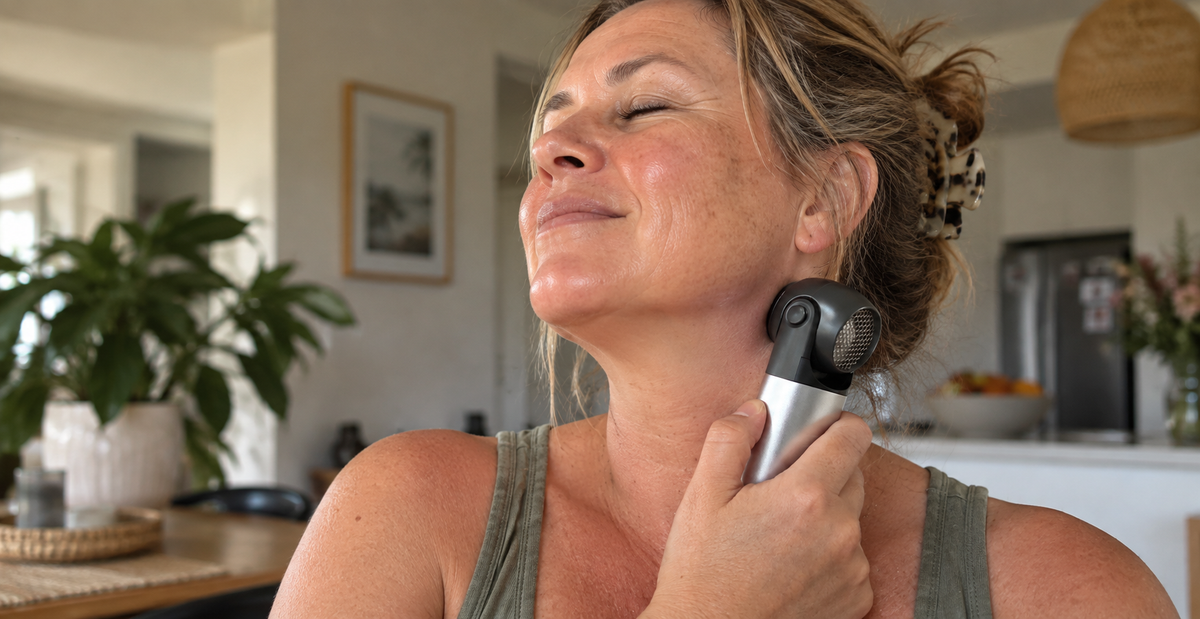
Stand in front of an open fridge at 2am and you already have your answer. Moving cool air across hot skin feels good. The more useful questions are why a flush hits so fast, what a fan can and can't do about it, and how to use one so you get the most out of it.
Around three in four women get hot flushes or night sweats around menopause, and for most of them the symptoms hang around for years, not months. That's a long time to be caught out in a meeting, a school pick-up line or a warm bedroom with nothing to reach for. A fan is the cheapest, safest tool in the kit. Here's what it does, what it doesn't, and how to use it well.
Why do hot flushes make you feel so hot so fast?
A hot flush is your body over-correcting. Falling oestrogen narrows the "thermoneutral zone", the small band of core temperature your brain is happy to leave alone. In one small study, that band was about 0.4°C wide in women without hot flushes and effectively absent in women who had them. So a tiny rise in core temperature, the kind you'd never notice from a hot drink or a warm room, trips the alarm. Your brain reads it as overheating and throws everything at cooling you down at once: blood rushes to the skin, you sweat, your heart rate climbs.
That's the flush. It's a heat-loss response that's too big and too fast for the situation. Which is exactly why it looks and feels like you've just run up a flight of stairs when all you did was sit down.
Two things follow from this. First, small temperature rises are the trigger, so keeping your baseline a touch cooler gives you more headroom before the alarm goes off. Second, once a flush starts, your body is trying to shed heat. Airflow across the skin can make that stretch feel more manageable while it passes.
Do fans help with hot flushes?
Yes, a fan can help you feel cooler during a hot flush by moving air across your skin and helping sweat evaporate. It doesn't treat the hormonal cause, and there's no good evidence it reduces how often flushes happen.
Moving air does two useful things. It pulls heat off your skin by convection, and it speeds up sweat evaporation, which is your body's main cooling mechanism. Your body is already sweating during a flush. A fan just lets that sweat do its job instead of sitting on your skin. Some women find the heat feels less intense and the clammy feeling clears sooner.
There is no clinical trial evidence for fans as a cooling strategy in menopause, and the Australasian Menopause Society says so plainly. Even so, the AMS, Healthdirect and the Royal Women's Hospital all recommend them: keep a personal fan in your bag, dress in layers, and use a bedroom fan at night. The evidence gap is about measuring a comfort effect, not doubt that it exists.
Think of a fan the way you'd think of an ice pack for a sore knee. It doesn't fix the joint. It makes the next 20 minutes a lot more comfortable, and that's the whole point.
Handheld, neck or bedside: which fan for which moment?
The best fan is the one that's actually with you when the flush starts, which rules out the big pedestal fan at home for most of the day. The useful way to think about it is by situation rather than by spec sheet.
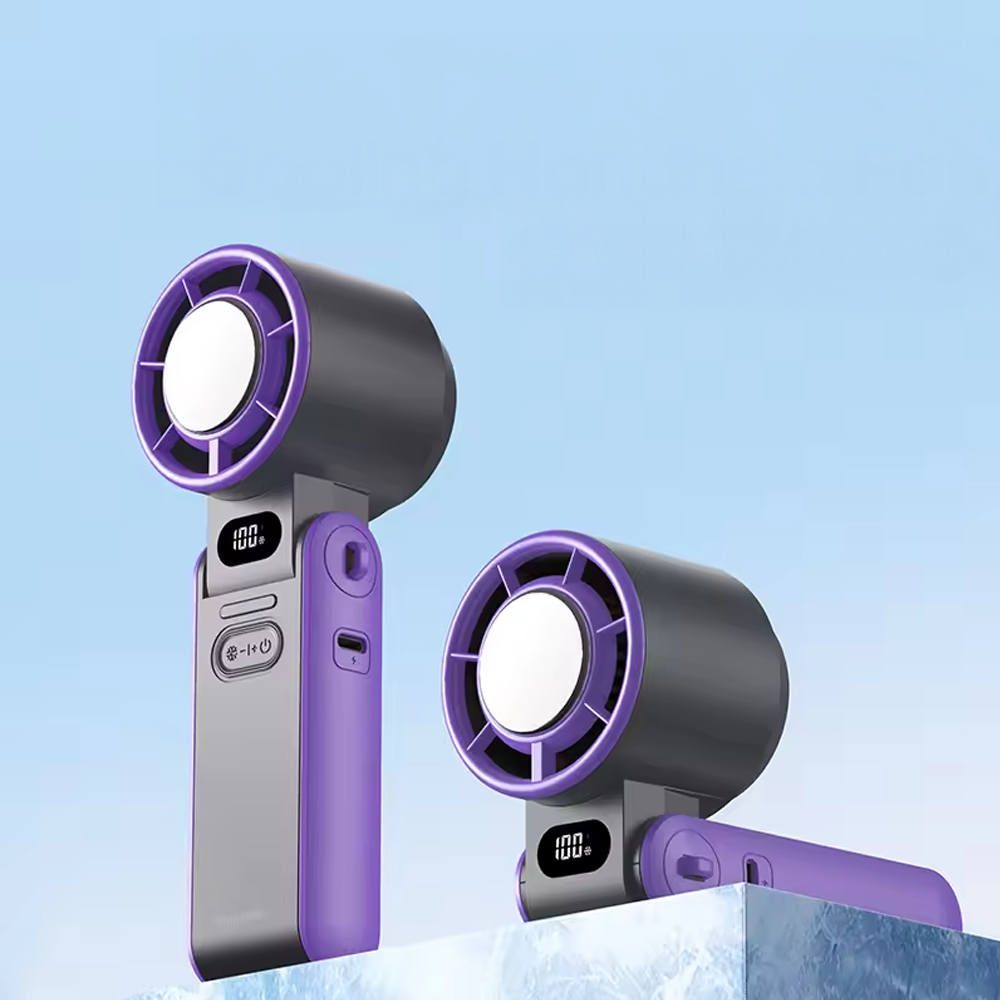
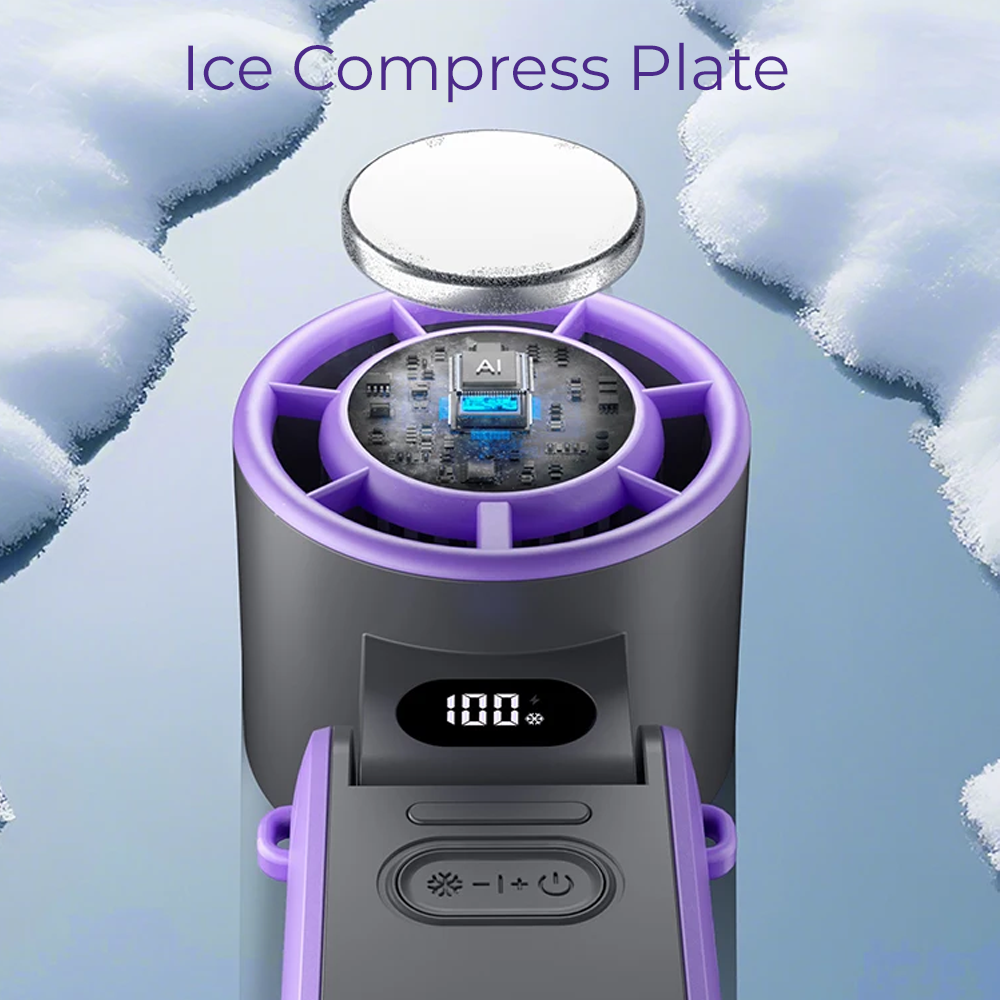
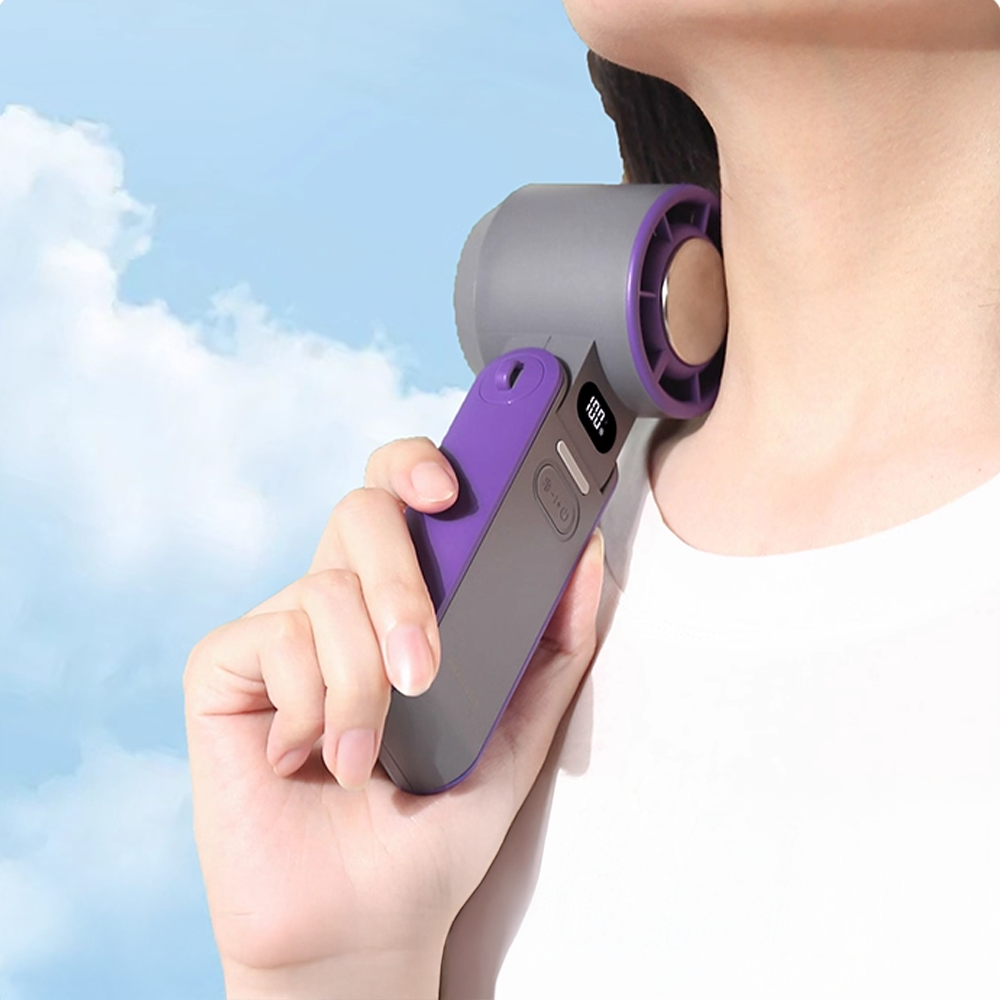
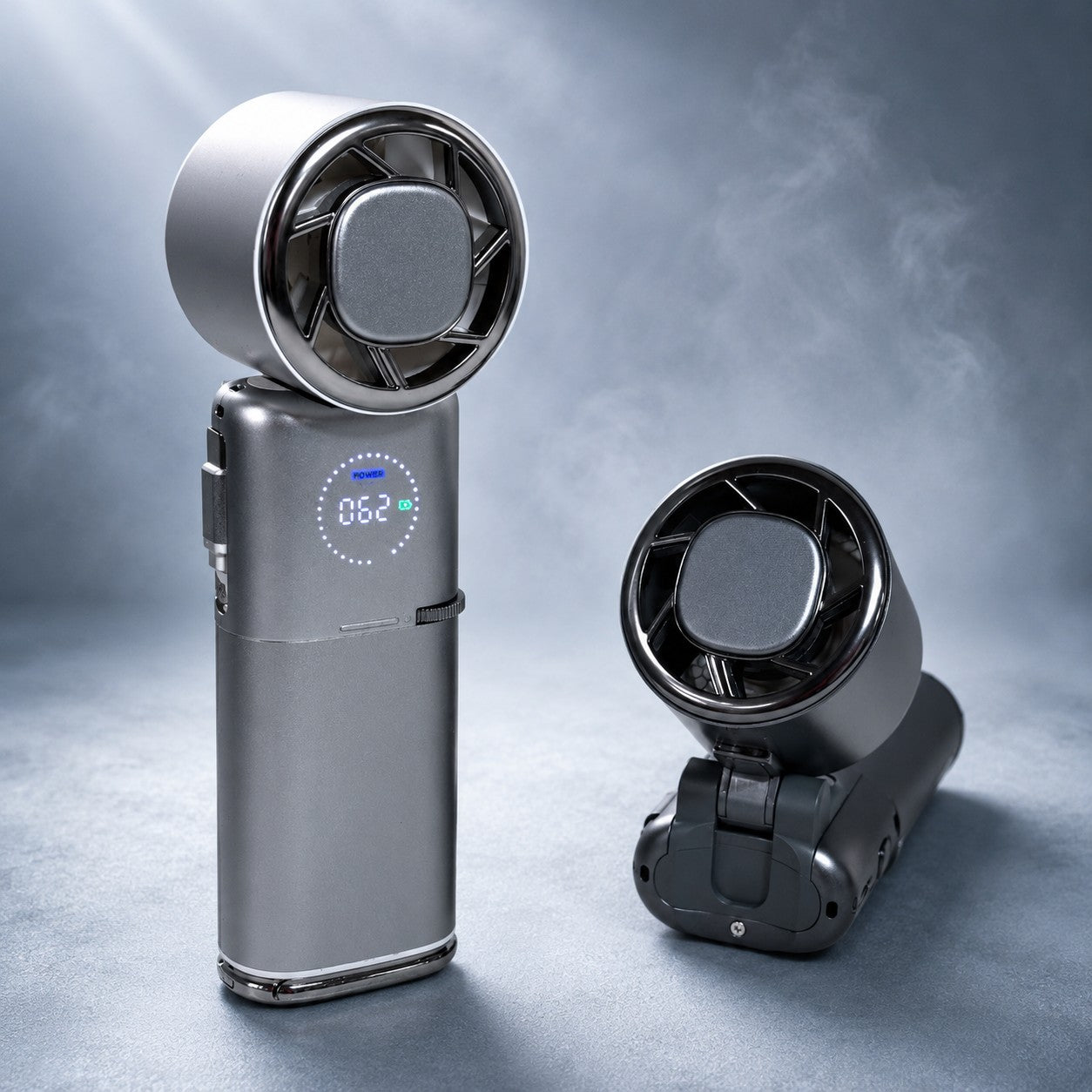
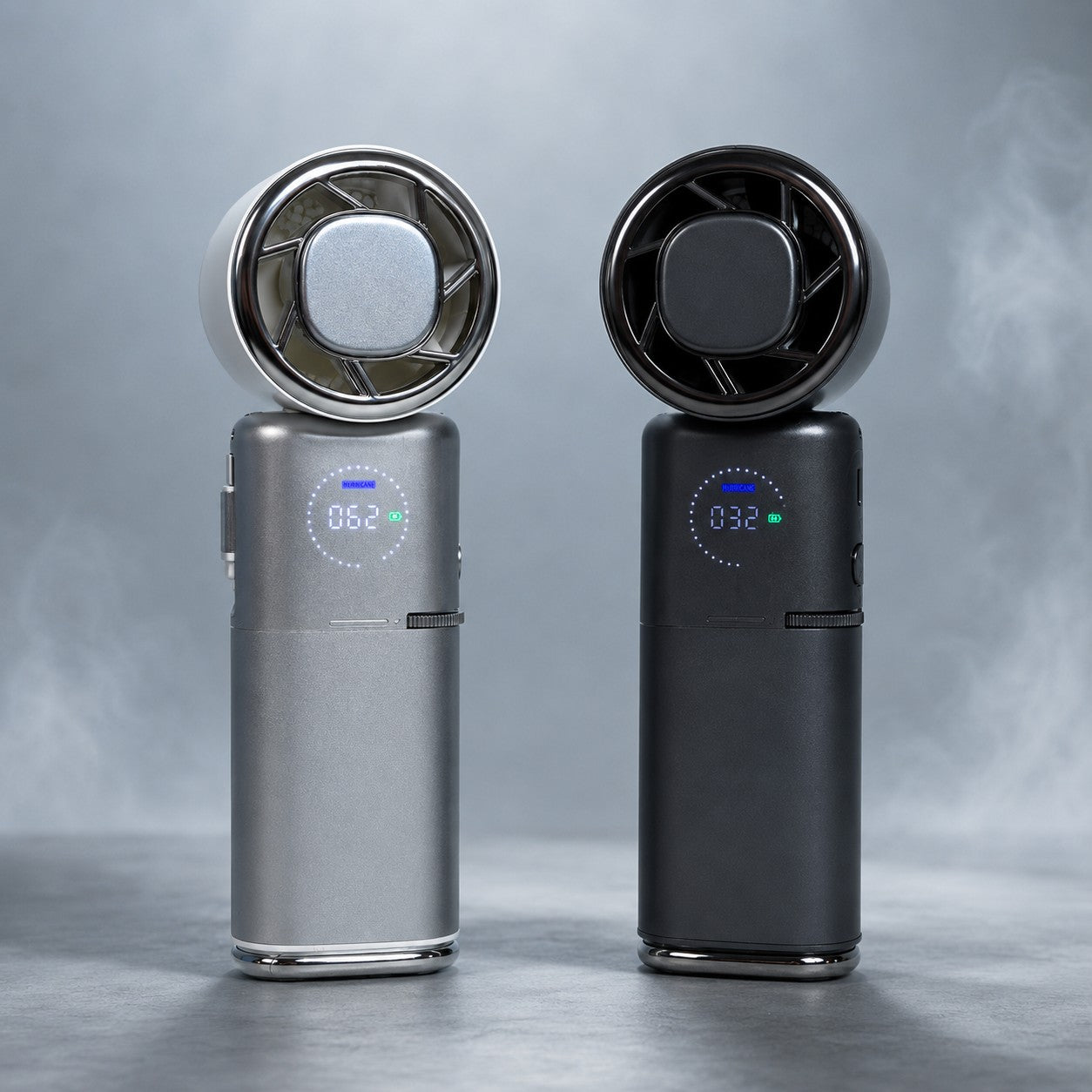
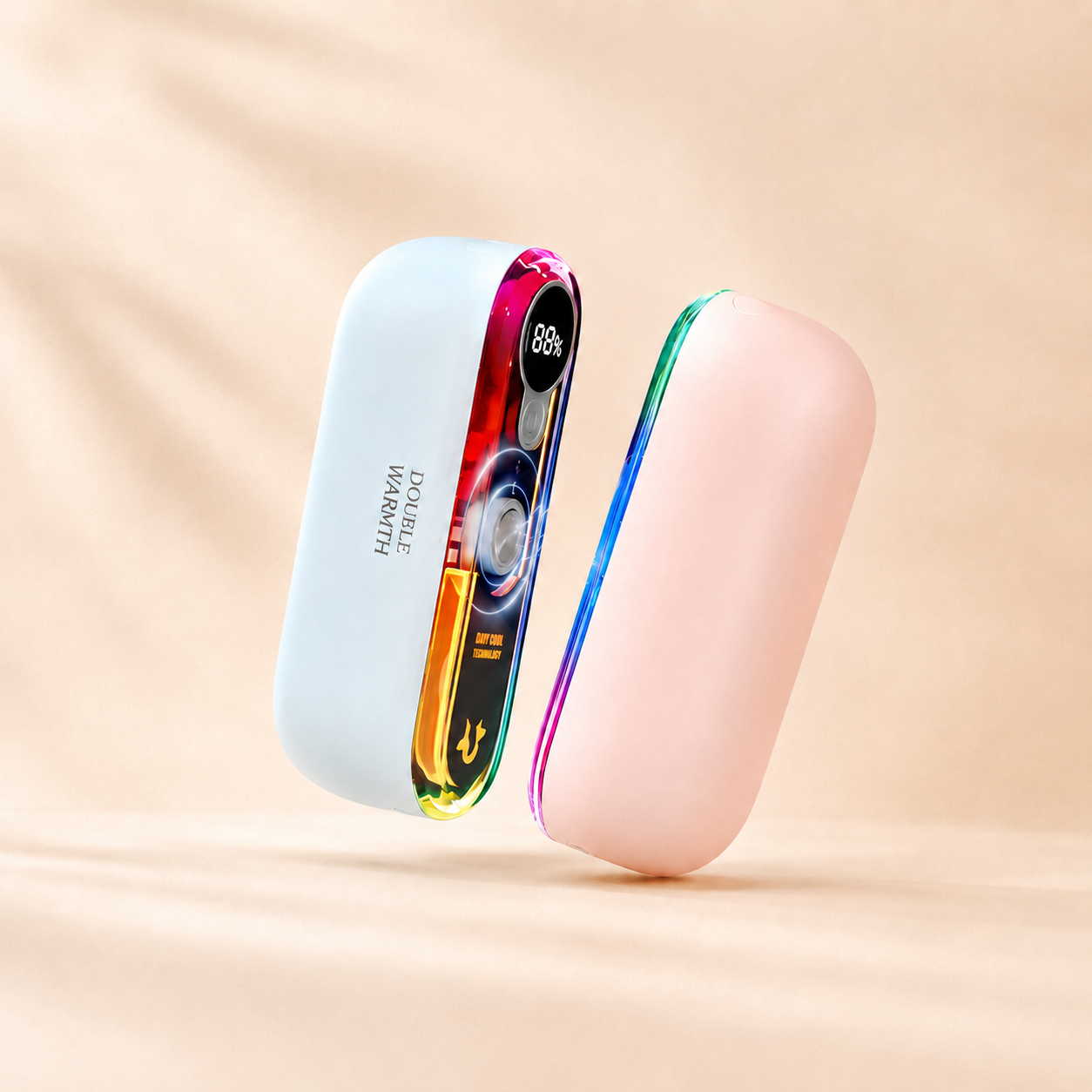
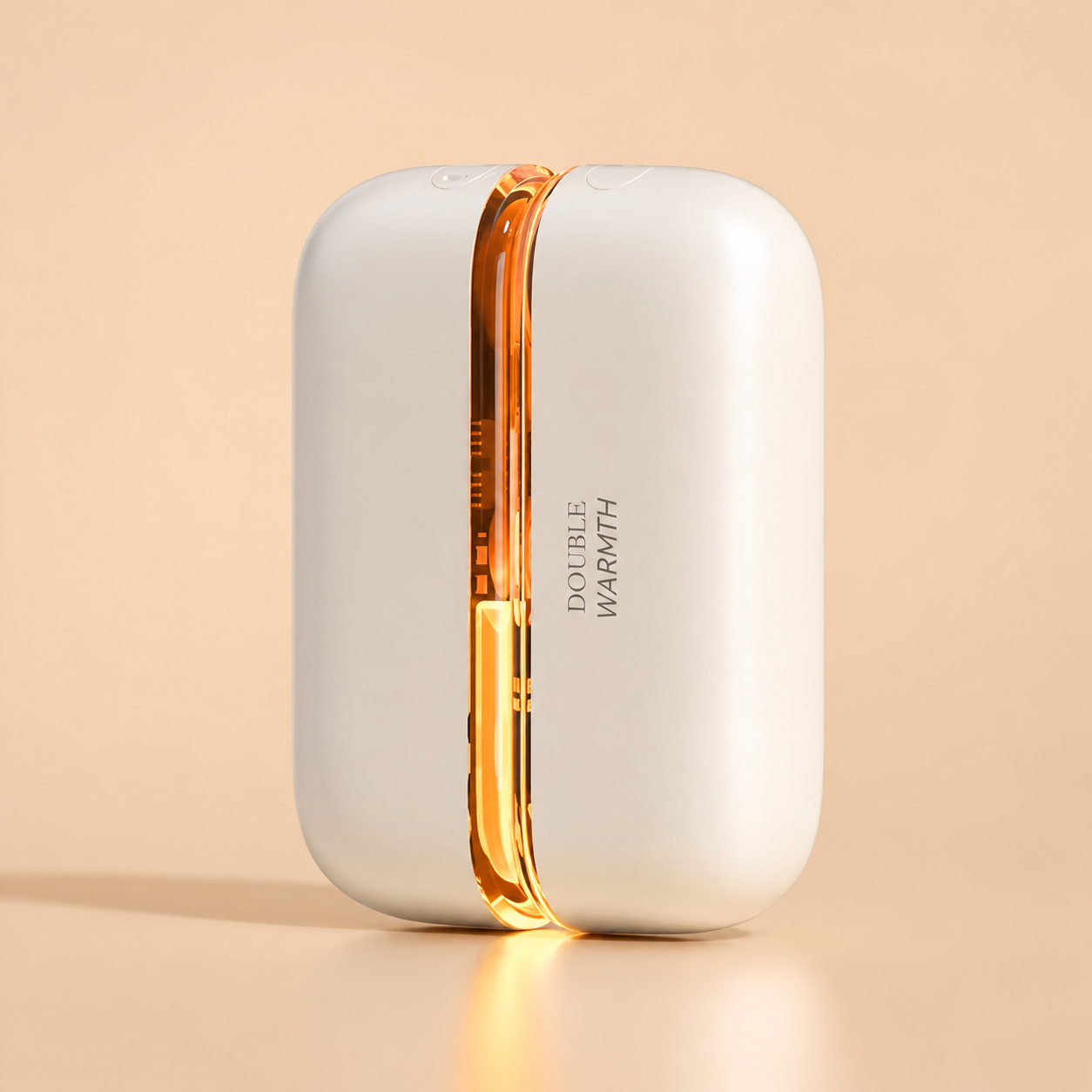
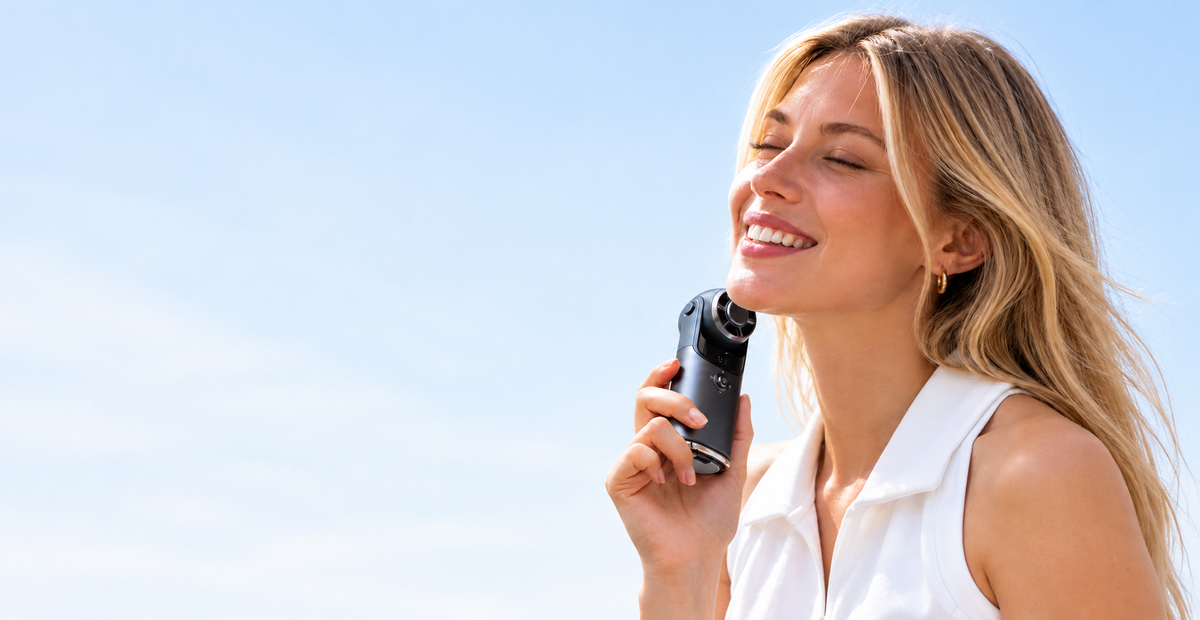
- At your desk, in the car, at a café - a handheld fan is the most direct option. You point it where the heat is, usually face and neck, and you get the strongest airflow for the size. A folding design survives a handbag. Some models, like the Foldable Turbo Fan with Ice Compress, add a small chilled metal plate you can press to your neck or wrists. The airflow is still doing most of the work.
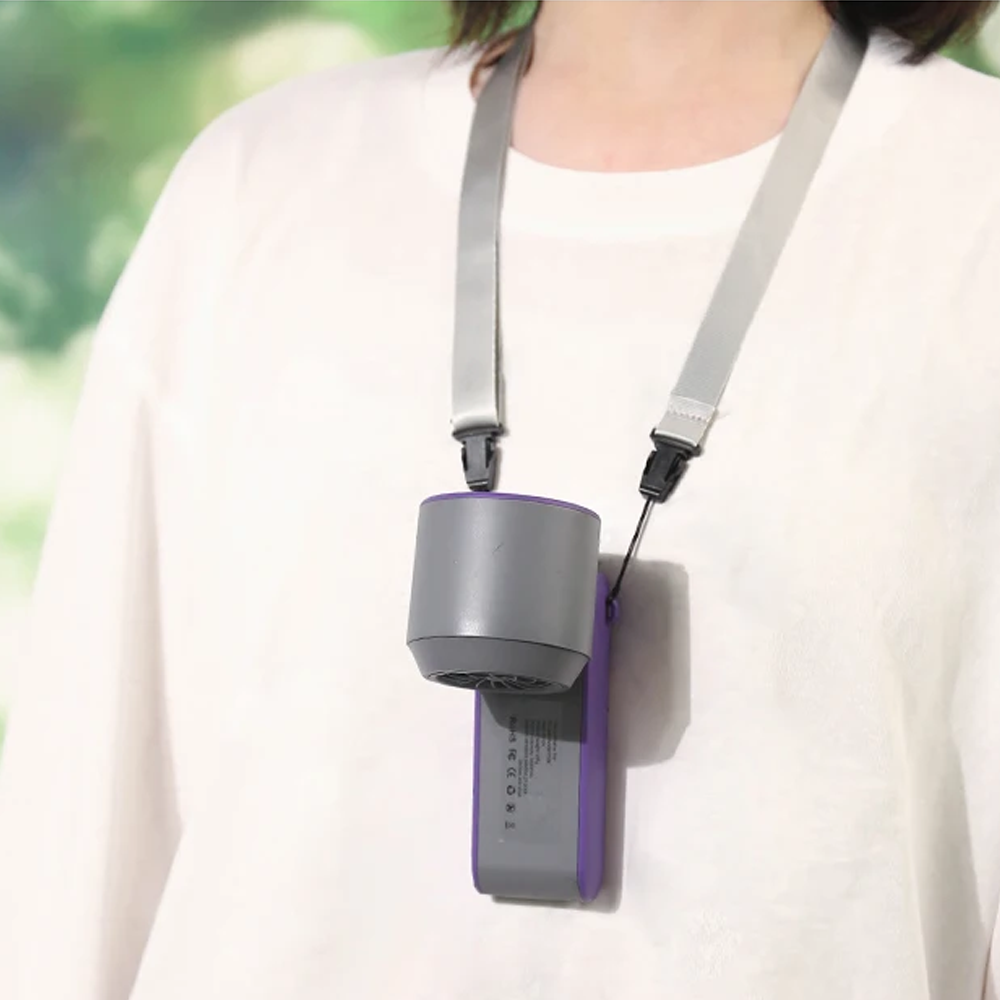
- Hands full - driving, holding a toddler, presenting, on a checkout. A neck fan sits like headphones and blows upward across the neck and jaw. The Directional Rotor Neck Fan lets you angle the airflow toward the face or keep it on the neck, which helps because flushes don't always land in the same place. Enclosed vents are more practical around long hair, though hair, scarves and jewellery still need to stay clear of the intake. Lower settings suit meetings. The trade-off with any neck fan is that airflow is gentler than a handheld.
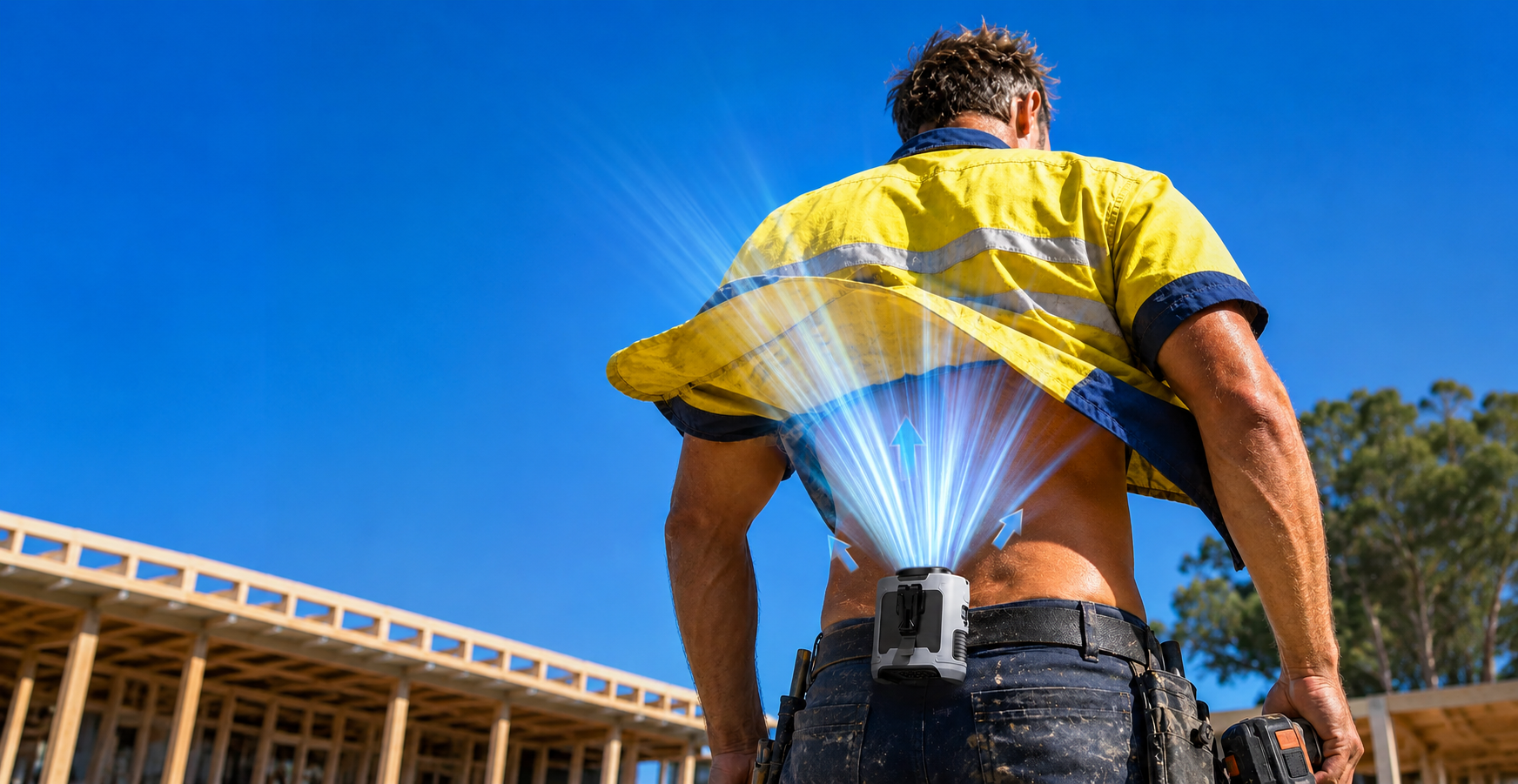
- On your feet all day - a waist fan like the 3-in-1 Waist Fan clips to a waistband and pushes air up under a top. Useful if your flushes start in the torso rather than the face, or if you work somewhere warm.
- Desk and bedside - the two places you spend the most hours. A small fan angled at your face and chest at your desk, and a quiet one on the bedside table you can switch on without waking properly. A flexible-tripod fan wraps around a bedhead or desk lamp and does both jobs.
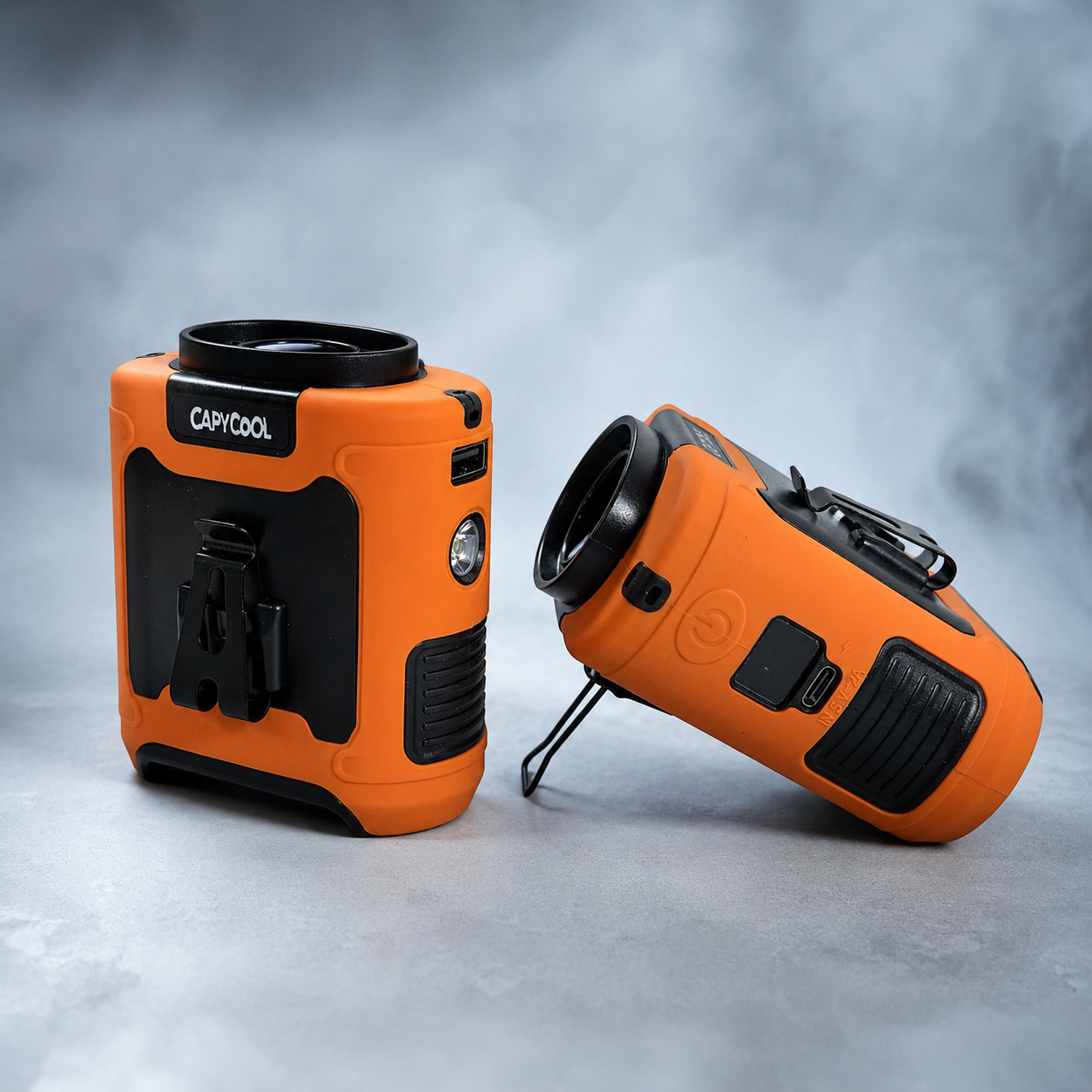
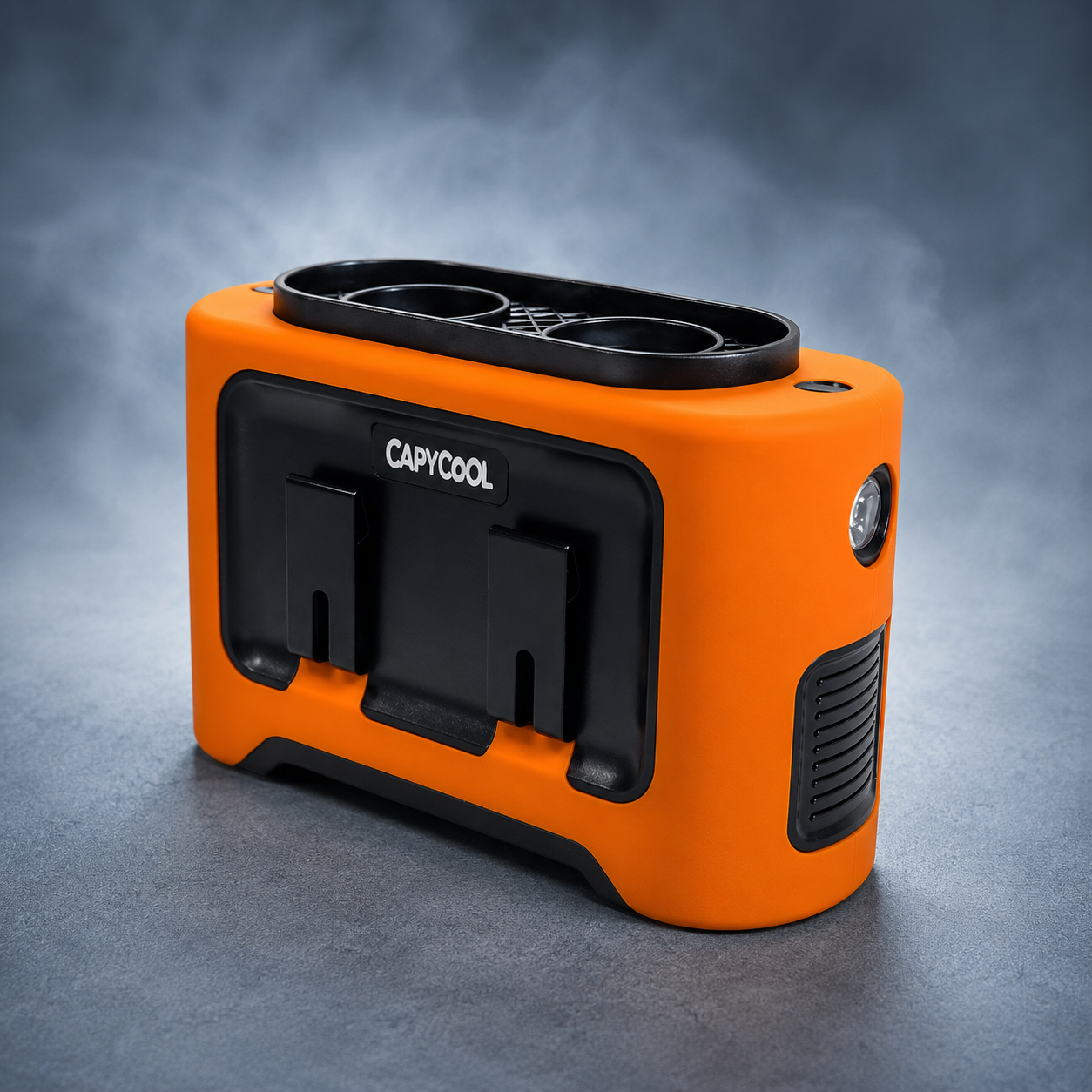
CapyCool built its range for Australian heat and outdoor work first, then found its way to menopausal women through customer feedback. Several models run on larger rechargeable batteries with multiple speed settings, so compare the published runtime, weight and noise before choosing one.
Compare CapyCool fans for menopause and hot flushes
How do you cool down during a hot flush?
Nothing switches a flush off. Starting the fan early gives you cooling comfort fast, but it doesn't stop the flush underneath. Where you aim it matters more than how fast it spins.
- Face, neck and upper chest first - these are where the heat is usually felt most, so direct the airflow there before anywhere else.
- Wrists and the inside of the elbows - if cold contact feels helpful, hold the fan's cooling plate, a cold water bottle or a damp cooling towel against your wrists or neck while the fan runs.
- Start early - many women get a few seconds of warning, a prickle or a wave of warmth. That's the moment to reach for the fan, not once you're already dripping.
- Loosen a layer - a fan working on bare skin cools you far more than one blowing at a jumper. Layered clothing in natural fibres exists so you can shed one quickly.
- Sip something cold - not to lower your core temperature much, but because cold in the mouth and throat is another strong cooling signal.
- Don't blast it on high for ages - once the flush has passed, switch it off or turn it down. Overcooling can leave you chilled and shivery, which is its own kind of unpleasant.
And breathe out slowly while you wait. Paced breathing doesn't reduce flush severity in trials, but it does take the edge off the panicky feeling that often rides along with one, and it stops you tensing everything.
Do fans help with menopause night sweats?
They help, but the bed works against you. Night sweats are the same event happening while you're asleep, but a doona, a warm partner and a closed room keep your core temperature slightly raised all night, and a fan on the far side of the room can't undo that on its own. It needs help from the bedding and the thermostat. The Royal Women's Hospital suggests a bedroom fan, light breathable bedclothes or sleeping without them, and separate bed covers from your partner so you're not sharing their heat.
A few practical additions:
- Choose a low, steady setting - quiet enough that it doesn't wake you, constant enough that you're not waiting for it to swing back.
- Keep the room cool, not cold - the Sleep Health Foundation puts the ideal sleeping temperature for most people at 17 to 19°C. If you can't cool the whole room, airflow over exposed skin can still make a difference.
- Layer the bed like you layer your clothes - a sheet plus a light blanket you can kick off beats one heavy doona.
- Cool the pillow - a cold pack under the pillow, or flipping it to the cool side, is a healthdirect suggestion that costs nothing.
If you're waking to sweat and then finding you also need the toilet, it's worth knowing those two things get tangled up around perimenopause. Mention both to your GP rather than treating them as separate problems.
How do you get hot flushes to stop?
You can't switch them off with a fan. A fan handles the moment. These handle the pattern.
- Know your triggers - alcohol, spicy food, hot drinks, smoking and stressful situations all show up in the AMS guidance. You don't have to cut everything. Just notice which ones reliably set you off.
- Keep your baseline temperature down - that narrow thermoneutral zone means a cooler baseline gives you more room. Lighter clothing, cooler rooms, cold water on hand.
- Healthy weight and general wellbeing - weight gain can worsen symptoms for some women, though lifestyle changes don't consistently reduce hot flushes. If weight is a concern, talk to your GP or an accredited practising dietitian rather than following a menopause-specific crash diet.
- Medical options - reducing how many flushes you get, or how severe they are, usually needs more than a fan. Depending on your symptoms and history, options include menopause-specific cognitive behavioural therapy, menopausal hormone therapy or non-hormonal prescription medicines. Your GP can help you weigh up what's appropriate.
Menopause can also bring changes to the bladder and pelvic floor. They're separate from hot flushes but tend to arrive in the same stage of life, and they get talked about far less. I've written about them over on the Blossom Pelvic Health blog, in a guide to menopause and the pelvic floor.
When should you see a doctor about hot flushes?
Fans are for managing symptoms you've already had checked out. See your GP if:
- flushes are severe enough to disrupt sleep, work or relationships, because effective treatment exists and you don't have to wait it out
- you're under 45 and flushes have started, since menopause before 45 counts as early and has its own health considerations
- flushes come with unexplained weight loss, a racing heart at rest, or sweats that soak the bed every night, as these can occasionally point to something other than menopause
- you've had breast cancer or are on treatment that blocks oestrogen, because your options are different and worth a proper discussion
For everyone else, a good fan, a cold water bottle and a plan for the bedroom will get you through more flushes than you'd expect. Keep it charged, keep it close, and don't feel silly using it in a meeting. Nobody in that room would judge you for reaching for a glass of water, and this is no different.
This article is general information and doesn't replace advice from your own doctor.
References
- Lifestyle and behavioural modifications for menopausal symptoms - Australasian Menopause Society
- Lifestyle and behavioural changes for menopausal symptoms - healthdirect Australia
- Managing menopause - The Royal Women's Hospital
- Management of menopause - Australian Prescriber
- Hot nights: how to help sleep - Sleep Health Foundation
- How to manage menopausal symptoms - Jean Hailes for Women's Health
- Freedman RR, Krell W. Reduced thermoregulatory null zone in postmenopausal women with hot flashes. American Journal of Obstetrics and Gynecology. 1999;181(1):66–70.
- Freedman RR. Menopausal hot flashes: mechanisms, endocrinology, treatment. Journal of Steroid Biochemistry and Molecular Biology. 2014;142:115–120.








Share:
Why Aussie Tradies Love Capycool Shirt Fans
Peltier Cooling Plate Explained: Semiconductor & Ice Plate Cooling