



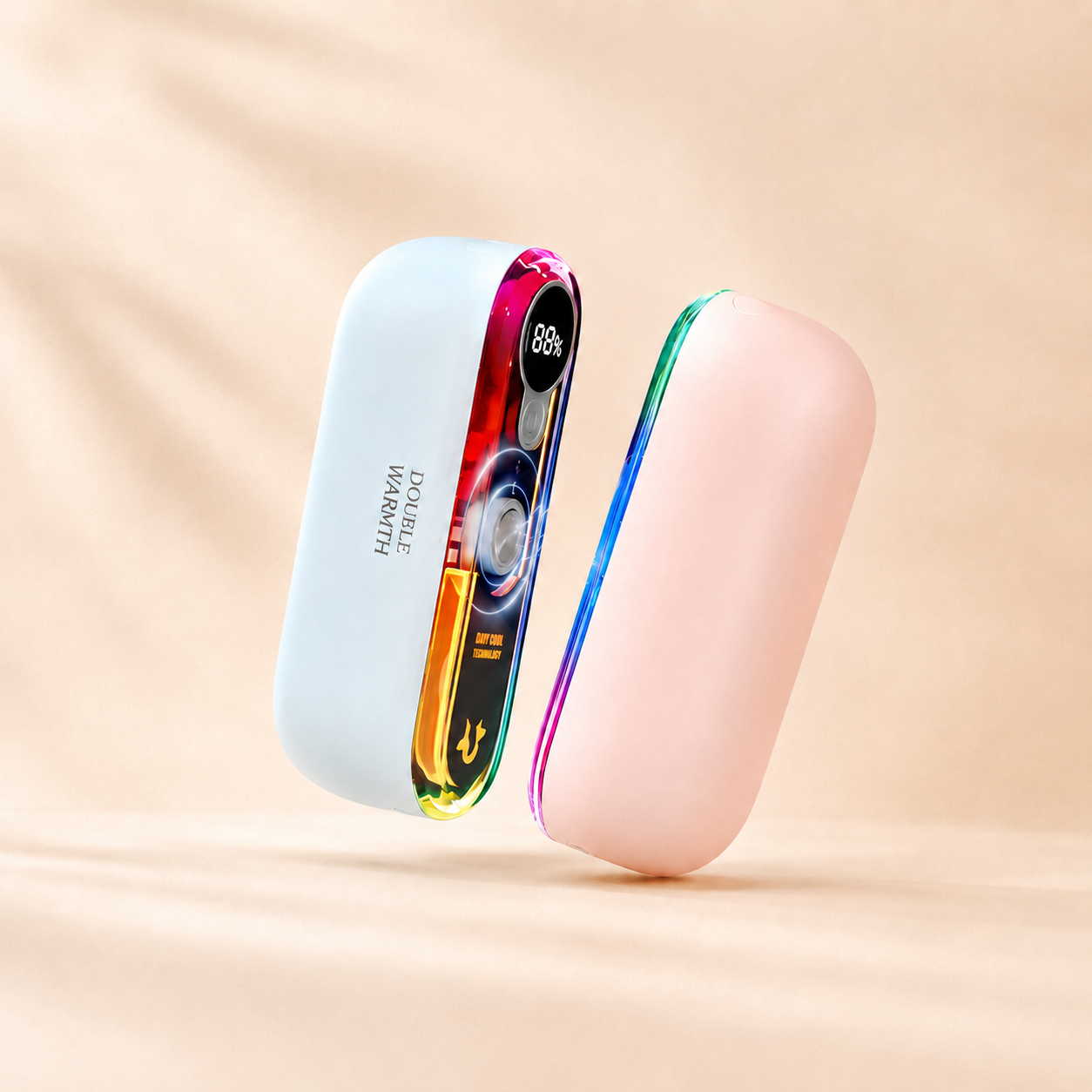

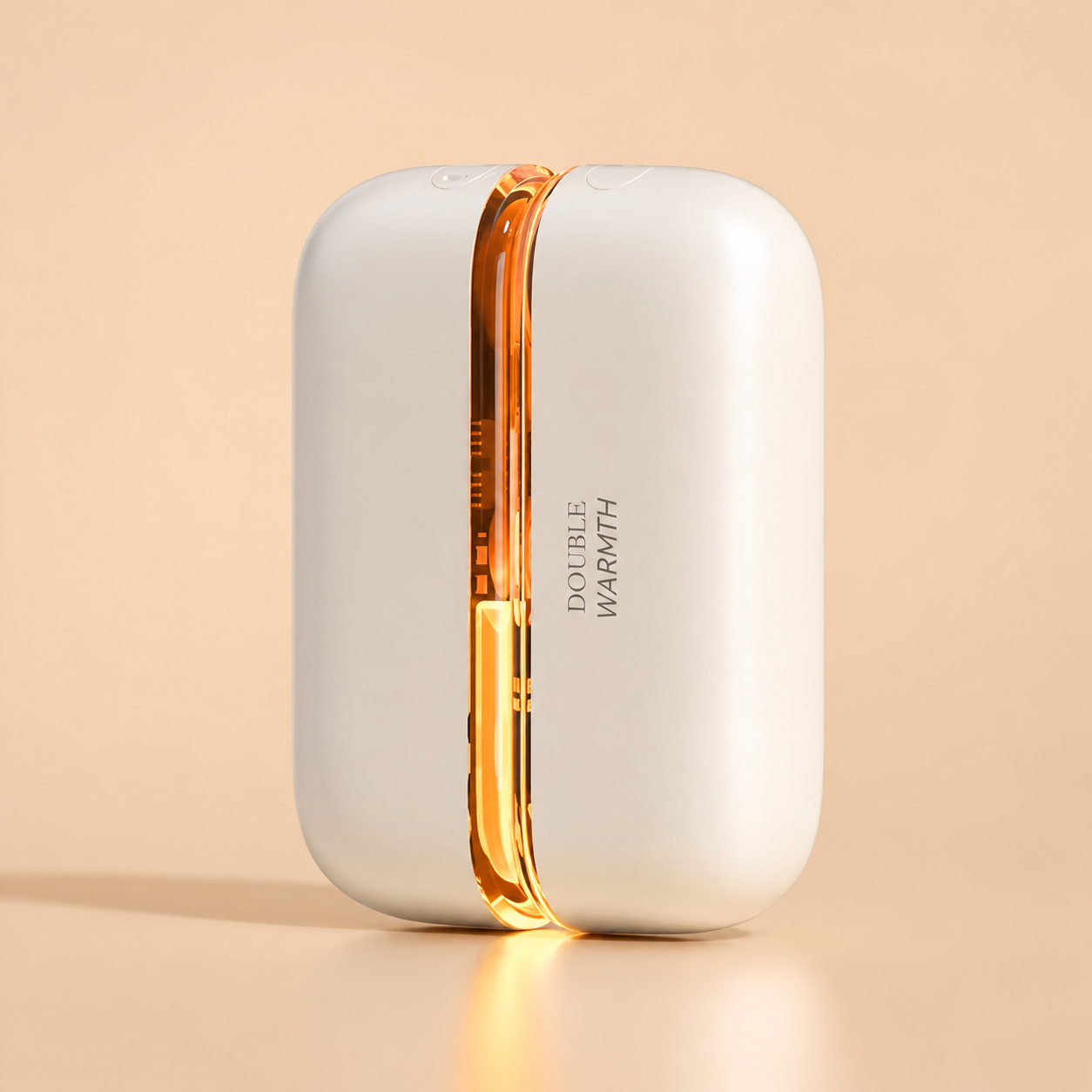
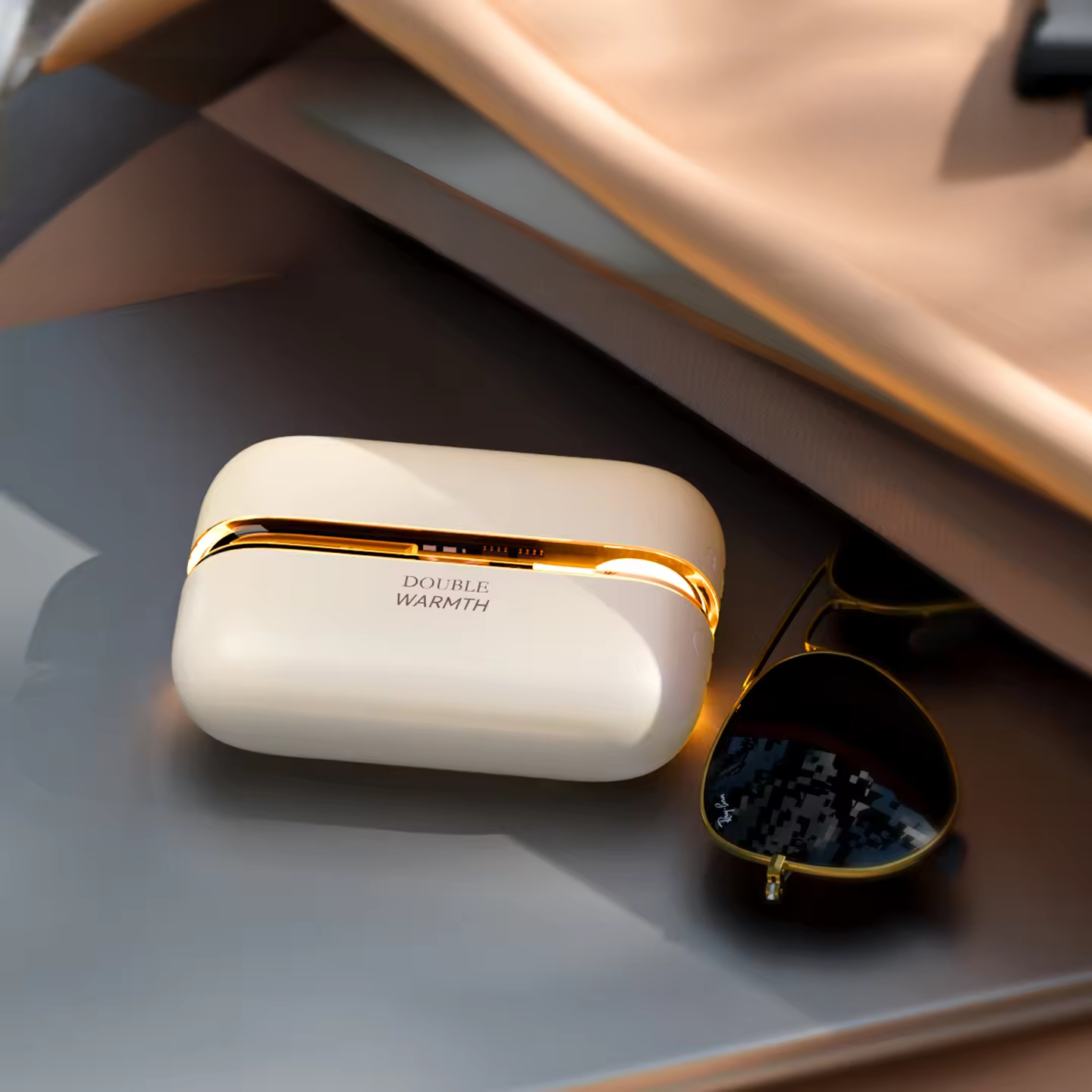
CapyCosy Twin Electric Hand Warmer
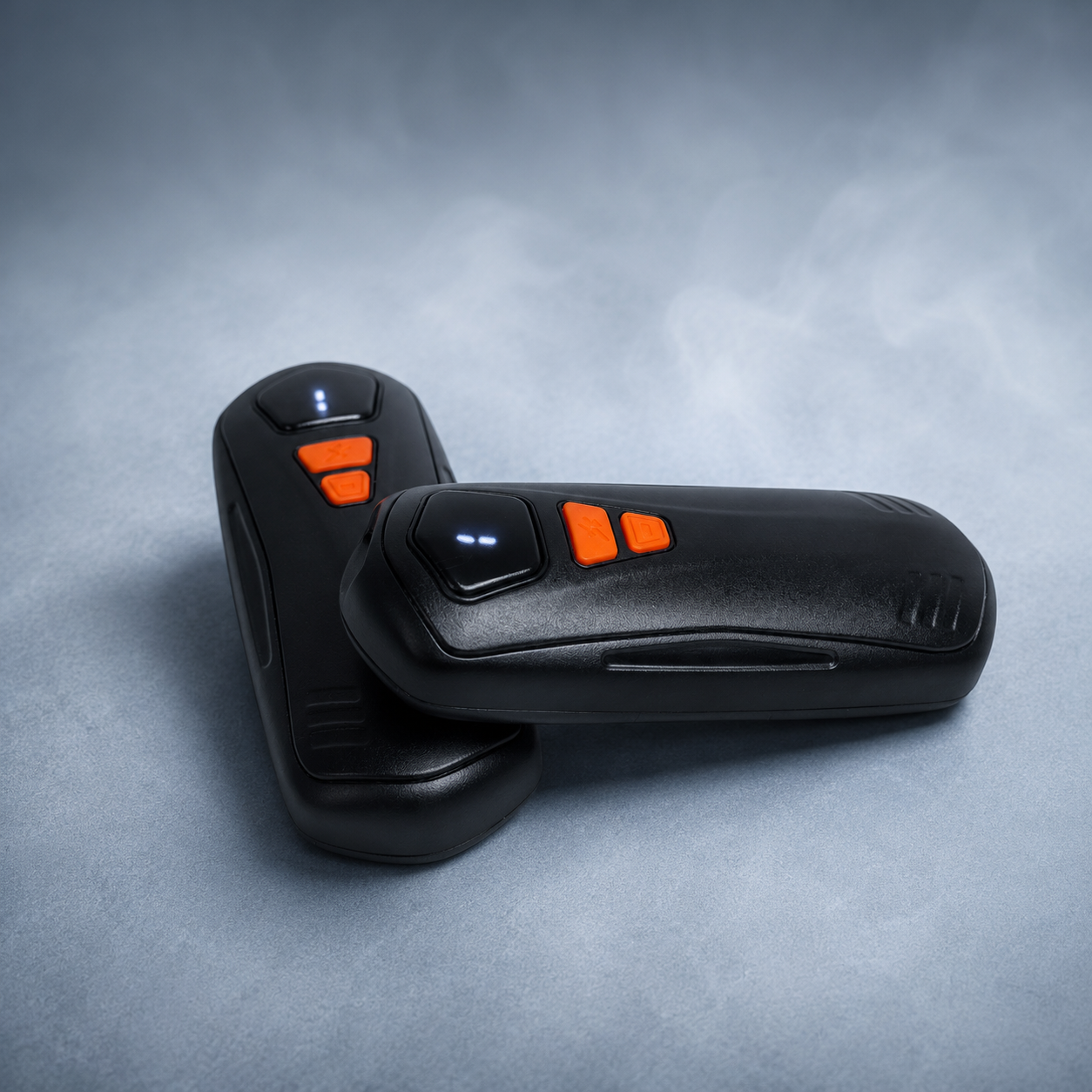
CapySlim Dual Electric Hand Warmer
About This Collection
Rechargeable hand warmers, built for cold Australian mornings
Reusable electric hand warmers that heat up fast, hold steady warmth, and recharge for the next cold day. Warm the part of you that feels the cold first, your hands, without heating a whole room. Dispatched from our Sydney warehouse.
Shop the CapyCosy Twin Hand WarmerA rechargeable hand warmer is a small device that holds warmth in the palm of your hand, runs on a built-in battery, and recharges over and over again. No fuel, no single-use sachets, no waste. You pick a heat setting, slip it into a pocket or hold it, and your hands warm up in a minute or two.
For a lot of Australians, cold hands are not a once-a-year problem. They turn up on the morning commute, on early site starts, on the sideline at junior sport, on snow trips, and for the millions of people living with conditions that make their hands feel the cold more sharply. This page explains how electric hand warmers work, who gets the most out of them, what to look for before you buy, and how our current model handles it. Right now the range is anchored by one product, with more warmers on the way.
Why a hand warmer makes sense in Australia
Australians tend to underestimate how cold winter actually gets here, partly because our reputation is all sunshine and surf. The reality indoors tells a different story. Research from the Australian Centre for Housing Research found that 81 per cent of homes sampled across the temperate states recorded average winter indoor temperatures below the World Health Organization minimum of 18 degrees, with an overall mean of 16.5 degrees. In Tasmania the mean dropped to 15.8 degrees, colder than the typical indoor winter temperature recorded in parts of Finland and Greenland.
Hobart, Canberra and Melbourne routinely sit between 0 and 7 degrees overnight in winter, and alpine sites run below freezing for most of the season. Cold homes and cold mornings are not a minor inconvenience. They affect comfort, sleep, dexterity and, for some people, health.
The average cold home
Mean winter indoor temperature across sampled temperate-state homes, below the 18 degree health minimum.
Where cold lands first
Blood flow to the extremities drops first in the cold, so hands lose warmth and dexterity before the rest of the body does.
Not the whole room
Heating one pair of hands costs a fraction of a cent per charge. Running a room heater all morning does not.
The case for warming your hands, not your house
When you are cold, the body protects your core by pulling blood away from your fingers and toes. That is why your hands go stiff and clumsy long before you start to shiver. Warming the hands directly addresses the spot that feels it first and the spot you need working: holding a phone, gripping tools, doing up a jacket, signing a delivery, steering a wheel on a frosty morning.
It is also cheap to run. A rechargeable warmer costs well under a cent in electricity to recharge, against the running cost of a heater warming a whole room for the sake of one person sitting at a desk or standing at a bus stop. For anyone managing power bills through a cold winter, targeted warmth is the sensible answer.
See the current modelWhat a rechargeable hand warmer does well
These are the things customers tell us they value most, and the things electric warmers are actually good at. We have kept this honest, because warmth at the hands is a specific job, not a cure for a cold room.
Fast, strong heat
A good electric warmer reaches a comfortable temperature within a minute or two of switching on, so relief is close to immediate when your hands are aching from the cold.
Adjustable settings
Multiple heat levels let you pick gentle warmth for a long stretch or stronger heat for a deep-winter morning. Heat preference is personal, so adjustability matters.
Reusable, not disposable
Recharge and reuse for hundreds of cycles. No iron-powder sachets to bin after a few hours, which is cheaper over a season and creates far less waste.
Pocket sized and portable
Small enough to live in a jacket pocket, a handbag or a glovebox, so it is there when the cold hits rather than at home on the bench.
Quiet and simple
No noise, no flame, no fuel. Press a button, choose a setting, warm your hands. That is the whole interaction.
Shareable warmth
A twin set means one warmer for each hand, or one for you and one for whoever you are standing in the cold with.
Who hand warmers are for
The people who reach for a hand warmer are not all the same, but they share one thing: cold hands they would rather not put up with. Here is where ours earn their keep.
People who get cold hands easily
Some people run cold no matter the layers. Fingers go white and stiff on a mild morning, let alone a frosty one. For this group a warmer is a daily-carry item from the first cold snap, kept in a pocket and switched on the moment the hands start to ache. One customer in Melbourne described 10 to 12 degree mornings as the trigger for reaching for hers.
Commuters and cold-morning starters
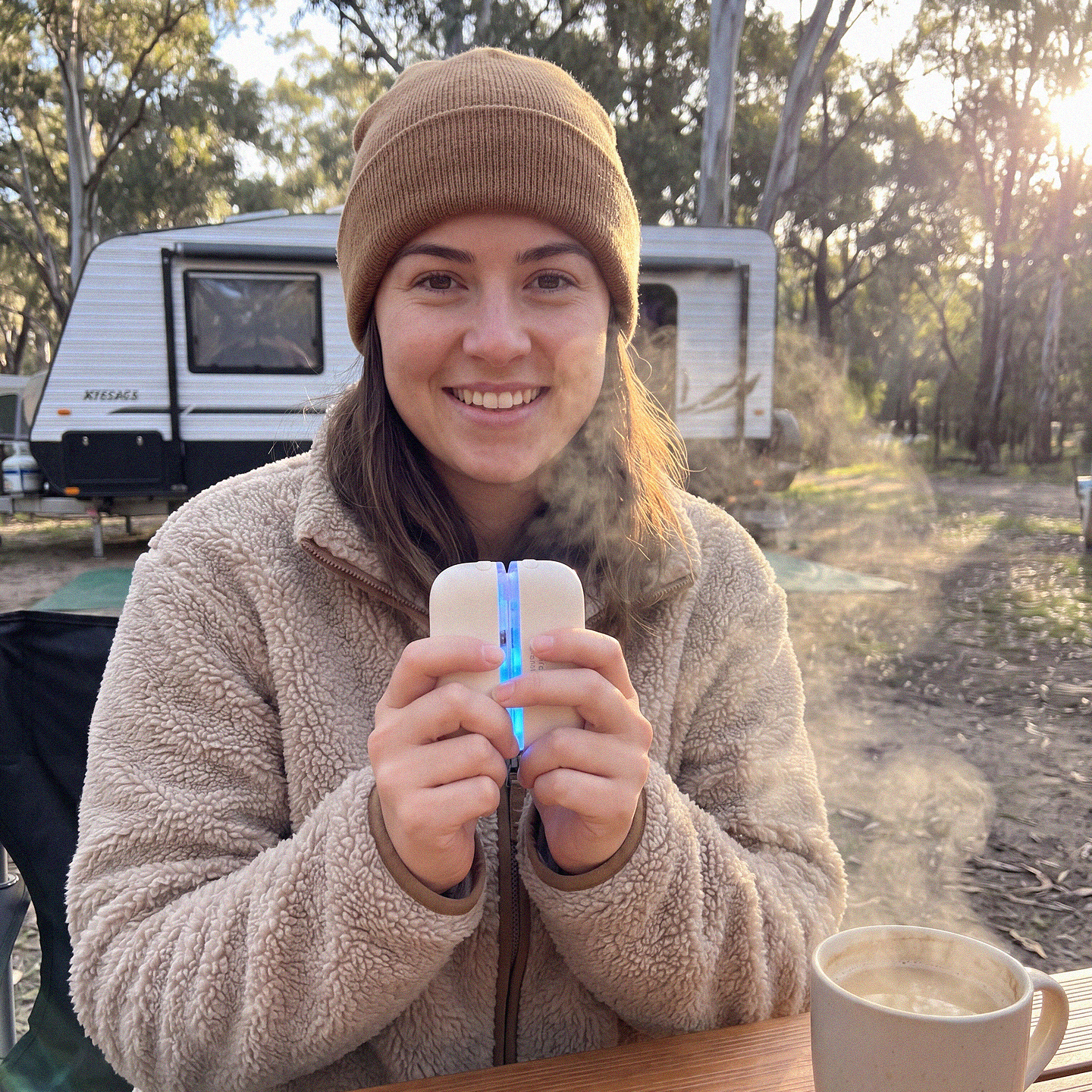
Waiting for a train, scraping a windscreen, walking to the office or the school gate before the sun has done any work. A warmer in the coat pocket takes the edge off the worst part of the day, then recharges overnight for the next one.
Tradies and outdoor workers
Early site starts in winter mean cold steel, cold tools and stiff fingers, which is uncomfortable and slows precise work. A warmer between tasks, or tucked in a pocket during smoko, keeps the hands functional. It pairs naturally with the warm-weather end of our range when the seasons turn and you want our waist fans back on the belt.
Sideline parents and winter spectators
Standing still in the cold for an hour at junior footy, netball or the local cricket nets is its own kind of cold. You are not moving enough to stay warm, and your hands are the first thing to suffer. A twin set means one each, for you and the person next to you.
Snow trips and cold-climate travel
Heading to the snow, or somewhere genuinely cold overseas, is the classic use case. A reusable warmer travels light, recharges at the hotel, and saves you buying packs of disposables you then have to carry and throw away.
Gift buyers
Hand warmers make a practical, thoughtful gift for anyone who feels the cold, and the twin format suits the one each angle. They sit well alongside the rest of the CapyCool range as a winter present.
Hand warmth and health conditions
For a large group of Australians, cold hands are a symptom, not just a discomfort. Keeping the hands warm is a recognised, non-medicated way to manage that symptom. To be clear up front: a hand warmer is not a treatment or a cure for any condition, and it does not replace medical care or proper home heating. It has a defined role, warmth at the hands, where reduced blood flow and lost dexterity are felt first.
Raynaud's phenomenon
Cold triggers the small blood vessels in the fingers to narrow, causing colour change, numbness and pain. Australian and international clinical guidance consistently recommends keeping the whole body, and especially the hands, warm to reduce attack frequency and severity. An Australian scleroderma cohort study found lower temperatures were linked to worsened Raynaud's and reduced quality of life, and concluded that dry warmth plays an important role.
Arthritis
Around 3.7 million Australians live with arthritis. Heat application is a recommended adjunct in arthritis self-management, with Cochrane reviews supporting superficial heat as palliative therapy and reporting that the large majority of patients preferred heat to no therapy. Warmth eases stiffness and supports hand function on cold mornings.
Peripheral neuropathy
Close to half of all Australians with diabetes will experience peripheral neuropathy, which can leave the extremities cold and with altered sensation. Gentle warmth can help comfort, but this group must take particular care with temperature and skin checks, because reduced sensation makes burns harder to feel. Use the lowest effective setting and a cloth barrier.
Fibromyalgia and others
Up to one million Australians live with fibromyalgia, where cold weather commonly worsens pain. Cold extremities also feature in multiple sclerosis, chilblains, peripheral arterial disease and the cold hands some people experience around menopause. Local heat is a widely used, low-risk comfort measure across these.
If you have any of these conditions, treat hand warming as part of your routine symptom management alongside the advice of your GP or specialist, not as a replacement for it. If you have unexplained cold hands, colour change, numbness that is getting worse, or non-healing skin, see your doctor, because warming can mask something that needs assessing.
How rechargeable electric hand warmers work
An electric hand warmer uses a rechargeable battery and a heating element. When you switch it on and select a setting, the element warms a metal or ceramic surface to a steady temperature, usually somewhere in the 40 to 55 degree range across a few adjustable levels. You hold the warm surface or keep the device in a pocket, and it stays at that temperature until you change the setting or it runs down.
Because the battery is rechargeable, the warmer is reusable for hundreds of charge cycles. That is the main difference from disposable chemical warmers, which generate heat through a one-time chemical reaction and are binned afterwards. A quality electric unit gives you control over the temperature, no waste after each use, and a running cost of a fraction of a cent per charge.
The important features to weigh up are the heat range, how long it runs on a charge, how it is built and certified for safety, and whether the temperature is adjustable. We cover what to look for next.
What to look for before you buy
Not all hand warmers are built the same. These are the things worth checking, whether you buy from us or anywhere else.
- Adjustable temperature. A single fixed heat level suits no one perfectly. Multiple settings let you run gentle warmth for hours or stronger heat for a freezing morning, and let sensitive users start low.
- Battery safety and certification. Look for the Regulatory Compliance Mark (RCM) and lithium battery safety to the IEC 62133 standard, plus over-temperature protection that cuts the heat if the device gets too hot. This is the single most important thing to get right with any battery-powered heat product.
- Run time on a charge. Enough warmth to cover the cold part of your day without a recharge, with the understanding that higher heat settings draw more power and run down faster.
- Build quality and feel. A warmer you actually want to hold, with a surface that heats evenly and a shell that feels solid, not flimsy.
- Reusable over disposable. If you use a warmer more than a handful of times a year, a rechargeable unit is cheaper and far less wasteful than buying packs of single-use sachets.
- Local support and dispatch. Australian-based support, fast dispatch and a real warranty matter when something goes wrong, which is hard to get from a generic overseas listing.
Inside the CapyCool warming range
The range is currently led by one model, with more warmers in development. Here is what the current warmer is, told straight.
CapyCosy Twin Hand Warmer
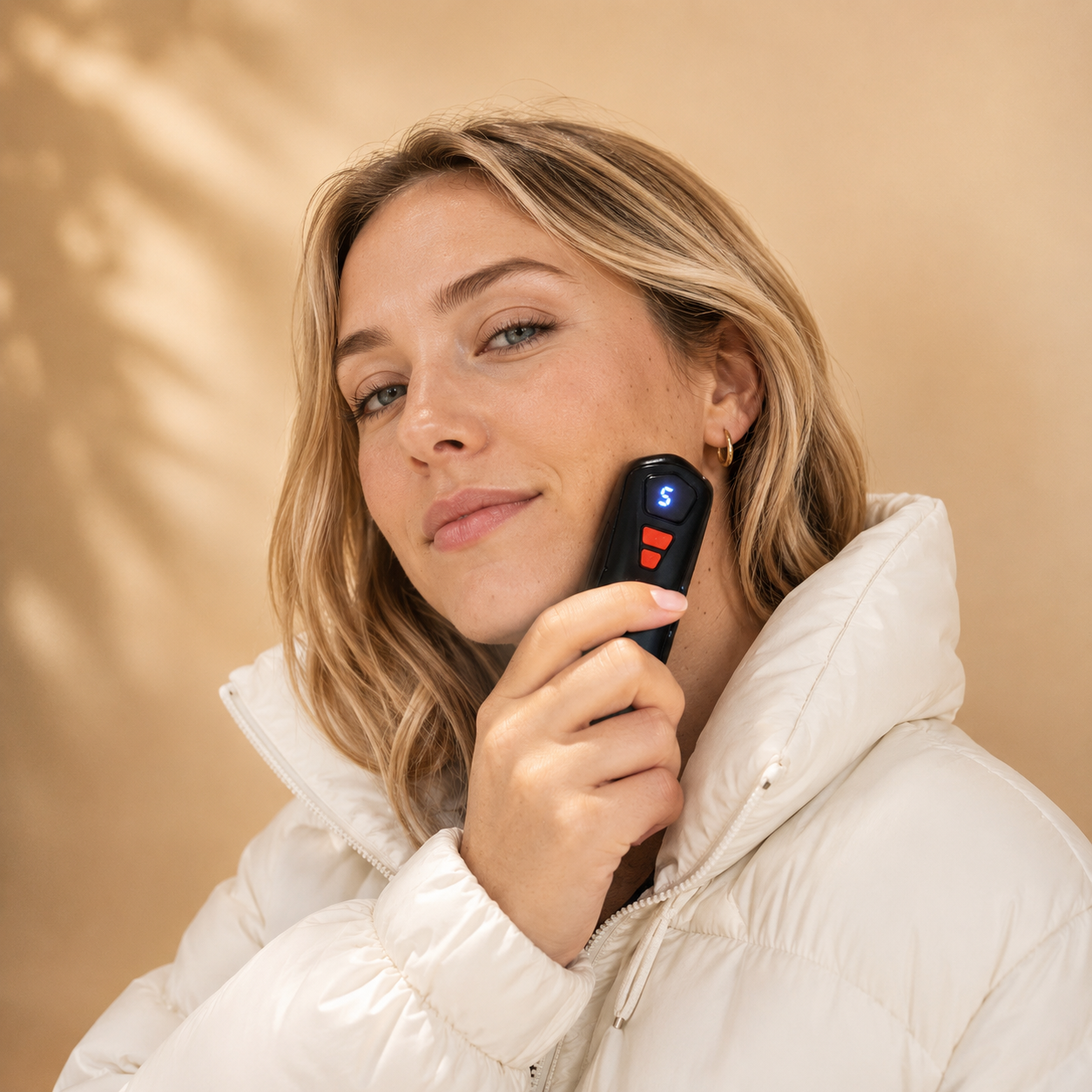
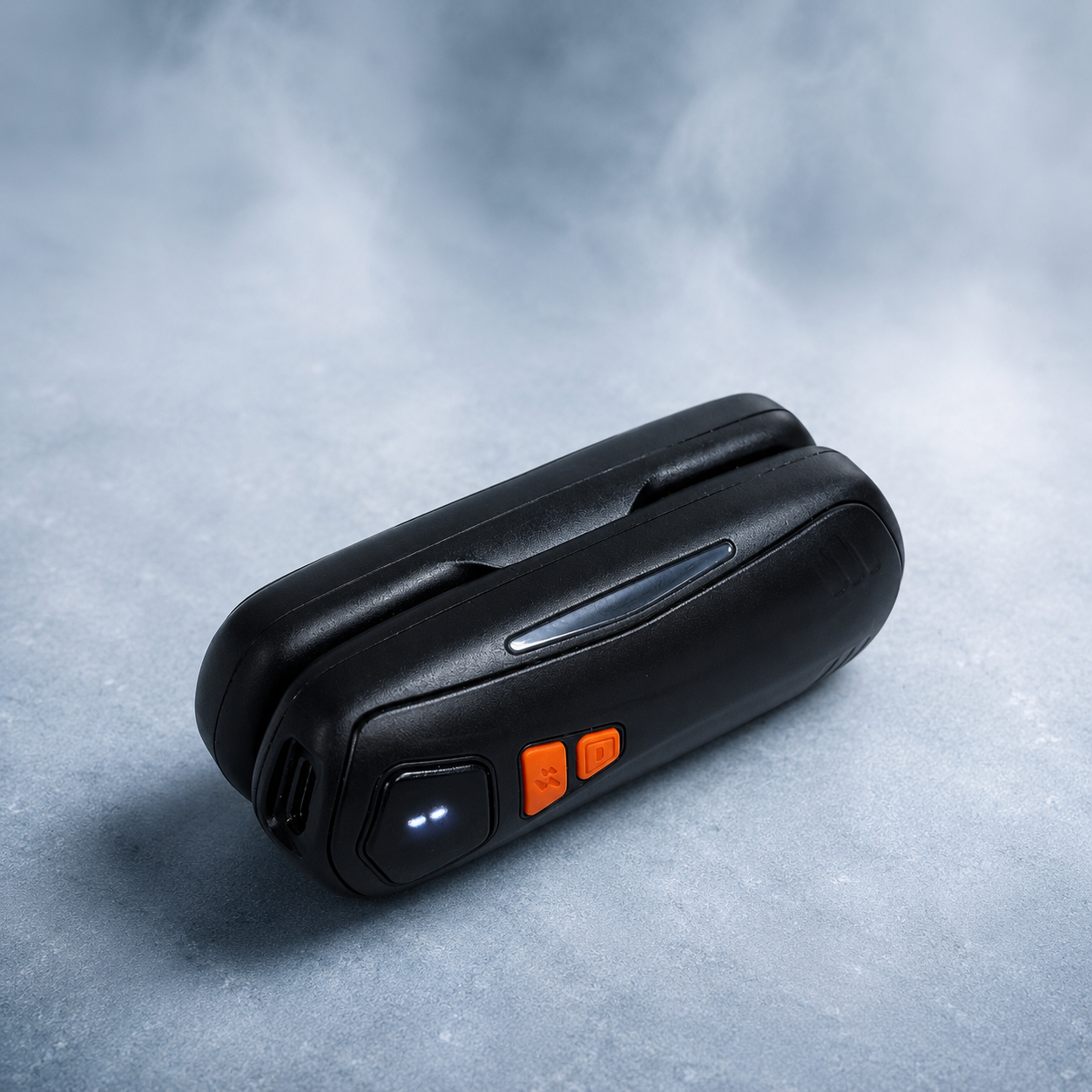
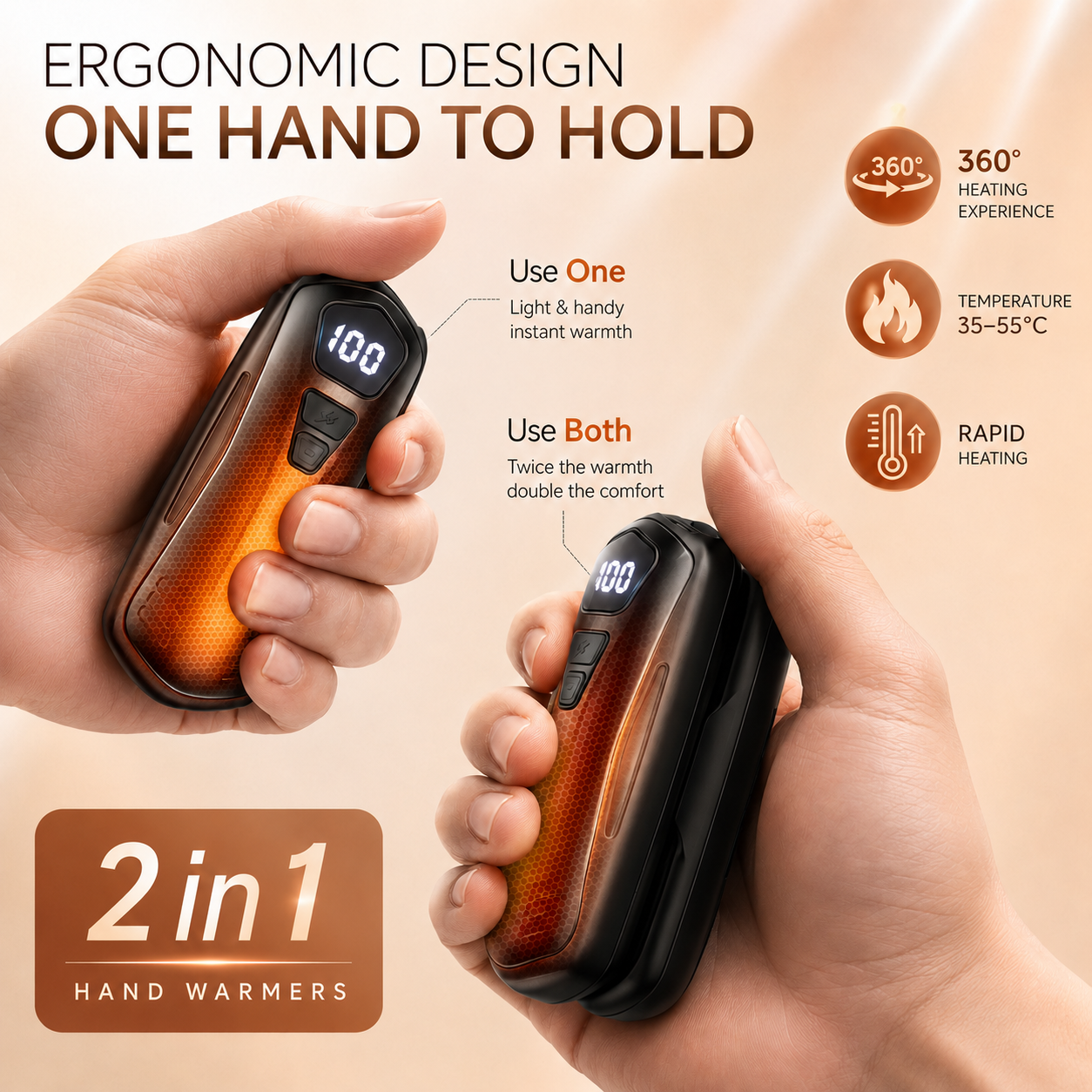
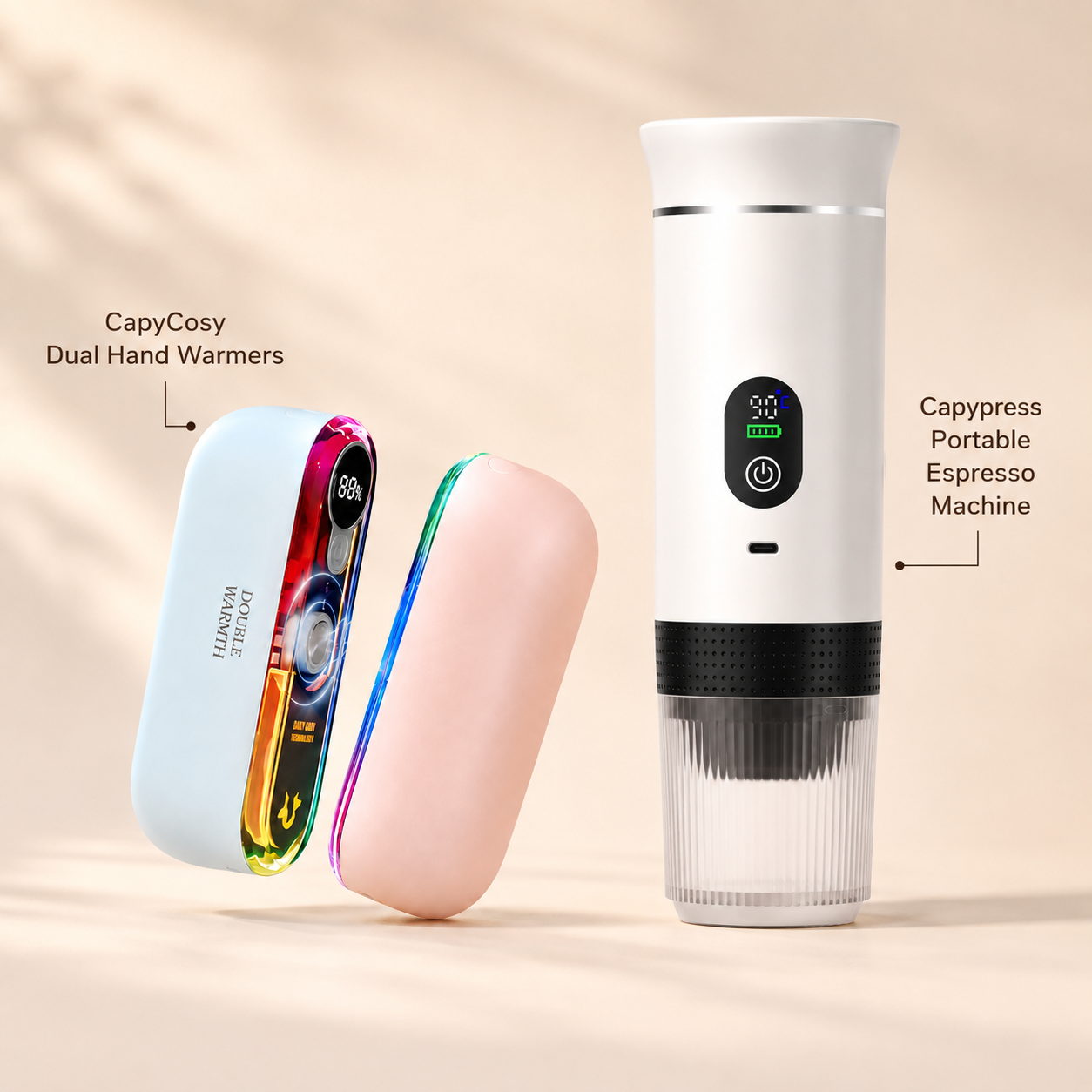
A set of two rechargeable hand warmers, so you can warm both hands at once or share one with someone next to you. The heat is adjustable across multiple settings, from a gentle, hold-it-all-morning warmth up to a stronger heat for a deep-winter day. They recharge and reuse, and a dual split cable lets you charge both warmers at once from a single point. They come with a soft fabric pouch, and a colour-transition setting that tends to draw a few compliments.
It is built around the things that actually matter in a hand warmer: real warmth that arrives quickly, control over the temperature, and a pocket-sized shape that is there when the cold hits. Heat preference is personal, so we suggest starting on a lower setting and working up to what feels right for you.
At a glance
| Format | Twin set, two warmers in the box |
|---|---|
| Heat | Adjustable across multiple settings |
| Power | Built-in rechargeable battery, reusable |
| Charging | Dual split cable charges both warmers at once |
| Extras | Soft fabric pouch, colour-transition setting |
| Price | $64.99 (was $89.99) |
| Dispatch | From our Sydney warehouse |
Honest limits
Heat preference varies a lot from person to person, so the lower settings will feel too gentle for some and the higher ones too warm for others, which is exactly why it is adjustable. As with any heat product, it warms your hands rather than your whole body, and it needs recharging between uses. For sensitive or reduced-sensation skin, use the lowest effective setting with a cloth barrier and check your skin (see safety below).
Rechargeable, USB or disposable
There are three common types of hand warmer. Here is how they compare, so you can see where a rechargeable electric warmer fits.
| Feature | Rechargeable electric | USB powered | Disposable chemical |
|---|---|---|---|
| Reusable | Yes, hundreds of cycles | Yes | No, single use |
| Adjustable heat | Yes | Often | No |
| Running cost | A fraction of a cent per charge | A fraction of a cent | Around 20 to 60 cents per unit |
| Tethered to power | No, runs on its battery | Yes, needs a USB source | No |
| Waste | None per use | None per use | One pouch binned each time |
| Best for | Everyday and repeat use, travel, cold-morning routines | Desk, car, anywhere near a charging point | Rare one-off use only |
For anyone who feels the cold more than a few times a year, a rechargeable electric warmer is the most practical and the least wasteful of the three.
Using a hand warmer safely
Hand warmers are simple to use safely if you follow a few sensible habits, which matter most for older users and anyone with reduced skin sensation.
- Start on the lowest setting and increase only if you need more warmth.
- For sensitive or reduced-sensation skin, keep a cloth barrier between the warmer and your skin, limit continuous direct contact to around 20 to 30 minutes, then check your skin for any redness.
- Keep the warmer in a pocket, glove or the supplied pouch rather than pressed against bare skin for long periods, especially while resting or sleeping. Prolonged direct heat can cause low-temperature burns or skin marking.
- Charge it on a hard, open surface. Do not charge it under bedding, clothing or near anything flammable, and use the supplied cable.
- Stop using it if the device swells, smells unusual, gets unusually hot while charging, or will not hold a charge.
- If you have a condition affecting circulation or sensation, discuss regular heat use with your GP first, and treat warming as a comfort measure alongside, not instead of, your usual care.
What customers say
Early feedback on the CapyCosy has been uniformly positive (currently 13 reviews at a 5.0 average). A few in the customers' own words:
"I've struggled with cold hands for the longest time, this hand warmer is really a godsend."
"I get freezing cold hands easily, especially in the mornings. They heat up quickly, fit in my pockets, and having two separate warmers is super handy."
"Around 10 to 12 degree mornings in Melbourne and it's a lifesaver."
Hand warmer FAQs
Are rechargeable hand warmers safe to use?
Yes, when you choose a properly built device and use it sensibly. Look for the Regulatory Compliance Mark (RCM), lithium battery safety to the IEC 62133 standard, and over-temperature protection that cuts the heat if the device gets too hot. In use, start on the lowest setting, avoid pressing the warmer against bare skin for long stretches, and never charge it under bedding or near anything flammable. People with reduced skin sensation should use a cloth barrier and check their skin regularly.
How long does a rechargeable hand warmer stay warm?
It depends on the heat setting. Lower settings stretch a charge further, while higher settings deliver stronger heat and run down faster. Electric warmers in this category typically deliver several hours of warmth on a charge. Pick the lowest setting that keeps your hands comfortable to get the longest run time.
Why choose a rechargeable warmer over disposable ones?
A rechargeable warmer is reusable for hundreds of charges, costs a fraction of a cent to recharge, and lets you adjust the temperature. Disposable chemical warmers are single use, cannot be adjusted, and create a pouch of waste every time. If you feel the cold more than a few times a year, a rechargeable unit works out cheaper and far less wasteful.
Can a hand warmer help with Raynaud's or arthritis?
Keeping the hands warm is a recognised, non-medicated way to manage cold-triggered symptoms in conditions like Raynaud's phenomenon and arthritis. Clinical guidance consistently recommends keeping the hands warm to reduce Raynaud's attacks, and heat is a recommended adjunct in arthritis self-management. A hand warmer is a comfort and symptom-management tool, not a treatment or cure, and it should be used alongside the advice of your GP or specialist, not instead of it. If you have reduced sensation, use the lowest setting with a cloth barrier.
What temperature do they reach?
Electric hand warmers in this category generally run somewhere in the 40 to 55 degree range across a few adjustable settings, with the exact figures depending on the model. Comfortable warmth for most people sits in the middle of that range, with the higher settings kept for genuinely cold days. Because preference varies, adjustability is what matters, so start lower and work up to what feels right.
Are hand warmers allowed on a plane?
Devices with built-in lithium batteries should be carried in your hand luggage, not in checked baggage, in line with standard airline and aviation rules for lithium batteries. Always check your specific airline's current policy before you fly, as rules can vary and change.
Why is the CapyCosy a twin set?
Two warmers means you can warm both hands at once, or keep one and pass the other to whoever is standing in the cold with you. A dual split cable lets you charge both warmers at the same time from a single point, so there is no juggling two chargers.
How do I get the longest run time?
Use the lowest heat setting that keeps your hands comfortable, since higher settings draw more power. Charge the warmers fully before a cold day, and keep them in a pocket or pouch so the warmth is held against your hands rather than escaping into the air.
Can older people and people with sensitive skin use them?
Yes, with care. Older users and anyone with reduced skin sensation, such as some people with diabetes-related neuropathy, should use the lowest effective setting, keep a cloth barrier between the warmer and the skin, limit continuous contact to around 20 to 30 minutes, and check the skin afterwards. Anyone with a circulation or sensation condition should discuss regular heat use with their GP first.
Are hand warmers a good gift?
They make a practical, thoughtful gift for anyone who feels the cold, including commuters, outdoor workers, sideline parents, travellers heading somewhere cold, and people managing cold hands from a health condition. The twin format suits the one each idea, which is part of why it works as a present.
How do I look after the battery?
Charge with the supplied cable on a hard, open surface, never under bedding or near flammable materials. Avoid leaving it fully flat for long periods, store it somewhere cool and dry, and stop using it if it swells, smells unusual, gets unusually hot while charging, or stops holding a charge.
Will there be more hand warmer models?
Yes. The range is currently led by the CapyCosy Twin Hand Warmer, with more warmers in development. This collection page is where new models will appear as they launch, so it is worth checking back before next winter.
Warm hands, the easy way
Reusable, adjustable, and built for cold Australian mornings. Start with the current model and keep an eye on this collection for what comes next.
Shop the CapyCosy Twin Hand WarmerA hand warmer is a comfort and symptom-management aid. It is not a medical device and does not treat or cure any condition. If you have a health condition affecting circulation or skin sensation, speak with your GP before regular use. Aim to keep occupied living spaces at a minimum of 18 degrees in winter alongside personal warming.