



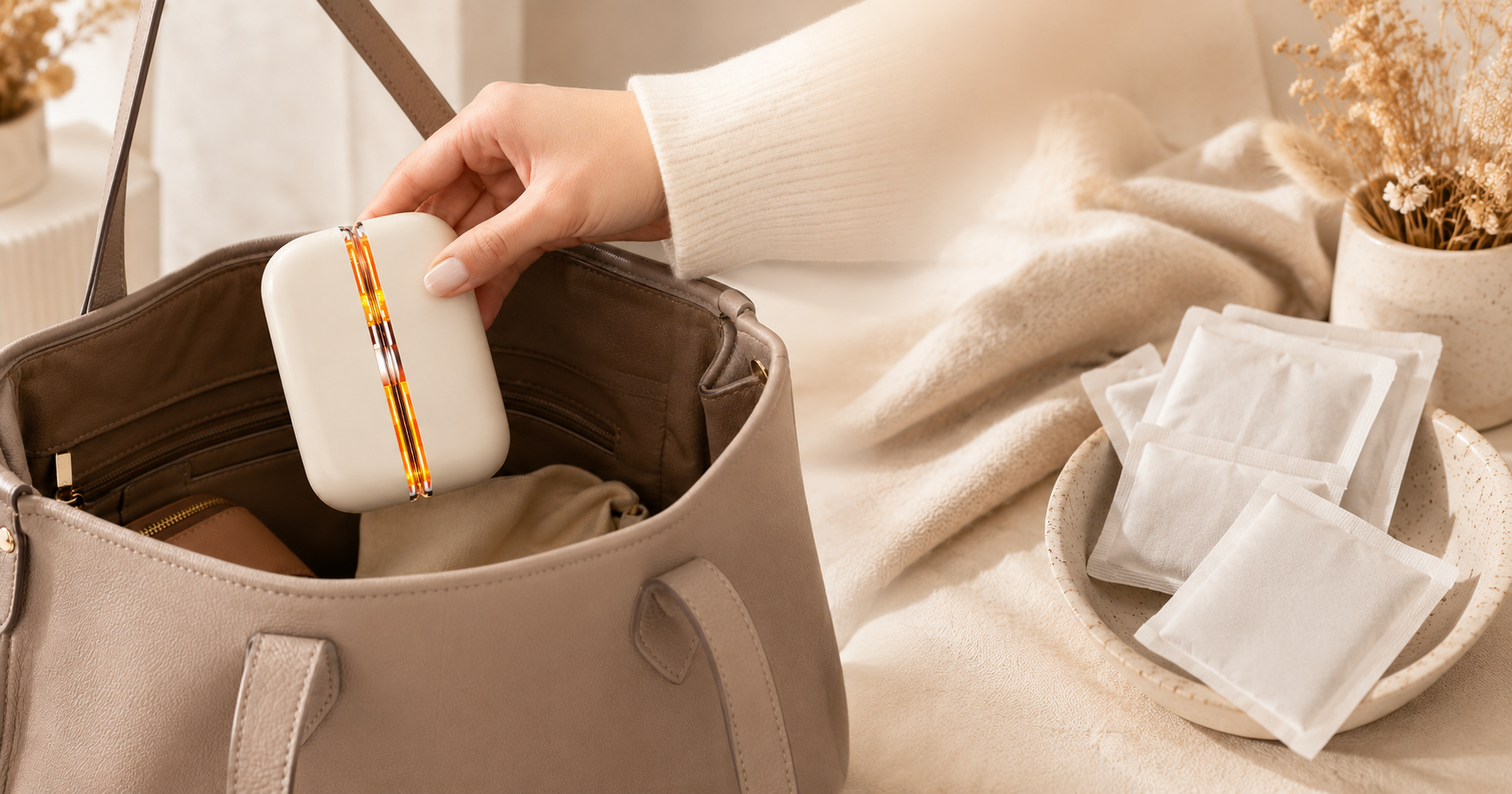
For most Australian winter shoppers, a rechargeable electric hand warmer is the better buy, because it costs roughly one cent to recharge, can be turned up or down, and lasts hundreds of uses, while disposable chemical warmers stay simpler and cheaper to try but cost far more across a full winter and cannot be reused or adjusted.
Key Takeaways
- Cheapest to run over a season: rechargeable. A full recharge costs about one to two cents of electricity, and around $1 or less across a 92-day Australian winter. Buying disposable warmers daily across the same winter costs roughly $130 to $275.
- Cheapest to try once: disposable. At about $1.65 a pair at Bunnings, they need no charging and suit occasional or one-off use such as a single ski trip.
- Best for control and repeat use: rechargeable. Adjustable heat settings, a digital readout on better units, and hundreds of charge cycles. Both types can cause low-temperature burns with prolonged skin contact, so keep either inside a glove or pocket rather than against bare skin, especially while sleeping.
For reusable, adjustable warmth all winter, go with the CapyCosy Twin Hand Warmer. Fast Sydney dispatch and a 1-year Aussie warranty.
The types at a glance
Three main options keep hands warm in winter: rechargeable electric warmers, disposable chemical warmers, and heated gloves. They work differently and suit different buyers. The table below sets out the practical differences.
| Feature | Rechargeable electric | Disposable chemical | Heated gloves |
|---|---|---|---|
| What it is | A lithium-ion battery that heats a metal or plastic surface | A sachet of iron powder that warms by oxidising in air | Gloves with built-in heating wires and a rechargeable battery pack |
| Rough upfront cost (AUD) | About $30 to $120 | About $1.65 a pair, up to about $5 on the snow | About $80 to $300, with premium ski models higher |
| Cost per hour of warmth | A fraction of a cent in electricity | Roughly 15 to 50 cents an hour | A fraction of a cent in electricity |
| Reusable | Yes, hundreds of charge cycles | No, single use | Yes, hundreds of charge cycles |
| Adjustable heat | Yes, multiple settings on most | No, runs at one output | Yes, usually low, medium, high |
| Warmth duration | About 2 to 10 hours per charge depending on setting | About 6 to 10 hours | About 2 to 6 hours per charge |
| Suits sensitive skin | Yes, lower settings plus you can turn it down | Partly, but cannot be turned down | Yes, low setting and fabric layer |
| Best for | Daily winter use, desks, commutes, sharing | Occasional or one-off outdoor use | Active outdoor use, skiing, motorcycling |
The short version: disposable warmers win on simplicity and the lowest entry price. Rechargeable warmers win on running cost, control and reuse. Heated gloves are a specialist choice for people who need warmth and full finger movement outdoors for hours at a time. Australian retailers such as Lenz and Venture Heat sell rechargeable ski and motorcycle gloves with run times of roughly 2 to 6 hours per charge, depending on the heat level.
Cost over a winter
This is where the two types separate most clearly. The Australian Bureau of Meteorology defines winter as the three coldest months, June, July and August, which is 92 days. Cost the two options across that window and the gap is large.
Rechargeable. A rechargeable hand warmer with a 10,000mAh battery holds roughly 0.037 kilowatt hours of energy per full charge. The Australian Energy Regulator's Default Market Offer 2025-26 final determination, published on 26 May 2025, sets the Ausgrid residential reference bill (Sydney, Newcastle and the Hunter Valley) at $1,965 a year, an increase of 8.6%, based on a representative annual use of 3,900 kWh. The usage component of a typical NSW single-rate plan sits at around 34 cents per kWh. At that rate, a full recharge of a 10,000mAh warmer costs about 1.3 cents, so one to two cents per charge. Recharge it every single day for the entire 92-day winter and you spend a bit over $1 on electricity. A smaller 6,000mAh warmer such as the CapyCosy holds about 0.022 kWh, so a full charge costs under one cent and a whole winter of daily charging is around 70 cents.
On top of the electricity you should count the cost of the unit itself spread across its life. Lithium-ion batteries are generally rated for 300 to 500 full charge cycles before capacity drops below about 80 percent (Battery University, BU-801b), which for a seasonal warmer is several winters of use. A $65 warmer used over about five winters works out to roughly $13 a year. Add the cent or so of electricity and the all-in seasonal cost is still well under $15.
Disposable. Disposable warmers cost money every time you open one. In Australia, HotHands sell for about $1.65 a pair at Bunnings, with bulk boxes (a box of 24 pairs for $34.00) bringing the per-pair price down and snowfield prices pushing it up to about $5 a pair. Using a fresh pair every day across the 92-day winter works out to roughly $130 to $275 at typical Australian prices. Use a single warmer a day rather than a pair and it is roughly $65 to $140. Either way, that is a recurring seasonal cost that repeats every year, where the rechargeable unit's main cost is a one-off purchase.
The verdict on cost is clear. If you use a hand warmer regularly through winter, a rechargeable unit is far cheaper across the season. Disposable warmers only win on cost if you use them rarely, because then you avoid the upfront price of a device.
Convenience and control
Disposable warmers are the easiest thing to grab. There is no charging, no battery to flatten and nothing to remember. You tear the packet, shake it, and the iron powder inside starts to oxidise and give off heat within minutes. For a one-off day in the snow or an emergency in the glovebox, that simplicity is genuinely useful. The trade-off is that once a disposable warmer is active you cannot turn it down or switch it off to save it. It runs at whatever output it runs at until the reaction finishes, then it is done.
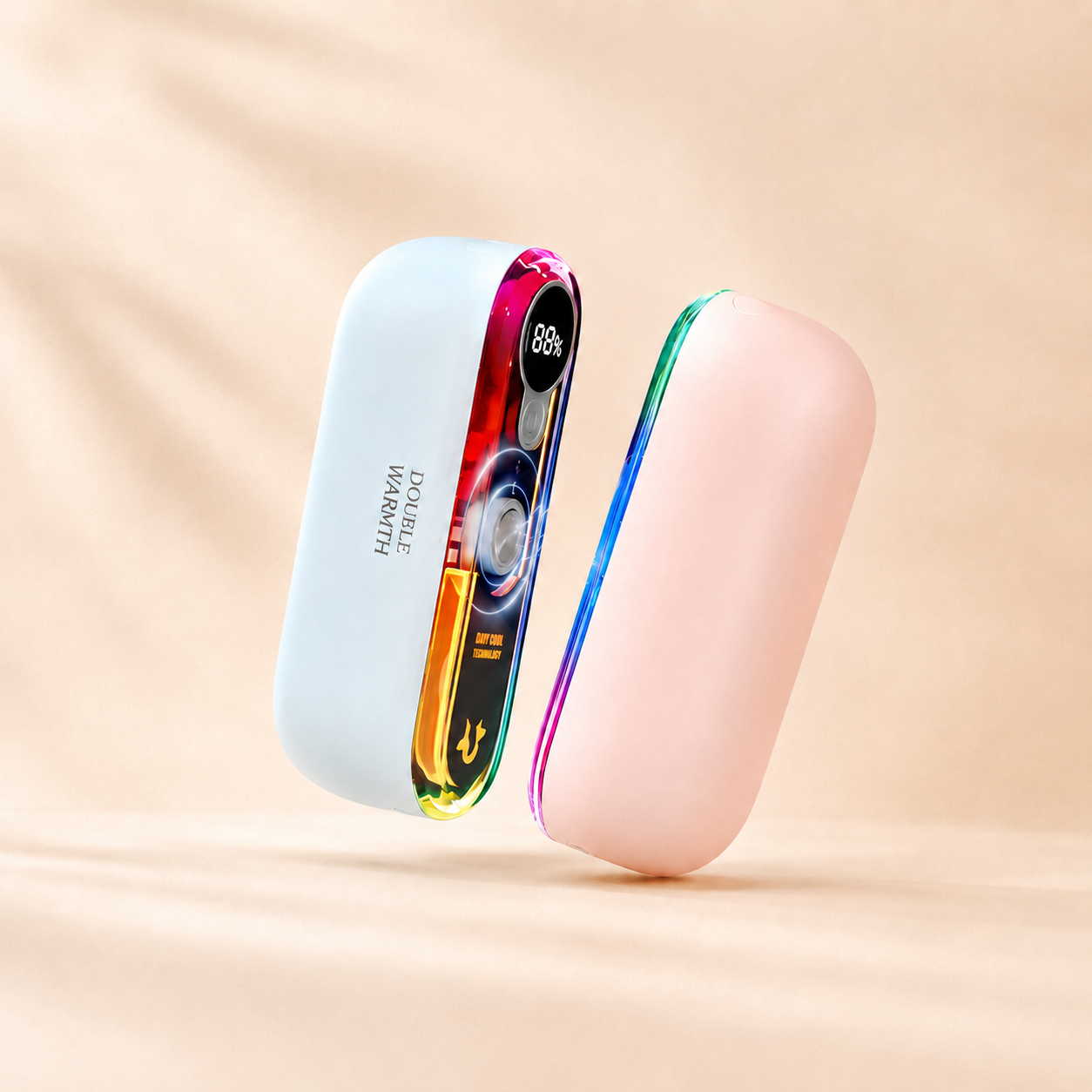
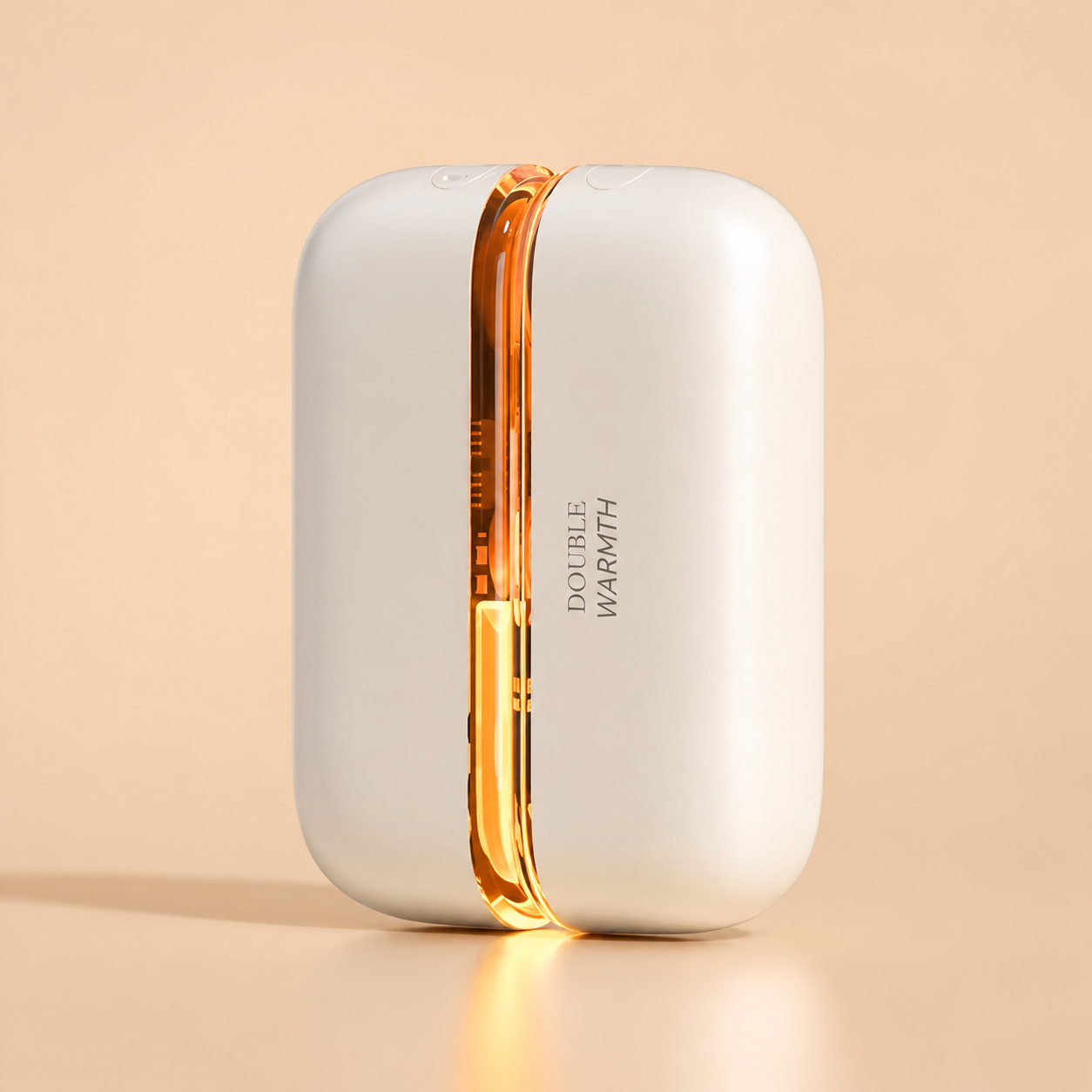
Rechargeable warmers ask for one thing: charge before you head out. In return they give you control. Better units have multiple heat settings and a digital display showing the exact temperature and battery percentage, so you can run a gentle setting at a desk and step up for a frosty morning, then dial back when your hands warm up. You can also turn them off and save the charge for later in the day. The CapyCosy, for example, offers four settings from 45 to 60 degrees Celsius, heats in about two seconds, and shows temperature and battery level on each warmer, with run times from about 5 hours on the lowest setting down to 2.2 hours on the highest.
If you value grab-and-go simplicity above all and only need warmth occasionally, disposable warmers fit. If you want to tune the heat, reuse the device and see what is happening, rechargeable is the better tool.
Waste and reuse
The factual difference is simple. A disposable warmer is used once and then goes in the bin. The iron oxidation reaction is irreversible, so a spent warmer cannot be reset or recharged. Daily winter use means a steady stream of single-use sachets, each replaced the next day.
A rechargeable warmer is the same physical device every time. It is rated for hundreds of charge cycles, typically 300 to 500 before noticeable capacity loss, which across a normal winter is years of repeat use from one purchase. That is the practical reuse difference: one device you keep topping up, versus a consumable you keep rebuying.
Safety
Are hand warmers safe? Both types are safe for most people when used as directed, but both carry the same core risk: low-temperature burns from prolonged direct contact with warm skin.
The science is well established. The international standard ISO 13732-1:2006 sets out the temperature thresholds at which contact with a hot surface causes burns, with the burn threshold converging towards a surface temperature above about 43 degrees Celsius as contact duration increases. Both disposable and electric warmers commonly run with surface temperatures in the 40 to 60 degree range, which is above that threshold. That does not make them dangerous in normal use, but it does mean direct, sustained contact against bare skin should be avoided. There is also a milder condition called erythema ab igne, or "toasted skin syndrome", a net-like skin discolouration caused by repeated exposure to low-level heat below the level that causes a true burn, generally cited in the 43 to 47 degree range.
The safe-use rules are the same for both types:
- Keep the warmer inside a glove or pocket, or wrapped in fabric, rather than pressed against bare skin.
- Do not use a warmer while sleeping. Australian retailers print this warning on disposable packs, alongside advice not to use them on bare skin for extended periods.
- Check your skin periodically if you keep a warmer in one place, roughly once an hour.
- Take extra care, and check with a doctor, if you have reduced sensation or circulation problems such as diabetes, because you may not feel a burn developing.
Two things give a quality rechargeable warmer a safety edge. The first is adjustable heat: you can run a lower setting against more sensitive skin, which a disposable warmer does not allow. The second is a certified, well-made battery. Look for the Regulatory Compliance Mark (RCM), the mark administered in Australia under the Australian Communications and Media Authority (ACMA) and the Electrical Equipment Safety System, which signals the supplier has met Australian electrical and electromagnetic compliance requirements. Quality lithium cells are tested to the international safety standard IEC 62133, which covers overcharge, short circuit and thermal runaway.
The risk with cheap, uncertified battery devices is real. On 15 March 2018 the US Consumer Product Safety Commission announced a recall of about 12,683 Human Creations EnergyFlux 4400mAh and EnergyFlux Slim 4400mAh combination units sold on Amazon.com from October 2015 to February 2016 for about $30 each, after two reports of the devices overheating and catching fire. No injuries were reported, but the recall is a reminder that a lithium battery held against your body should come from a supplier you can identify and contact. Good rechargeable warmers also include auto shut-off and overheat protection. The CapyCosy lists both, along with a 12-month Australian warranty handled from Sydney.
Verdict by use case
Daily winter use. Rechargeable. Lower running cost, adjustable heat and reuse make it the clear pick for commuters, cold offices and anyone who reaches for a warmer most days. The seasonal saving over disposable warmers pays for the device quickly.
Occasional or one-off use. Disposable can make sense. If you only need warmth for a single ski day or keep a couple in the car for emergencies, the low entry price and zero charging are convenient, and you avoid buying a device you rarely use.
Health conditions (Raynaud's, poor circulation, menopausal cold flushes). Rechargeable, with care. Steady, adjustable warmth you can keep at a comfortable level suits these uses well. Run a lower setting, keep a fabric layer between the warmer and bare skin, and check your skin if sensation is reduced. Hand warmers are not medical devices.
Gifting. Rechargeable. A reusable warmer with a display and a warranty makes a more lasting gift than a box of consumables, and a twin pack means the recipient can share one.
For daily winter use, the best hand warmer for most Australians is a quality rechargeable electric unit. Disposable warmers remain a fair pick for rare or one-off use. Heated gloves are worth the higher price only if you need long, hands-free warmth outdoors.
FAQ
Are rechargeable hand warmers worth it?
For regular winter use, yes. A rechargeable hand warmer costs about one to two cents of electricity per full charge and around $1 or less to run across a 92-day Australian winter, based on the Australian Energy Regulator's 2025-26 pricing and a typical NSW usage rate of about 34 cents per kWh. It is reusable for hundreds of charge cycles and lets you adjust the heat. Buying disposable warmers daily across the same winter costs roughly $130 to $275. If you only need a warmer occasionally, a disposable pack is cheaper to try.
Are disposable warmers cheaper?
Only for one-off use. A pair of disposable warmers costs about $1.65 at Bunnings, so for a single day they are cheaper than buying a device. Across a full winter of daily use they cost roughly $130 to $275, which is far more than the dollar or so of electricity a rechargeable warmer uses over the same period. Disposable warmers are a recurring cost; a rechargeable warmer is mostly a one-off purchase.
Which is safer?
Both are safe when used as directed, and both can cause low-temperature burns with prolonged direct skin contact, because both commonly run above the 43 degree threshold that ISO 13732-1:2006 identifies for contact burns. Keep either type inside a glove or pocket rather than against bare skin, and do not use one while sleeping. A quality rechargeable warmer has two safety advantages: you can turn the heat down, and a certified unit carries the RCM mark and uses cells tested to IEC 62133. Avoid cheap, uncertified battery devices, which have been recalled overseas for overheating.
How long does each type last?
Per use, a disposable warmer gives about 6 to 10 hours of heat, and a rechargeable warmer gives about 2 to 10 hours per charge depending on the heat setting. Over its life, a disposable warmer is single use and then discarded, while a rechargeable warmer is rated for roughly 300 to 500 charge cycles, which is several winters of use from one device.
For reusable, adjustable warmth all winter, go with the CapyCosy Twin Hand Warmer. Fast Sydney dispatch and a 1-year Aussie warranty.











Share:
How Do Waist Fans Work? The Science of Body Cooling
Best Hands-Free Fans: Waist vs Neck Fans Compared