



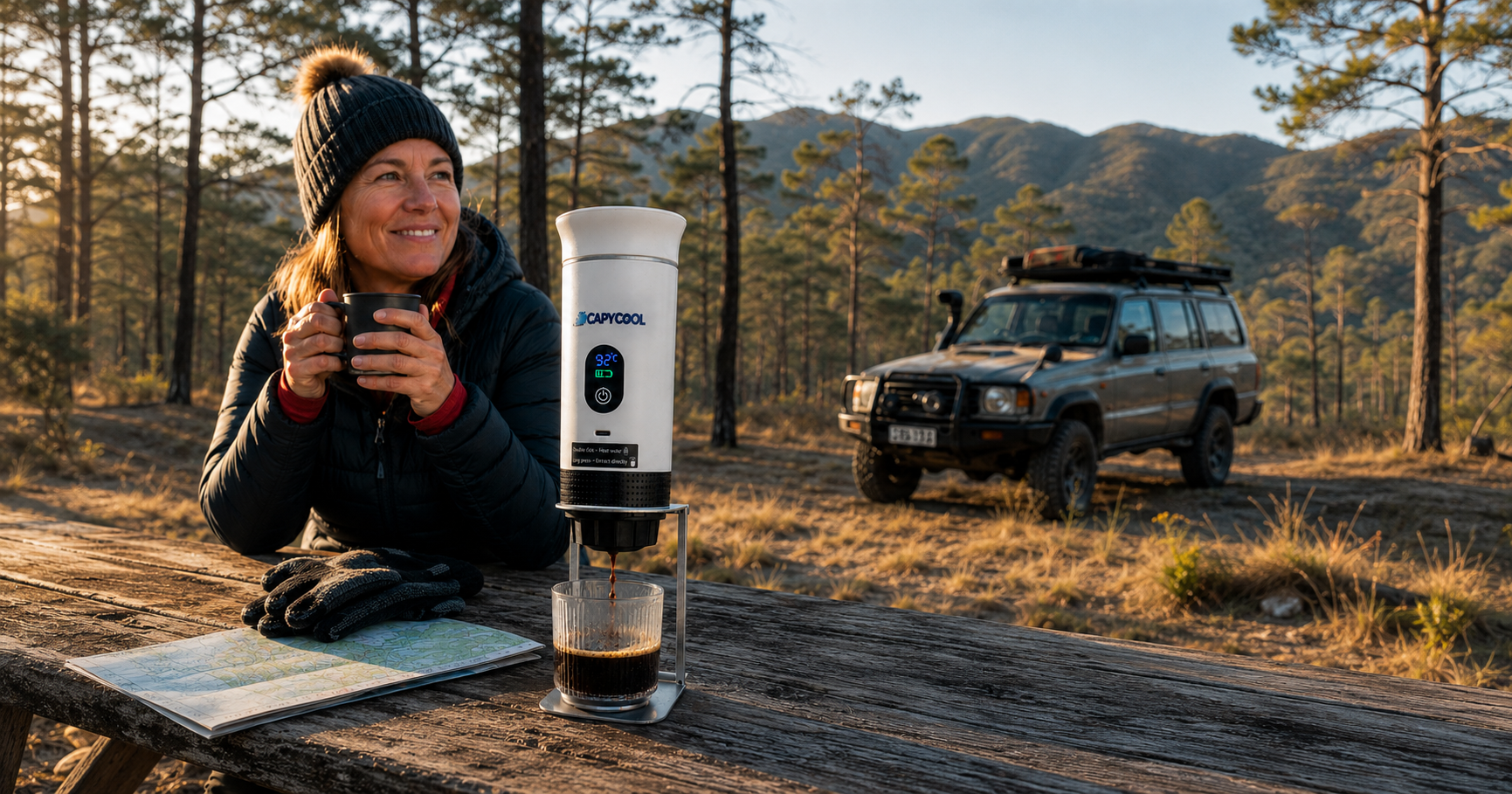
Cold mornings, clear skies, quiet campsites and coffee with a view: winter can be one of the best times to go camping in Australia. The difference between a brilliant winter escape and a very long, very cold night usually comes down to what you pack.
A good winter camping setup should do four things well: keep you warm, keep you dry, keep essential equipment powered and help you stay prepared when conditions change.
That does not mean filling your vehicle with every gadget ever advertised. It means choosing a reliable sleep system first, then adding a few practical upgrades that make cold mornings, dark evenings and time away from mains power much easier.
Below are seven winter camping essentials worth considering for tent camping, caravan trips, camper trailers, 4WD touring and relaxed weekends outdoors. Some are true safety essentials. Others simply make camp life much more enjoyable—which matters when the temperature drops and nobody wants to leave the sleeping bag.
Start with an insulated sleep system
Your sleeping bag is only one part of staying warm. What sits underneath you can be just as important.
When you lie inside a sleeping bag, your body compresses the insulation underneath you. That reduces its ability to trap warm air, while the cold ground continues drawing heat away from your body. A thick-looking air mattress with little or no insulation can therefore feel surprisingly cold in winter.
Build your sleep setup as a complete system: a weather-appropriate tent, an insulated sleeping mat and a sleeping bag rated for the conditions you reasonably expect.
- Choose a sleeping bag with a clearly stated comfort rating rather than relying only on an “extreme” temperature figure.
- Look for an insulated mat with an R-value suitable for colder ground temperatures.
- Use a dry sleeping-bag liner for extra comfort and to help keep the bag clean.
- Pack a beanie and dedicated dry sleeping clothes that are not worn around a damp campsite.
- Keep tomorrow’s base layer nearby so you do not have to search through a cold vehicle at sunrise.
Car and caravan campers
You have more room to work with, so consider a thicker insulated mat, a proper camping pillow and an additional insulated blanket. Comfort is not cheating.
Hikers and lightweight campers
Pay close attention to warmth-to-weight ratios. A lightweight sleeping bag cannot compensate for an uninsulated mat placed directly over frozen or very cold ground.
Pack rechargeable hand warmers
Small enough to live in your jacket, useful enough to become the gadget everyone asks to borrow.
Cold fingers can make simple campsite jobs frustrating. Tent clips, zippers, stove controls, camera buttons, fishing gear and vehicle keys all become harder to manage when your hands feel stiff.
Rechargeable hand warmers give you heat when you need it without waiting for a disposable pack to activate. Keep one in each pocket while setting up camp, use them during an early morning walk, or hold one while sitting outside after sunset.
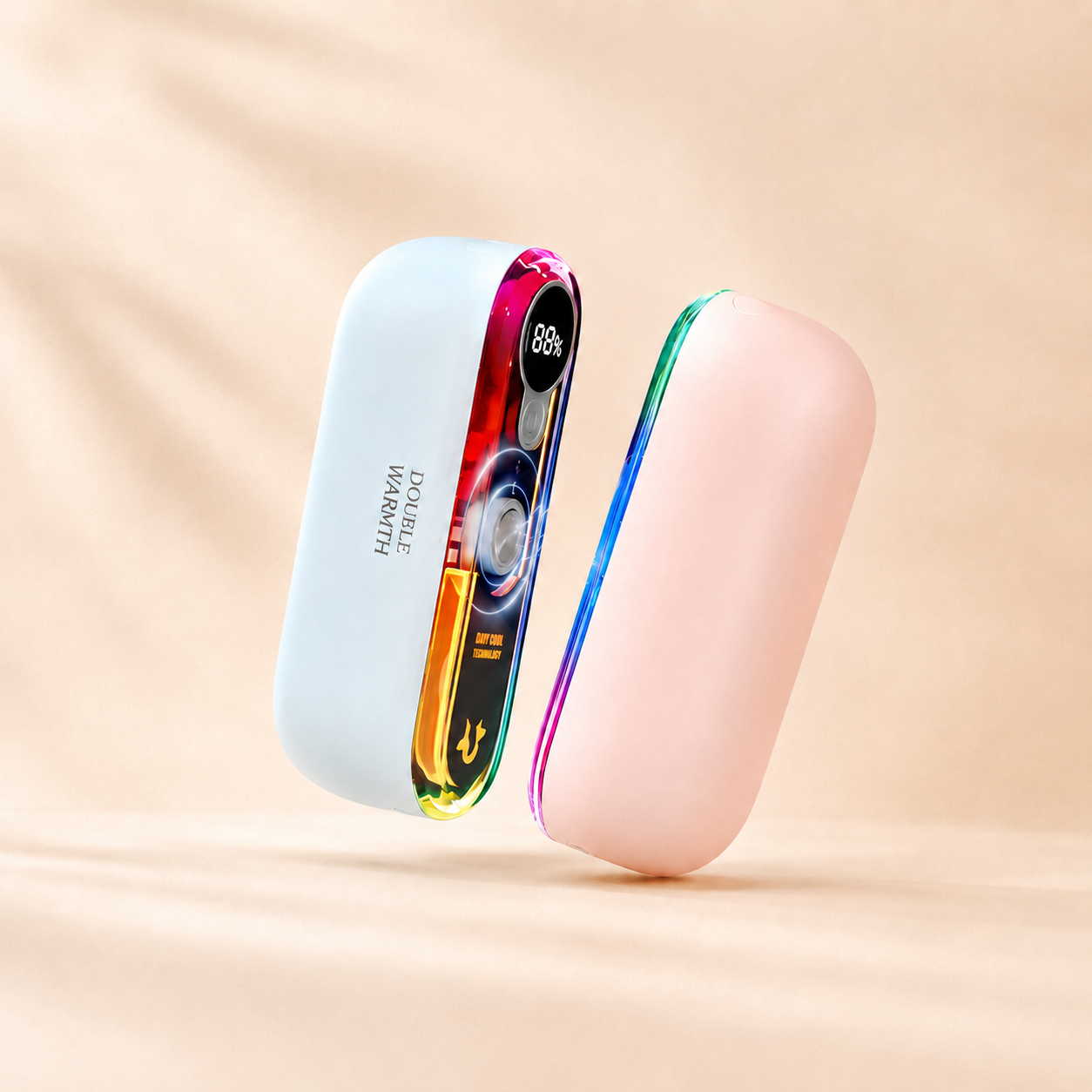
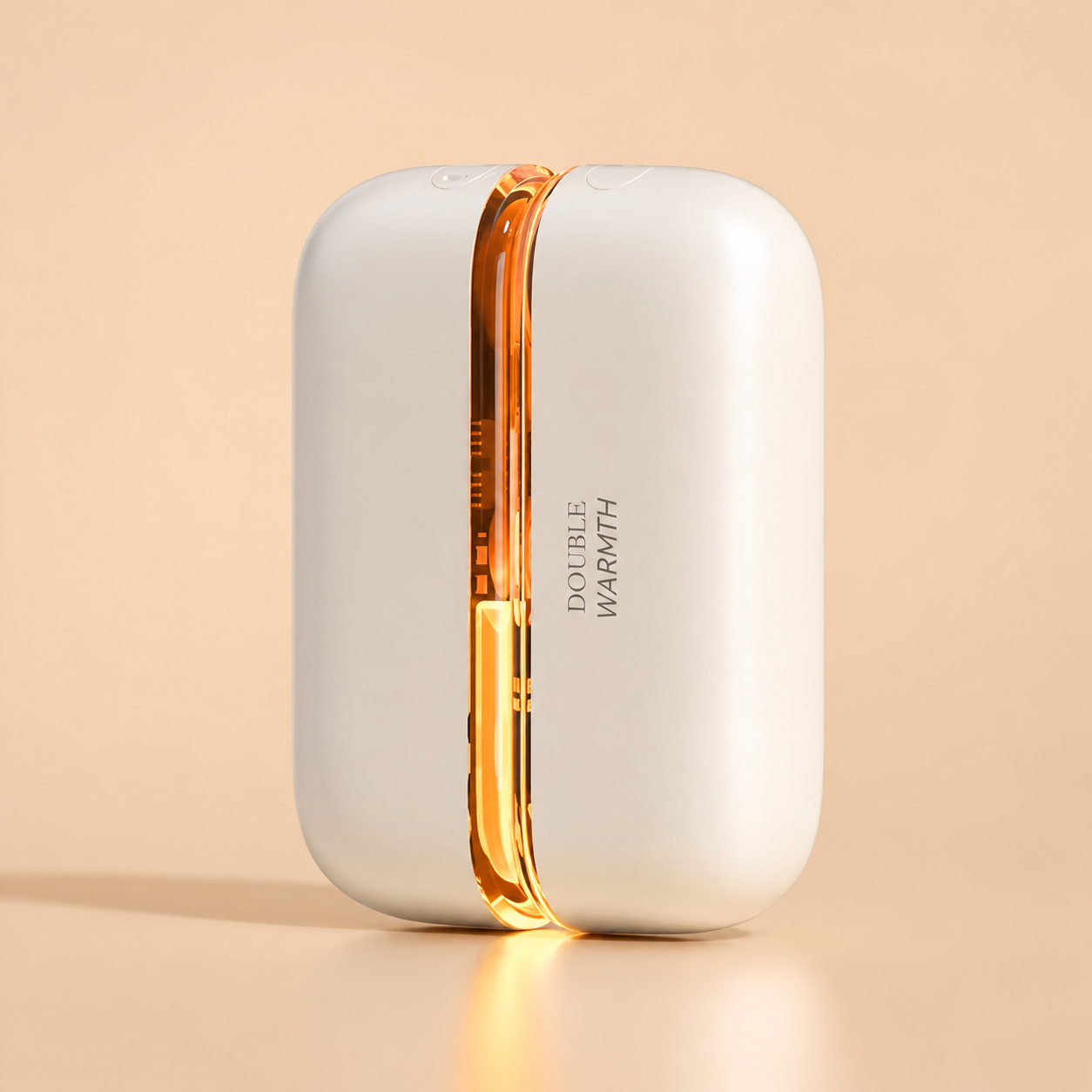
CapyCool currently offers two twin-pack options, depending on whether you prefer fuller palm-filling warmth or something slimmer for everyday carry.
| Model | Best for | Key differences |
|---|---|---|
| CapyCosy Twin Hand Warmer | Holding around camp, cold sidelines, desk use and fuller hand warmth. | Two magnetic warmers, four settings from 45°C to 60°C, digital temperature and battery displays, and approximately two-second heat-up. |
| CapySlim Dual Hand Warmer | Jacket pockets, gloves, hiking, travel and people who prefer less bulk. | Two warmers, each under 80g and 22mm thick, with adjustable warmth and an estimated 8–20-hour runtime depending on the selected heat level. |
Which CapyCool hand warmer should you choose?
Pick CapyCosy when you want a more substantial warmer to wrap your fingers around. Pick CapySlim when pocket space and low weight matter most. Both products come as a pair, because warming one hand while the other freezes is not our idea of clever technology.
Use heated products carefully
Start on a lower temperature, especially when placing a warmer inside a glove or close to your skin. People with sensitive skin or reduced sensation should use a fabric layer, check their skin regularly and stop using the warmer if it feels uncomfortable. Hand warmers are comfort products, not medical devices.
Bring a portable coffee maker
Is coffee technically survival equipment? We will let the campsite decide.
There is something particularly good about a proper coffee on a cold morning outdoors. The air is crisp, the campsite is quiet and the nearest café may be two hours away—or still asleep.
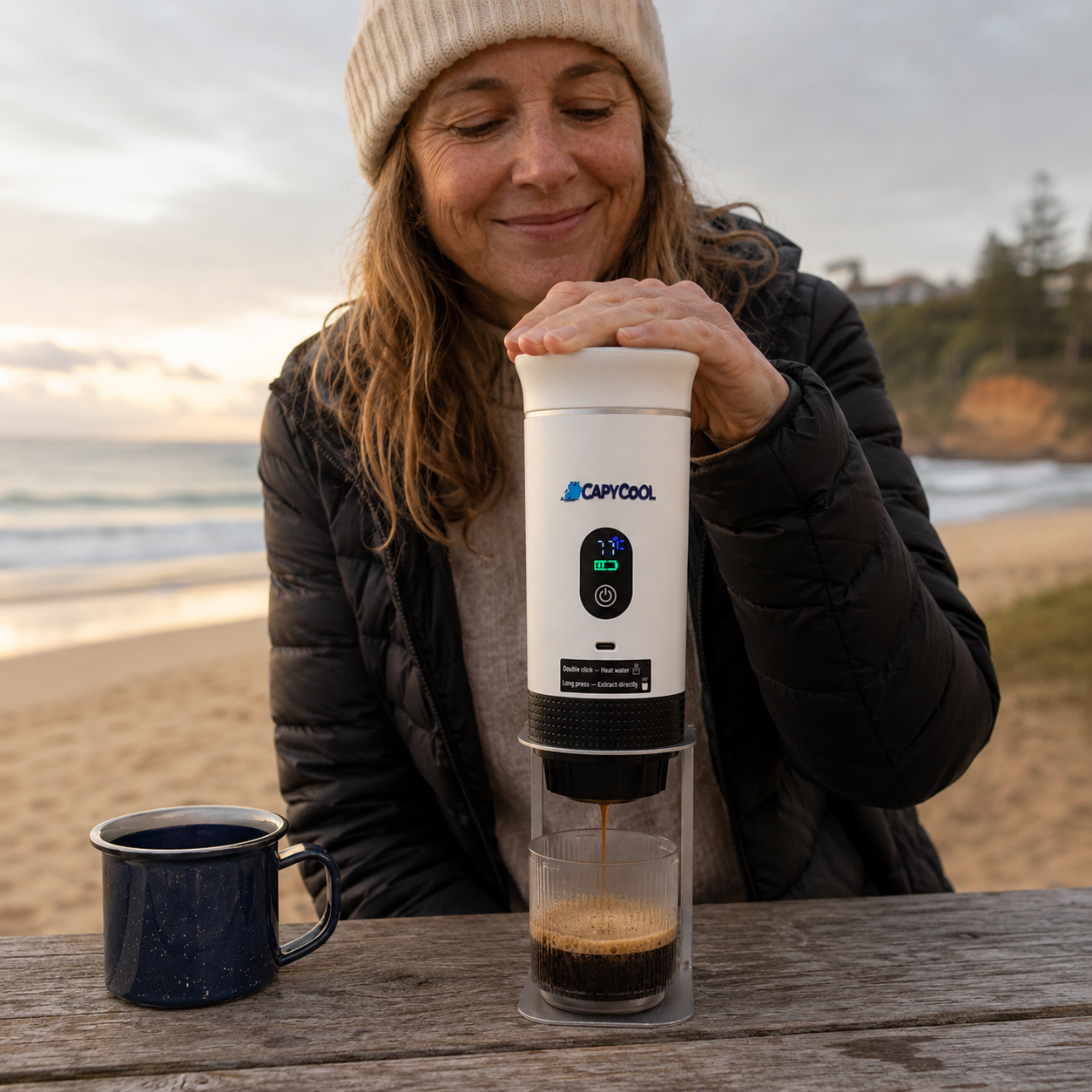
A portable coffee maker gives you more options than instant coffee without requiring a full benchtop setup. Our CapyPress 3-in-1 Portable Coffee Machine works with ground coffee, Nespresso Original-compatible capsules and Dolce Gusto-style pods.
It can heat cold water itself, which is helpful when you do not have a kettle ready. For better battery efficiency, however, you can add pre-heated water from your camp stove or insulated flask and use the machine primarily for extraction.
- Pack your chosen coffee, capsules or pods in a dry container.
- Bring a reusable cup with a lid to keep your drink warmer for longer.
- Use pre-heated water when practical to reduce battery use.
- Clean the coffee chamber after brewing rather than leaving grounds inside all day.
- Store the machine and accessories together so small adapters do not disappear into your camp kitchen.
Camp coffee without the café queue
The CapyPress uses a rechargeable 7500mAh battery and 20-bar extraction. Starting with cold water, it can make approximately three to five self-heated coffees per charge. When supplied with pre-heated water, it can complete considerably more extractions because it is not using most of its energy to boil the water.
Carry a dependable power bank
Your phone is now your map, camera, weather checker, torch, booking confirmation and emergency communication device. Keep it powered.
Batteries can drain faster in cold conditions, particularly when devices are left overnight in a cold vehicle or tent vestibule. A charged power bank gives you a backup for phones, headlamps, watches, hand warmers, small speakers and other USB-powered camping gear.
Capacity matters, but it is not the only specification worth checking. Look at the available output ports, supported charging protocols, total wattage and whether the unit can charge multiple devices at once.
For an overnight trip
A compact 10,000mAh unit may be sufficient for phone top-ups and a few smaller devices, depending on their batteries and how heavily you use them.
For longer trips
Consider a larger battery system, vehicle-mounted auxiliary power or a portable power station. Calculate expected daily usage rather than relying on the biggest number printed on the box.
- Fully charge every device and battery before leaving home.
- Pack the correct charging cable for each device.
- Keep batteries dry and protected from physical damage.
- Avoid placing lithium batteries directly beside intense heat or an open flame.
- Keep critical communication devices separate from entertainment devices so a movie does not use your emergency phone reserve.
A compact option for smaller devices
CapyCool’s Mini Powerbank 10,000mAh is an easy addition to a day pack, glovebox or campsite charging kit.
Consider an off-grid connectivity setup
Disconnecting can be wonderful. Having the option to reconnect can be very useful.
Many campsites have limited or no mobile reception. That may be exactly what you want for a quiet weekend, but connectivity can still be valuable for longer trips, remote work, updated weather information or keeping in contact with family.
Starlink Mini has become an increasingly popular option for caravans, 4WDs and off-grid camps because it provides satellite internet in a relatively compact package. It can also turn a cold campsite evening into an outdoor movie night—provided you have planned your power consumption and downloaded a backup movie in case the weather or surroundings affect your connection.
Starlink publishes average Mini power consumption of approximately 25–40 watts. That means it should be treated as a meaningful continuous load on your battery system, not as a tiny USB gadget. Your real runtime will depend on the size and condition of your battery, other connected loads, conversion losses and how long you operate the service.
A useful upgrade from our friends at Campalot
The Campalot Starlink Mini Anderson Plug 12V Power Supply is designed to connect a Starlink Mini directly to a compatible 12V battery setup through a standard grey Anderson plug.
It converts a 9–28V DC input to a stable 30V DC output, reducing the need to run the system through a separate mains inverter. Campalot offers a standard plug-and-play version as well as an option with wireless remote switching, allowing the Starlink to be turned on or off from inside a van, tent or vehicle cab.
Plan your Starlink battery use
A simple planning calculation is:
At an illustrative 35W average, four hours of use would consume roughly 140Wh before allowing for conversion losses or other devices.
Switch the system off when you do not need it rather than leaving it running throughout the night. Position and operate all equipment according to the manufacturer’s instructions, and make sure cables cannot become a trip hazard around camp.
Connectivity does not replace preparation
Satellite internet can be useful, but no communication system should be treated as infallible. Download maps, carry appropriate emergency equipment, tell someone your plans and follow local advice for the area you are visiting.
Use rechargeable camp lighting—and pack a backup
Winter gives you less daylight, so reliable lighting becomes important earlier in the evening.
A good camp lighting setup normally includes two different types of light: a headlamp for tasks and a lantern for illuminating a shared space.
Headlamps keep both hands free while you cook, organise the tent, find something in the vehicle or walk to campground facilities. A diffused lantern produces softer, wider light around a table or shelter without pointing a harsh beam into everyone’s face.
- Choose a headlamp with more than one brightness setting.
- Use lower brightness where possible to conserve battery life.
- Consider a red-light mode for moving around camp without creating as much glare.
- Keep a small backup torch somewhere easy to reach.
- Recharge lighting during the day instead of discovering an empty battery after dark.
Some larger camping lights can also function as area lights, emergency flashers or charging hubs. Those features can be useful, but a simple dedicated headlamp should still be within reach of each camper.
Pack proper layers and a cold-weather safety kit
Clever gadgets make camping more comfortable, but warm, dry clothing and basic safety equipment remain the real essentials.
Winter weather can change quickly, particularly in alpine and exposed areas. Your clothing system should allow you to add or remove layers as your activity level and the weather change.
Base layer
A moisture-managing layer worn close to the body. Merino and suitable synthetic fabrics are common choices for cold outdoor conditions.
Insulating layer
Fleece, wool or an insulated jacket helps retain warmth by trapping air around your body.
Outer layer
A windproof and waterproof shell protects your insulating layers from rain, wind and wet vegetation.
Dry spares
Pack extra socks, gloves and a dry set of clothing in a waterproof bag. Once an important layer becomes wet, a spare can make a major difference.
Avoid relying on cotton for cold, wet or alpine conditions. Cotton holds moisture and can remain cold against the body.
Your safety kit should suit the destination
- A well-stocked first-aid kit.
- An emergency blanket or space blanket.
- Sufficient drinking water and food, including an emergency reserve.
- Offline maps or a physical map where appropriate.
- A whistle, backup light and reliable fire-starting method where fires are permitted.
- Vehicle recovery equipment for remote 4WD trips.
- Required snow chains and suitable alpine equipment when travelling into regulated snow areas.
- Any personal medication, stored correctly and kept accessible.
Know when to change your plans
No piece of gear makes dangerous weather safe. Set up camp before you become cold, wet and exhausted. If conditions deteriorate, roads close or your equipment is not suitable for the forecast, turn back or choose a safer location.
Don’t forget your little campers
Keeping the little ones warm, dry and comfortable is essential for a good winter adventure—for them and everyone sharing the campsite.
Children can feel the cold quickly, especially during quiet mornings, long drives and evenings when they are no longer running around camp. Pack several light layers that can be added or removed as conditions change, along with dry spares for the inevitable puddle, spill or muddy campsite discovery.
- Pack a comfortable base layer, warm jumper and weather-resistant outer layer.
- Bring spare socks, gloves and a beanie in a waterproof bag.
- Change wet or damp clothing as soon as practical.
- Pack warm sleepwear that is reserved for bedtime.
- Check that clothing still allows children to move, play and explore comfortably.
Warm layers for the smallest adventurers
Looking for something cosy with a little more personality? Baby Goes Retro has a charming collection of winter baby clothes for keeping little adventurers comfortably rugged up throughout the colder months.
A practical winter camping packing checklist
Every destination is different, but this condensed checklist is a useful starting point:
Warmth and shelter
- Suitable tent and groundsheet
- Insulated sleeping mat
- Cold-rated sleeping bag
- Dry sleeping clothes
- Beanie, gloves and spare socks
- Rechargeable hand warmers
Power and technology
- Charged phone
- Power bank or power station
- Headlamp and lantern
- Correct charging cables
- Offline maps
- Starlink equipment, if required
Food and comfort
- Camp stove and permitted fuel
- Food and emergency snacks
- Drinking water
- Insulated cup or flask
- CapyPress and coffee supplies
- Weatherproof camp seating
Safety and preparation
- First-aid kit
- Emergency blanket
- Weather and road checks
- Trip plan shared with someone
- Vehicle recovery equipment
- Destination-specific safety gear
Winter camping FAQs
A few common questions to answer before packing the car.
What are the most important winter camping essentials?
Start with shelter, an insulated sleeping mat, a sleeping bag rated for the expected conditions, warm layered clothing, water, food, reliable lighting, navigation and a first-aid kit. Comfort gadgets should be added after these fundamentals are covered.
How do I stay warm while sleeping in a tent?
Insulate yourself from the ground with an appropriate sleeping mat, use a suitably rated sleeping bag, change into completely dry clothes and wear a beanie if needed. Avoid breathing inside the sleeping bag because moisture from your breath can dampen the insulation.
Is an air mattress warm enough for winter camping?
Not necessarily. A mattress can feel soft while providing little thermal insulation. Check whether it has a published R-value or insulation specification. In cold conditions, an insulated camping mat may be warmer than a thick but uninsulated air bed.
Are rechargeable hand warmers useful for camping?
Yes. They are useful during setup, early walks, cold evenings and any task requiring finger movement. Runtime varies by product, temperature setting and ambient conditions, so charge them before departure and keep another warming method available.
Which CapyCool hand warmer is better for camping?
CapyCosy is better suited to people who want fuller, palm-filling warmth around camp. CapySlim is lighter and thinner, making it easier to carry in a jacket, day pack or suitable glove. Both models include two separate warmers.
Can I make espresso while camping?
Yes. A rechargeable portable machine such as the CapyPress can use ground coffee or compatible capsules without access to a wall outlet. Adding pre-heated water helps preserve battery capacity compared with heating every cup from cold.
How large should my camping power bank be?
Add up the approximate battery capacity or watt-hour use of the devices you expect to charge each day, then allow a buffer for conversion losses and unexpected use. A 10,000mAh power bank can suit phone top-ups and smaller devices, while longer trips or laptops may require a larger power station or auxiliary battery system.
Can Starlink Mini run from a 12V camping battery?
It can be powered from a suitable battery system when used with compatible voltage conversion equipment and wiring. The Campalot converter is designed to accept a 9–28V DC input through an Anderson plug and provide a 30V output for Starlink Mini. Confirm that your battery, cabling and protection are appropriate for the intended load.
How much power does Starlink Mini use?
Starlink currently lists average Mini power consumption at approximately 25–40W. Actual consumption and battery runtime can vary with operating conditions, network use, equipment and conversion efficiency.
Should I rely on Starlink or my phone in an emergency?
No single communication method should be your entire emergency plan. Coverage, equipment damage, battery failure and weather can all create problems. Share your route, download offline information and carry destination-appropriate emergency communication equipment.
What clothing should I avoid for cold, wet camping?
Cotton is generally a poor choice for cold and wet conditions because it absorbs moisture and can remain cold against the body. Merino wool and suitable synthetic layers manage moisture more effectively, while a waterproof and windproof outer shell helps keep those layers dry.
Is winter camping safe for beginners?
It can be when the destination, forecast and equipment suit your experience. Beginners should start at an accessible campground close to facilities and avoid remote or alpine conditions until they have tested their gear and developed the necessary skills.
Stay warm, stay powered and enjoy the quiet
Winter camping does not have to mean spending the entire trip shivering beside the car. Start with a reliable shelter and sleep system, bring proper layers, then add smart comforts such as rechargeable hand warmers, portable coffee and dependable off-grid power.
Pack carefully, respect changing conditions and leave enough battery for one last coffee in the morning.
This article provides general camping information only. Conditions and requirements vary by location. Always check official weather forecasts, park alerts, fire restrictions, road conditions and equipment instructions before travelling. Product specifications and availability may change.










Share:
How to Stay Cool While Travelling: The Hot Destination Packing Guide
How to Keep Cool in a Car Without A/C: Real Driver Setups