




A customer recently left a review that stayed with us. (Thank you Dakota!) She has lived with Raynaud's since she was twelve, and shared that on cold days her twin hand warmers now go everywhere with her — one in each pocket. Her experience is why we wanted to look more closely at the condition, and at where everyday warmth can honestly fit.

Raynaud's is more common than many people realise. It can be dismissed as simply having cold hands, but cold-triggered episodes can be genuinely uncomfortable. Keeping warm is one of the first practical steps Australian health guidance recommends. Here is what the research says about the condition, and where a hand warmer honestly fits.
What is Raynaud's phenomenon?
Raynaud's phenomenon (also called Raynaud's syndrome or Raynaud's disease) is an exaggerated response to cold or stress in the small blood vessels of the fingers and toes, and sometimes the ears, nose and lips. When most people get cold, the body narrows the blood vessels near the skin to keep warm blood around the core. In Raynaud's, that normal response goes into overdrive, and blood flow to the fingers drops sharply.
The classic sign is a colour change during an attack. Fingers can turn pale or white as blood flow falls, then blue as the remaining blood loses oxygen, then red and often throbbing as warm blood rushes back on rewarming. Attacks can bring numbness, tingling, cold and pain, and can last from a few minutes to over an hour.
There are two broad types. Primary Raynaud's happens on its own, with no underlying disease, and is usually milder. Secondary Raynaud's is linked to another condition, most often an autoimmune one such as scleroderma or lupus, and tends to be more severe. Primary is far more common. Because the secondary form can be a sign of something that needs treatment, a first episode or a clear change in pattern is worth discussing with a doctor.
How common is it?
Raynaud's is one of the more common vascular quirks in the general population. A large review that pooled 33 studies and more than 33,000 people put the global prevalence of primary Raynaud's at about 4.85 per cent, with roughly one in 400 people developing it each year (Garner et al., BMJ Open, 2015). On a full train carriage, several people are likely to have it.
It is more common in women, in people with a family history, and in smokers, and is reported more often by people who also get migraines (Garner et al., 2015).
Australia does not have a single clean national figure for primary Raynaud's, but Australian research gives a strong signal on how much weather drives it. The Australian Scleroderma Cohort Study followed close to 2,000 people with systemic sclerosis across more than 9,000 visits. Worsened Raynaud's in the previous month was reported at about 27 per cent of visits. Lower outdoor temperature and higher humidity were each independently linked to worse symptoms, and the researchers concluded that keeping warm and dry plays an important role in managing the condition (Taylor et al., 2025).
Why cold sets it off
The trigger is temperature, and sometimes emotional stress. When skin cools, the sympathetic nervous system tightens the small muscles in the walls of blood vessels near the surface, narrowing them to send warm blood back to the core and protect the vital organs. This is normal. Hands and feet feel it first because they have a large surface area for their size and a dense network of surface blood vessels.
In Raynaud's, that vessel narrowing is stronger and lasts longer than it needs to. A minor chill, moving from a warm room to a cold one, taking food out of the freezer, or holding a cold drink can be enough to set off an attack. That is why the practical advice is consistent across the board: reduce the cold triggers, and keep the hands warm.
What actually helps: keeping warm
For the everyday management of cold-triggered symptoms, keeping warm is first on the list. Australian clinical guidance from Musculoskeletal Health Australia, Scleroderma Australia and the Australasian College of Dermatologists is consistent: keep the whole body warm, with particular attention to the hands and feet, to reduce how often attacks happen and how severe they are. Warmth is described as a first-line, non-pharmacological measure, which means it is one of the simple things recommended before or alongside medication.
The Australian research points the same way. The Scleroderma Cohort Study found colder, more humid conditions worsened symptoms, and pointed to warm, dry hands as a sensible goal (Taylor et al., 2025).
In practice, keeping warm usually means a layered approach:
- Keep the core warm, not only the hands. The body pulls heat away from the fingers to protect the core, so warm layers on the body help your hands too.
- Wear gloves or mittens, and put them on early. Before you get cold works better than after.
- Warm the hands gradually. Steady, comfortable warmth is easier on the fingers than swinging between very cold and very hot.
- Reduce sudden cold exposure where you can. An insulated cup for cold drinks, or gloves to reach into the freezer, cut out small daily triggers.
- Avoid smoking. Nicotine narrows blood vessels, which works against you.
None of this cures Raynaud's. It is about reducing the triggers and staying comfortable through winter.
Where a hand warmer fits
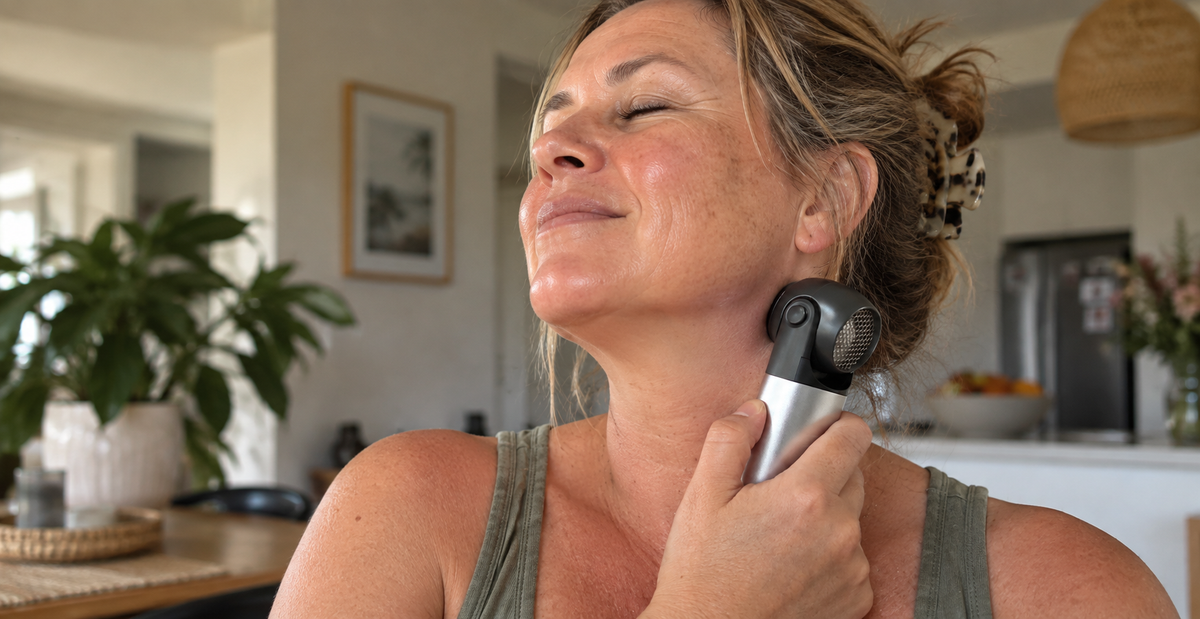
A hand warmer is one simple way to keep your hands warm, which is exactly the thing the guidance points to. It does not treat the underlying condition, and it is not a medical device. What it does is give you a steady, adjustable source of warmth you can carry, so you have a practical option for keeping your hands comfortable when the cold catches you.
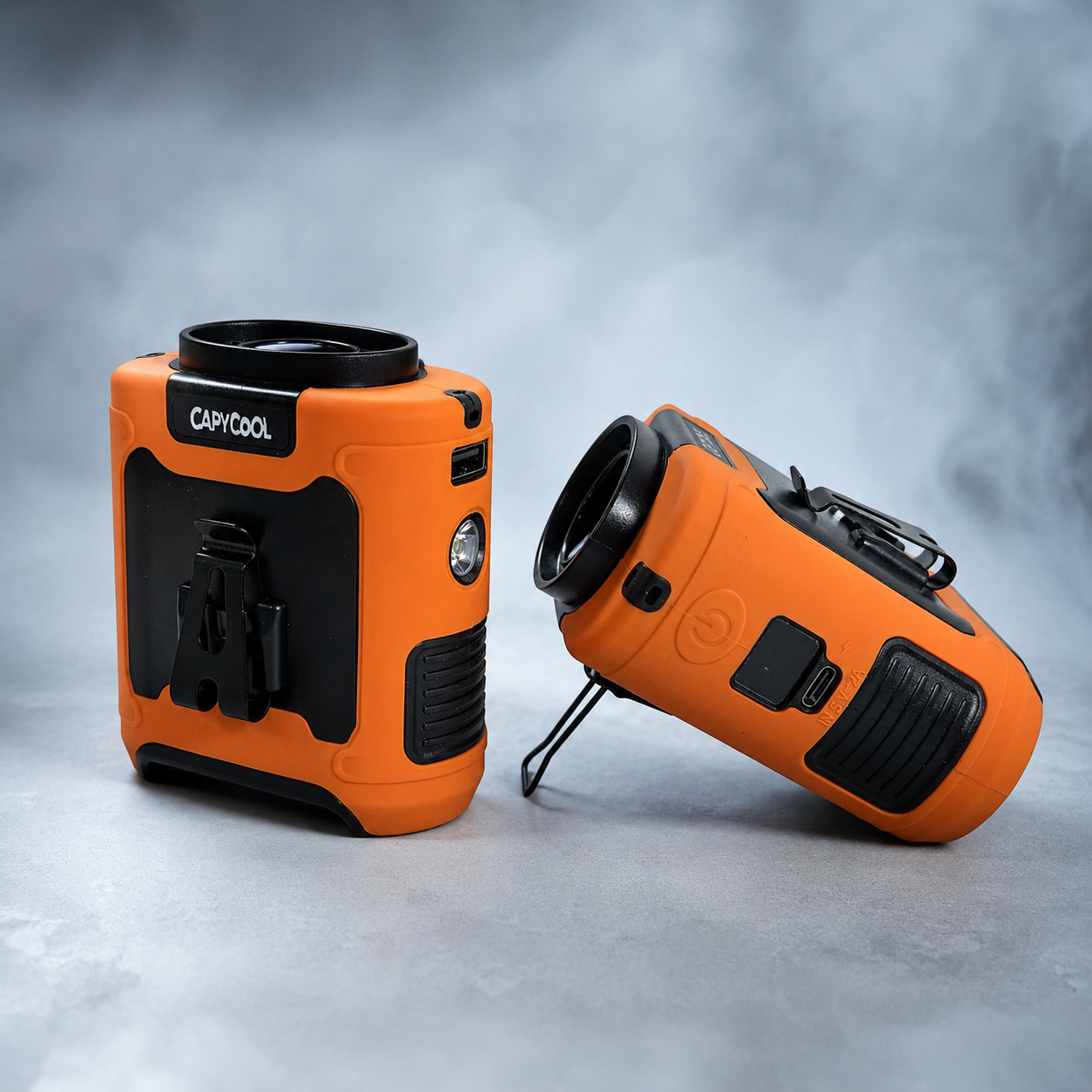
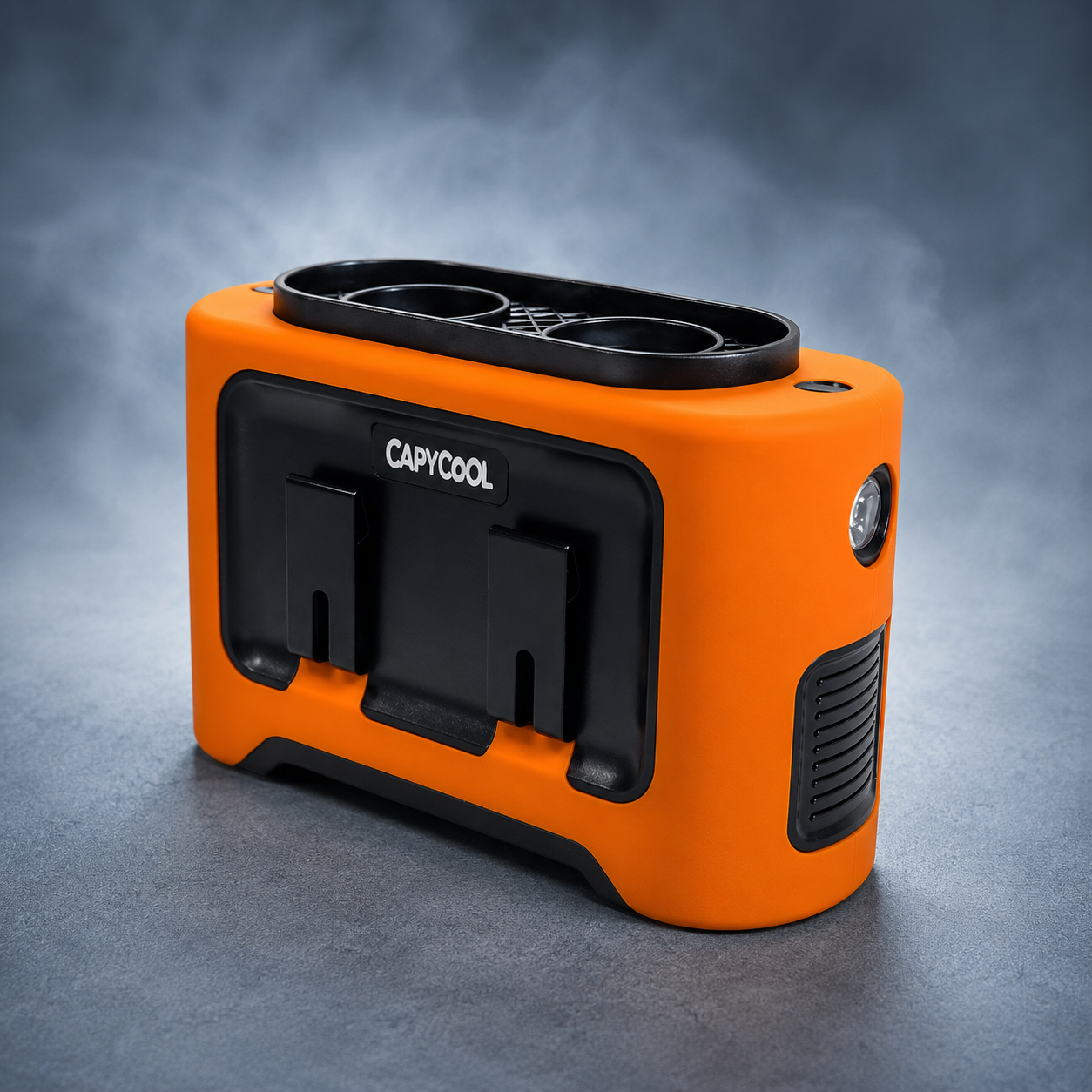
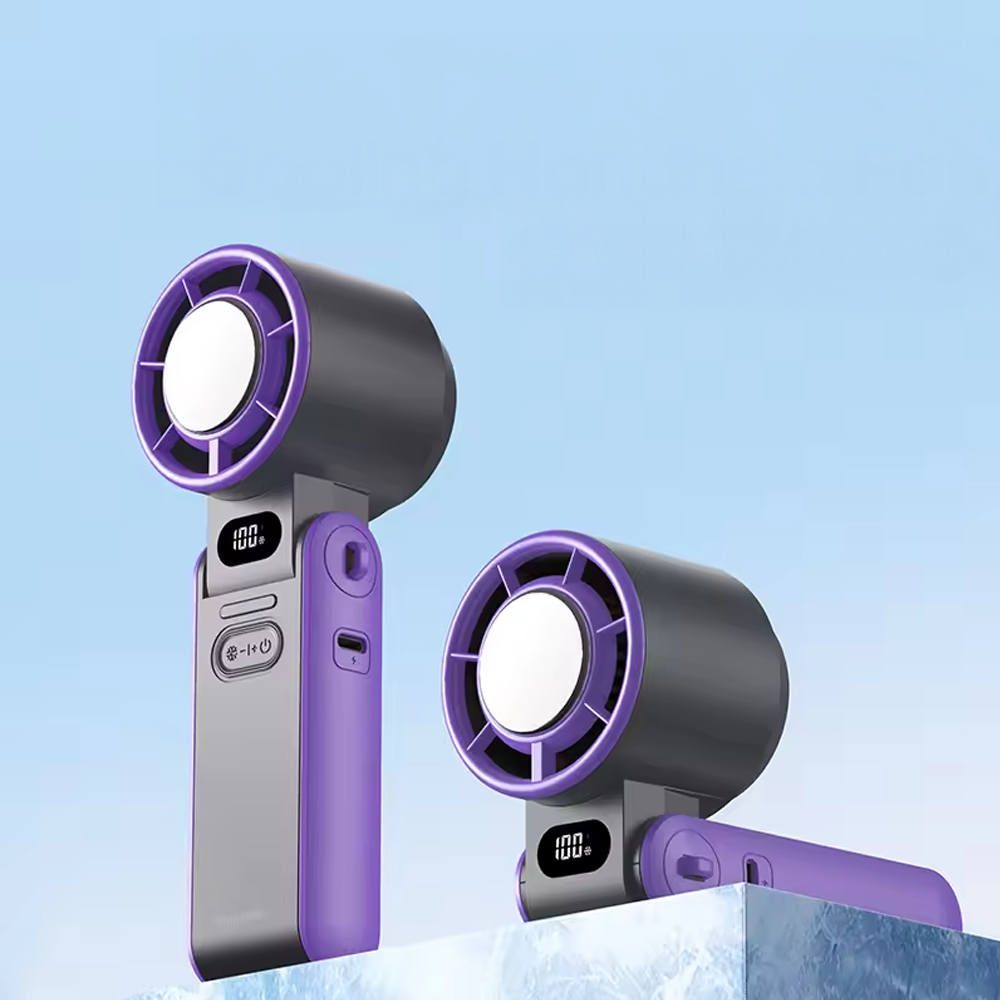
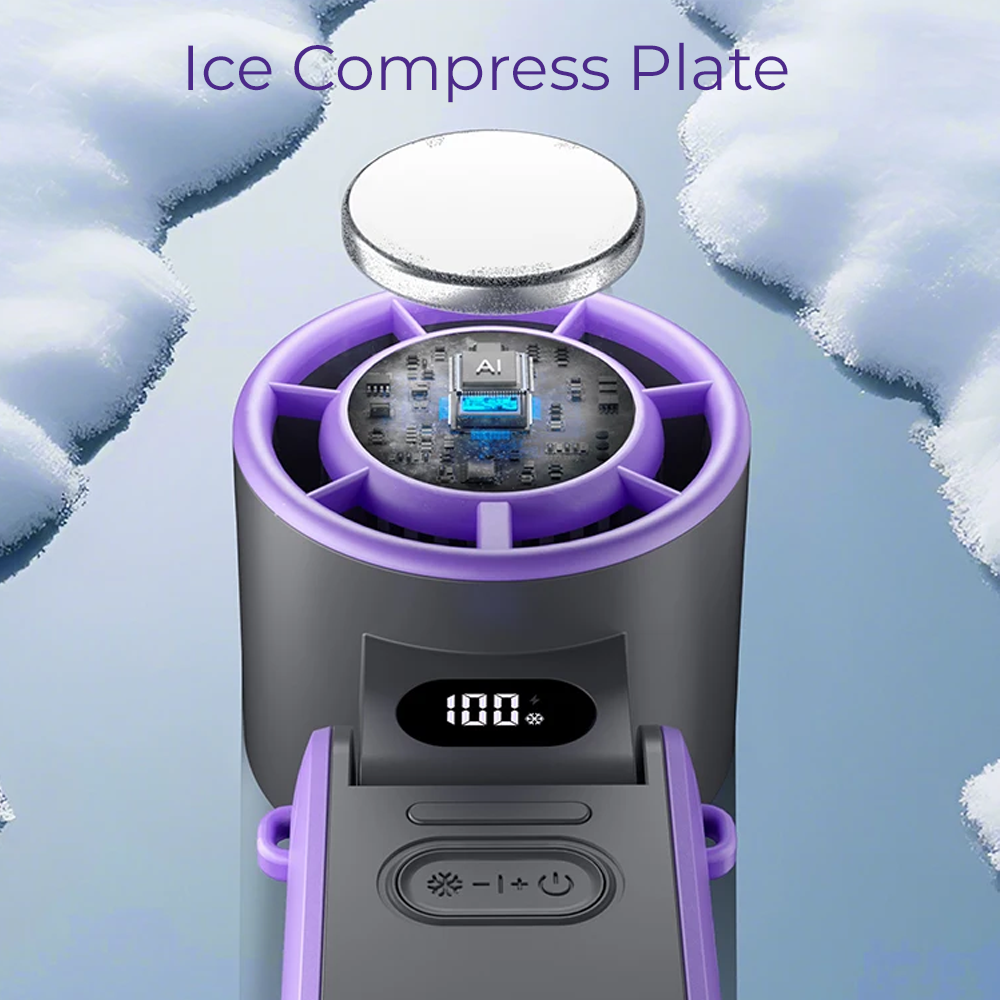
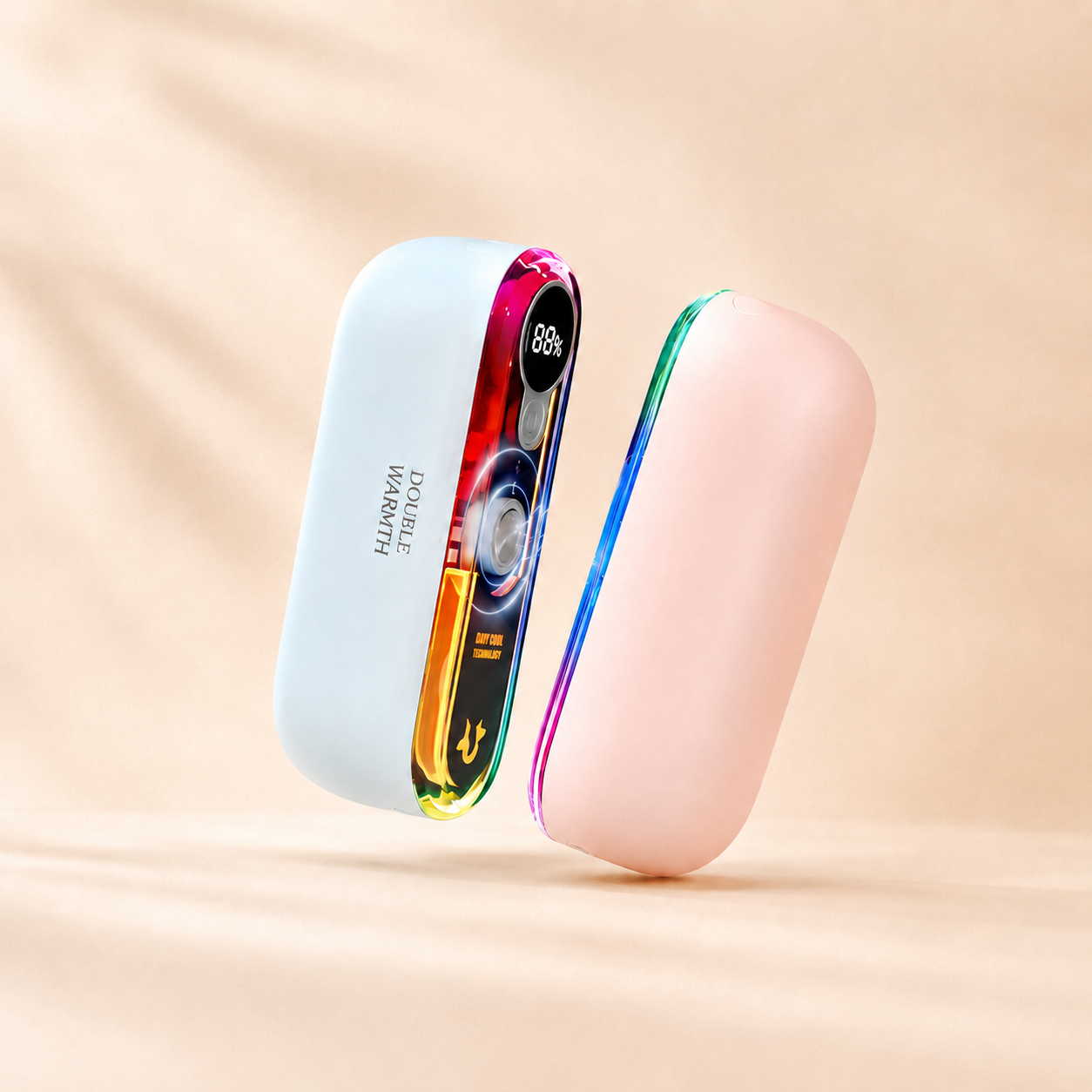
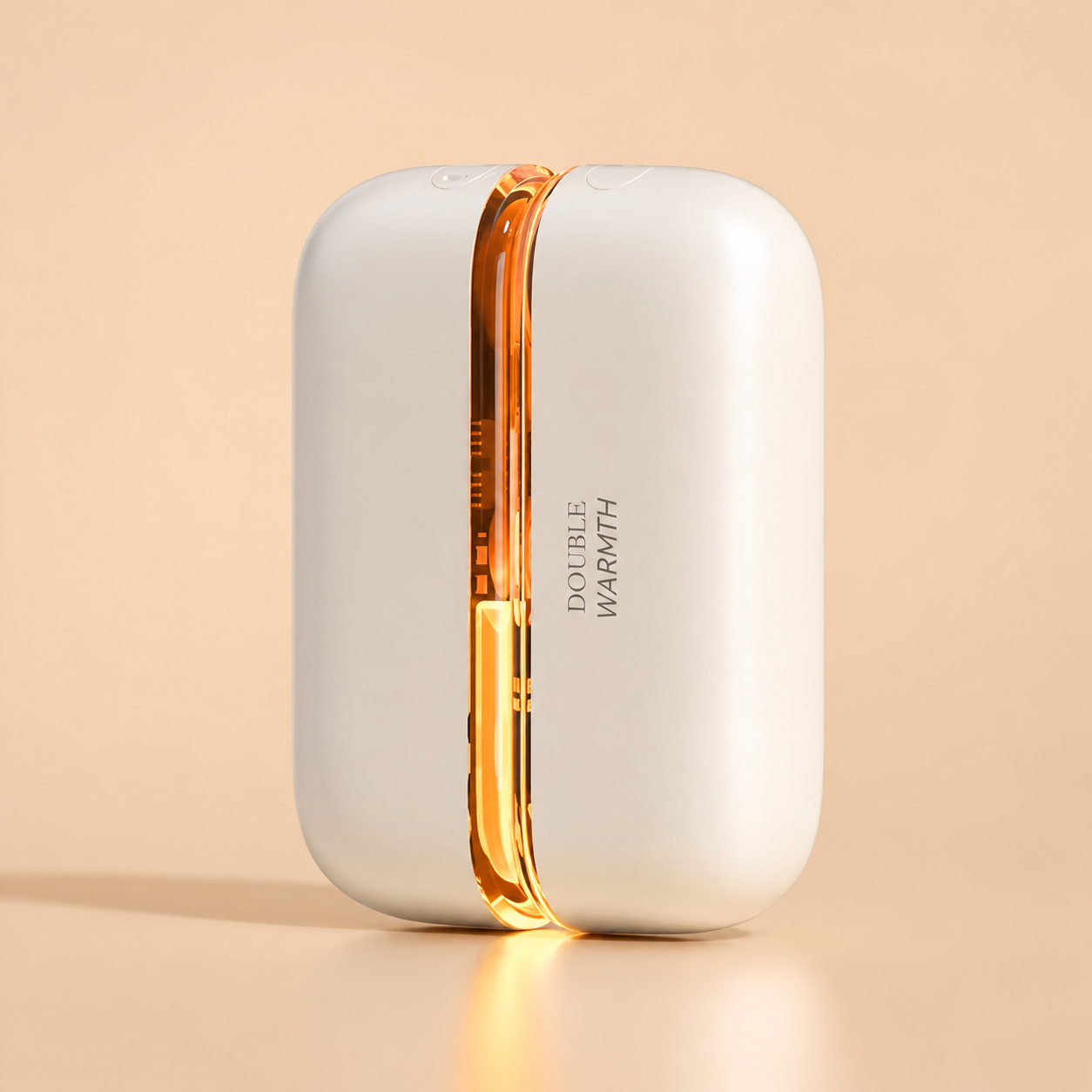
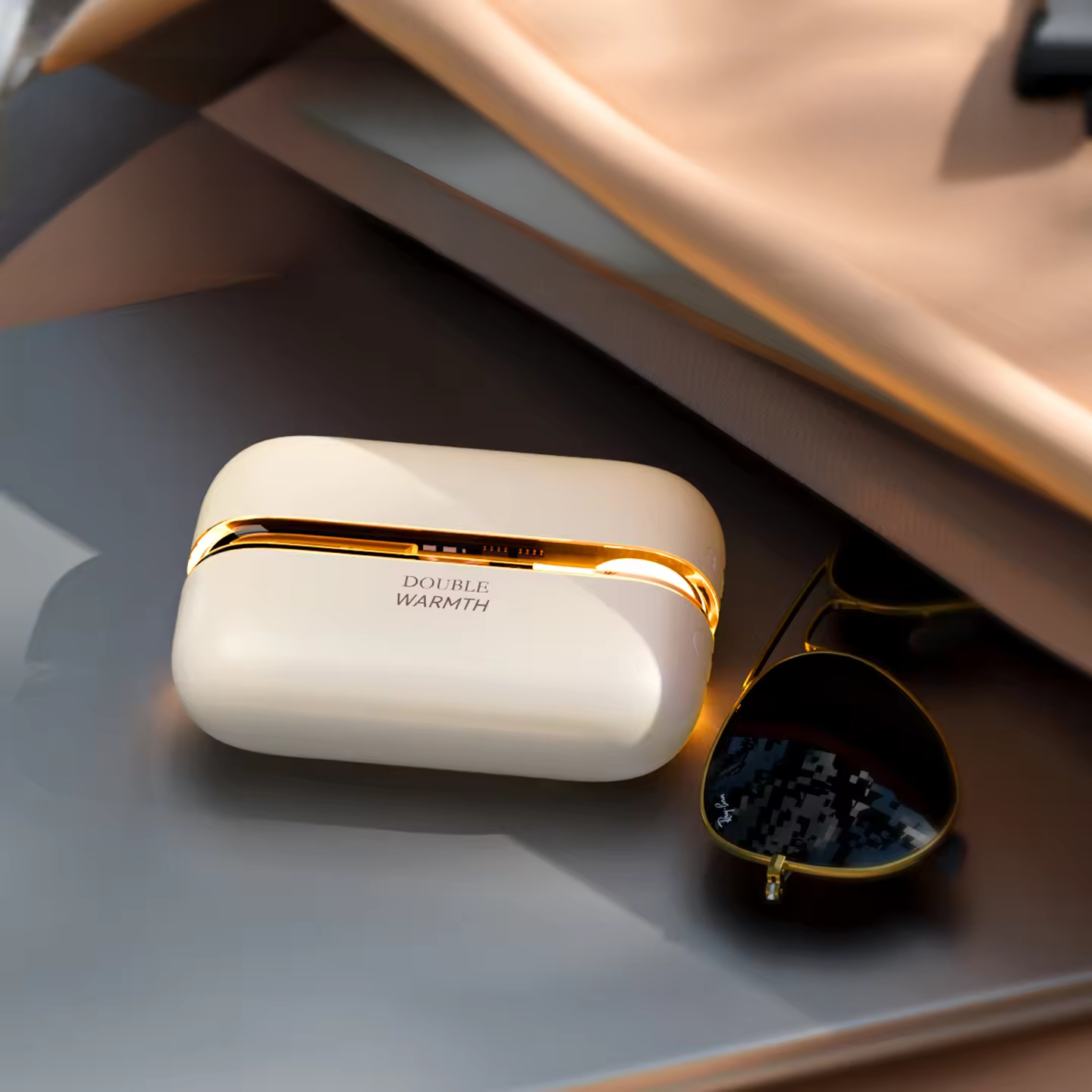
Our CapyCosy Twin Hand Warmer comes as a pair, so you can hold one in each hand or keep one in each pocket, with adjustable heat settings so you can pick a gentle, comfortable level rather than blasting maximum heat. That is the whole idea behind the twin format: warmth for both hands, on demand, wherever the cold finds you. It is the same simple habit Dakota built into her cold mornings.
Thank you, Dakota. Dakota has lived with Raynaud's since she was twelve. In her review, she shared that on cold days she keeps the pair with her, one in each pocket, and reaches for them when her hands start to feel the cold.
Based on a customer review, Dakota L.Using a hand warmer safely
Warmth should always feel comfortable, never hot enough to hurt. A few sensible points, especially if you have reduced feeling in your hands from a condition such as diabetes, nerve damage or a circulation problem:
- Use the lowest setting that feels comfortable. You do not need maximum heat to keep hands warm.
- Keep fabric between the warmer and bare skin if you plan to hold it for a long time, and slip it into a pocket or pouch rather than gripping it directly.
- Take regular breaks. If you are holding a warmer against the skin for a long stretch, rest it periodically and check your skin for redness. Both electric and disposable warmers can cause low-temperature burns with very long direct contact.
- Check with your GP first if you have reduced sensation, poor circulation, or a nerve or vascular condition, and take extra care, because you may not feel a burn starting.
- Choose warmers with adjustable settings, and follow the product's safety and charging instructions.
When to see a doctor
Keeping your hands warm helps with comfort, but it does not replace a proper assessment. See your GP if:
- You are getting these symptoms for the first time, or the pattern changes.
- Only one hand or a few fingers are affected, rather than both hands fairly evenly.
- You notice sores, ulcers or skin that will not heal on your fingertips.
- Symptoms are severe, frequent, or getting in the way of daily life.
- You have other symptoms alongside, such as joint pain, rashes or unusual fatigue.
These can be signs of secondary Raynaud's or another condition that needs treatment. Warmth can ease the symptoms and mask the underlying pattern, so it is worth getting checked rather than managing it alone. Healthdirect Australia and Musculoskeletal Health Australia both have plain-language guides, and your GP can refer you if needed.
Common questions
What is Raynaud's phenomenon?
Raynaud's phenomenon is an exaggerated narrowing of the small blood vessels in the fingers and toes, and sometimes the ears and nose, in response to cold or stress. Blood flow drops sharply, and the fingers often change colour, turning pale or white, then blue, then red as warm blood returns. Attacks can bring numbness, tingling and pain. Primary Raynaud's occurs on its own and is usually mild, while secondary Raynaud's is linked to another condition such as scleroderma or lupus.
How common is Raynaud's in Australia?
There is no single national figure for primary Raynaud's in Australia, but a large international review estimated the global prevalence at about 4.85 per cent of people, or several in a group of one hundred (Garner et al., BMJ Open, 2015). It is more common in women, smokers, and people with a family history. Australian research on people with systemic sclerosis found that colder and more humid conditions clearly worsened symptoms, which is why keeping warm and dry is recommended (Taylor et al., 2025).
Does keeping your hands warm help with Raynaud's?
Yes, keeping warm is a recognised first-line, non-pharmacological measure for cold-triggered symptoms. Australian clinical guidance from Musculoskeletal Health Australia, Scleroderma Australia and the Australasian College of Dermatologists all recommend keeping the whole body warm, with particular attention to the hands and feet, to reduce how often attacks happen and how severe they are. This manages the triggers and improves comfort. It does not cure the condition.
Can a hand warmer treat or cure Raynaud's?
No. A hand warmer is a comfort and warmth product, not a medical device, and it does not treat or cure Raynaud's or any medical condition. What it can do is provide a steady, adjustable source of warmth to help keep your hands warm, which is the practical goal that clinical guidance points to. It works alongside, not instead of, medical care from your doctor.
Are hand warmers safe for people with reduced feeling in their hands?
They can be, with care. If you have reduced sensation from diabetes, nerve damage or a circulation problem, use the lowest comfortable setting, keep a layer of fabric between the warmer and bare skin, and take regular breaks to check your skin for redness. Because you may not feel a burn starting, talk to your GP before using heat regularly. Choose warmers with adjustable settings and follow the product's safety and charging instructions.
When should I see a doctor about cold hands or Raynaud's?
See your GP if these symptoms are new or the pattern changes, if only one hand or a few fingers are affected, if you notice sores or skin that will not heal on your fingertips, if symptoms are severe or frequent, or if you have other symptoms such as joint pain, rashes or fatigue. These can point to secondary Raynaud's or another condition that needs treatment. Warmth can ease symptoms and hide the underlying pattern, so it is worth getting checked.
The short version
Cold hands in an Australian winter are common, and for people with Raynaud's they are more than a nuisance. The research is clear that keeping warm is one of the simplest and most recommended ways to manage cold-triggered symptoms, and a hand warmer is one easy way to do it. It will not cure anything, and it is no substitute for seeing your doctor, but for staying comfortable on a cold morning it does the one job that matters: it keeps your hands warm.
References
- Garner R, Kumari R, Lanyon P, Doherty M, Zhang W. Prevalence, risk factors and associations of primary Raynaud's phenomenon: systematic review and meta-analysis. BMJ Open, 2015. pmc.ncbi.nlm.nih.gov/articles/PMC4368987
- Taylor L, Hansen D, Morrisroe K et al. Impact of Season, Environmental Temperature, and Humidity on Raynaud Phenomenon in an Australian Systemic Sclerosis Cohort. Arthritis Care & Research, 2025; 77(1): 61–68. pubmed.ncbi.nlm.nih.gov/39420564
- Musculoskeletal Health Australia. Raynaud's phenomenon resources. muscha.org/raynauds-blog
- Healthdirect Australia. Raynaud's phenomenon. healthdirect.gov.au/raynauds-phenomenon
- Barlow CF, Daniel L, Baker E. Cold homes in Australia: questioning our assumptions about prevalence. Energy Research and Social Science, 2023. sciencedirect.com
This article is provided by CapyCool for general information only and is not medical advice. It does not diagnose, treat, cure or prevent any condition. Hand warmers are comfort and warmth products, not medical devices. Always speak with your GP or a qualified health professional about your own symptoms, and before using heat regularly if you have reduced sensation, poor circulation, or a nerve or vascular condition.








Share:
2026 World Cup Heatwave: Which Knockout Matches Face the Biggest Heat Risk?
How to Stay Cool While Travelling: The Hot Destination Packing Guide