




Heat & sport
The World Cup’s New 12th Man Isn’t a Team. It’s the Heat.
A dangerous heat dome is colliding with the 2026 World Cup knockout stage. Here’s why some stadiums, kick-off times and fan plans could matter more than anyone expected.
This is a live weather story. Forecasts can shift quickly. The heat outlook and venue guidance below reflect information available on June 30, 2026; fans should check official local alerts and stadium instructions before travelling.
Not every hot match is the same. Outdoor venues, afternoon sun and humid air can stack together—making conditions much more demanding for players, staff and supporters.
The tournament has a new 12th man
The biggest football tournament on the planet already comes with the usual pressure: knockout football, extra time, long travel days and the possibility of one mistimed pass changing a nation’s summer.
Now add a major heatwave.
A high-pressure “heat dome” is expected to trap hot, humid air across a large part of the central and eastern United States as the World Cup moves deeper into its knockout rounds. New York and Philadelphia are among the cities under official heat alerts for the July 1–4 period, while forecasts warn of heat-index values well above the actual air temperature. The timing is particularly striking because Philadelphia hosts a Round of 16 match on July 4, and New York/New Jersey remains central to the later knockout schedule—including the final on July 19.
Heat will not decide every match. But it can change the rhythm of a game, the value of a deep bench, how long a fan can comfortably queue in the sun—and how much the venue itself matters.
Why “it’s only 35°C” does not tell the whole story
For football, the most useful number is not always the one sitting in the weather app. Researchers often use Wet Bulb Globe Temperature (WBGT), which combines temperature, humidity, sunlight and airflow.
That matters because humidity makes it harder for sweat to evaporate. And when sweat cannot evaporate effectively, your body loses one of its main ways to cool itself down. A hot, dry day can be tough; a hot, humid, still day in a packed stadium can be a completely different beast.
The temperature rises
Air, concrete, seats and transit spaces all start holding more heat.
Humidity joins in
Sweat evaporates more slowly, so the body has a harder time shedding heat.
Exertion becomes tougher
Players, staff and fans have less room for error—especially in direct sun and long queues.
Which World Cup venues are most exposed?
Some stadiums can largely remove the most obvious heat issue. Others have to manage the reality of outdoor sport in summer: sun, hot surfaces, humidity and the simple fact that weather does not follow the fixture list.
| Venue group | Stadium environment | Why it matters | Heat outlook |
|---|---|---|---|
| Miami | Open-air with canopy; typically very humid | Humidity can keep conditions punishing even after the sun begins to drop. | Highest concern |
| Philadelphia | Open-air | Hosts a July 4 Round of 16 fixture while an official Extreme Heat Watch is in place for the city area. | Live heat alert |
| New York / New Jersey | Open-air | Hosts major knockout matches and the July 19 final; the region is under an Extreme Heat Watch for early July. | Live heat alert |
| Kansas City, Boston & Monterrey | Outdoor stadiums | Outdoor exposure means kick-off time, sun and local humidity become especially important. | Watch closely |
| Los Angeles & Vancouver | Roof/canopy or naturally milder conditions | More protection from direct sun or a cooler local climate, but not full-bowl air-conditioning. | Moderate |
| Atlanta, Dallas & Houston | Climate-controlled stadiums | Air-conditioned, enclosed venues can significantly reduce the on-pitch heat burden. | Lower on-pitch risk |
This is a venue-and-weather risk guide, not a prediction of match outcomes. Actual conditions can vary by kick-off time, roof operations, wind, cloud cover and local forecasts.
What extreme heat does to a football match
Heat does not necessarily make every game slower from the first whistle. Elite teams prepare, acclimatise and manage their players carefully. But the science is clear that high heat—especially hot, humid conditions—can reduce repeated high-intensity running.
Less total distance
Controlled football testing has found that hot-and-humid conditions can lower total distance covered compared with a temperate control environment.
Less high-speed running
The biggest impact is often felt in the repeated fast efforts that power high presses, recovery runs and late sprints.
That does not hand an automatic advantage to one country or style of football. Preparation can narrow the gap dramatically. But it does put more value on smart rotations, controlled possession, quality substitutes and knowing when not to burn through the legs in the first half.
Kick-off time could be a tactical advantage
The weather might be the same city-wide, but it is not the same at every hour. A later kick-off cannot erase humidity, but it can reduce direct solar load and avoid the hottest part of the day.
The fan heat checklist: what to do before you get cooked
Players have performance staff, ice baths and recovery plans. Fans have a train platform, a stadium queue and hopefully a bottle of water. The good news: a little preparation goes a long way.
Hydrate early
Start before the queue. Check the venue’s current rules on sealed water bottles and refill stations.
Find shade first
Locate cooling tents, indoor areas, shade and water points as soon as you arrive—not once you feel awful.
Dress for the heat
Lightweight layers, sunscreen, a hat and breathable shoes are a smarter flex than trying to tough it out.
Give yourself time
Arrive early enough to move slowly, refill water and avoid being stuck in the hottest part of a long line.
Use airflow wisely
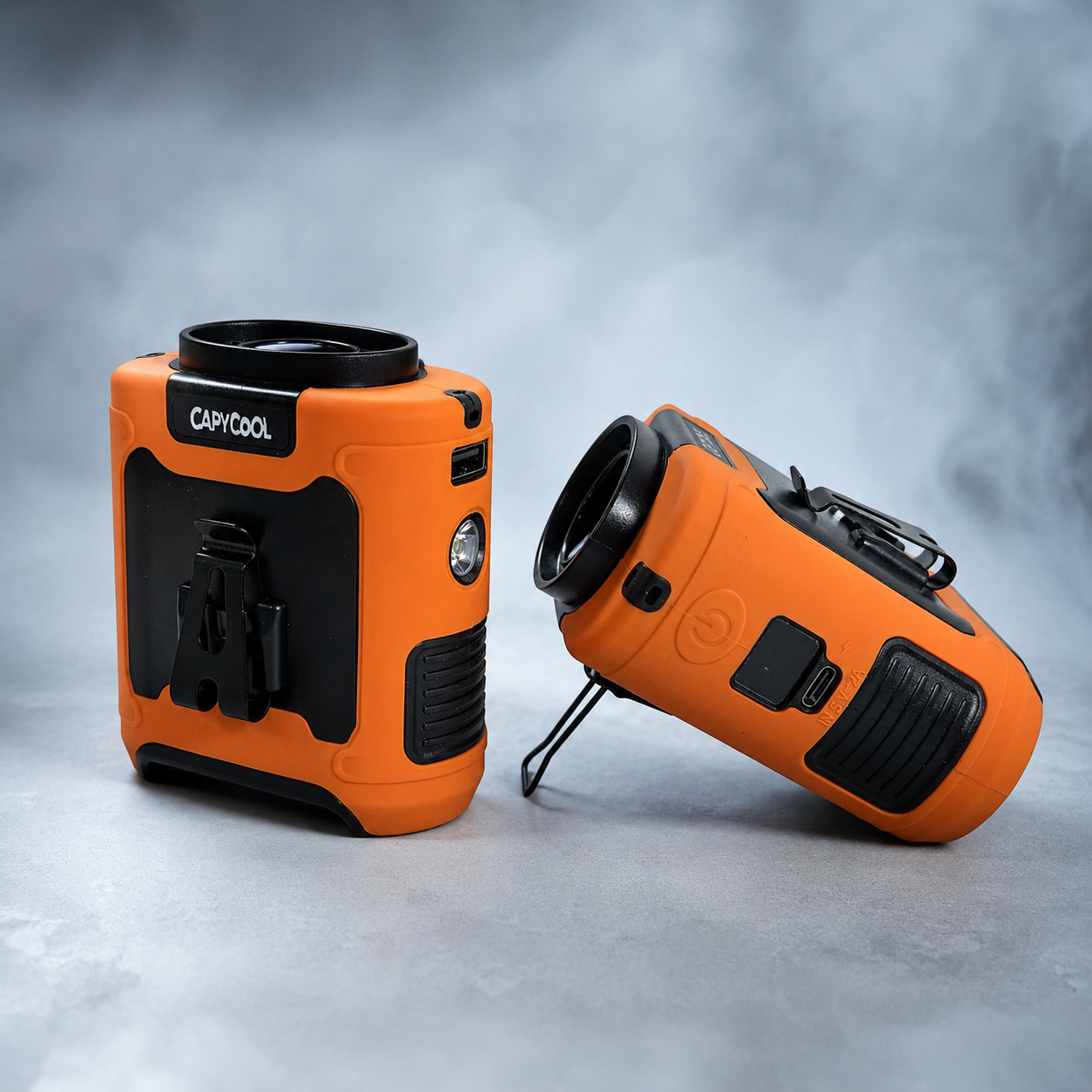
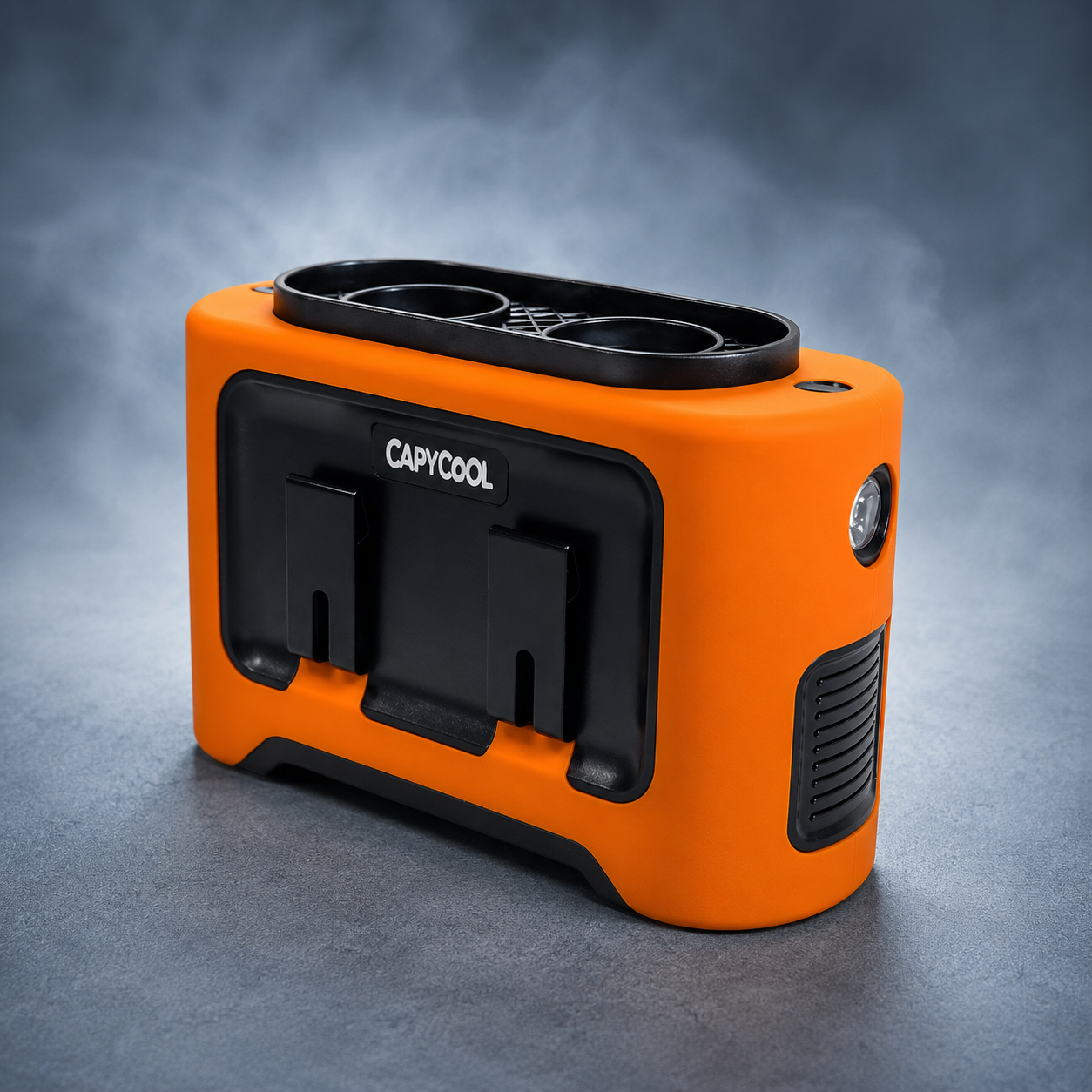
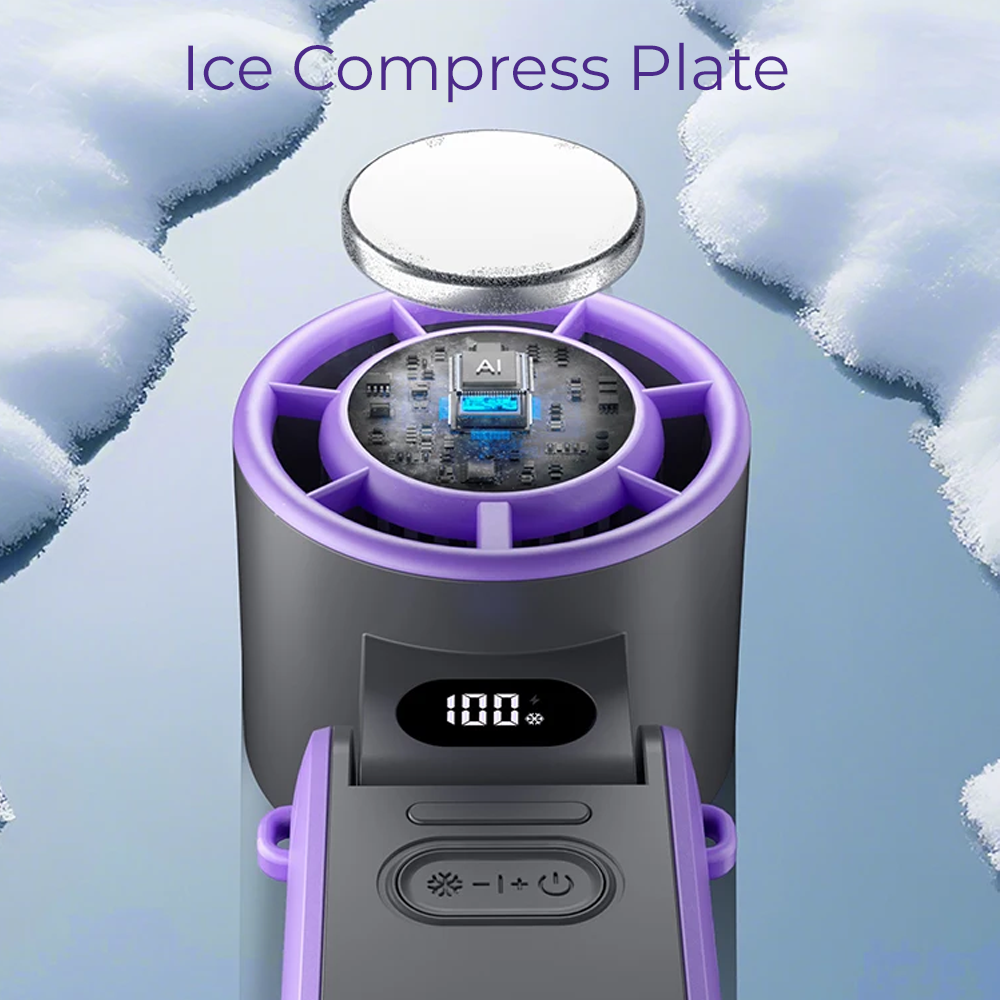
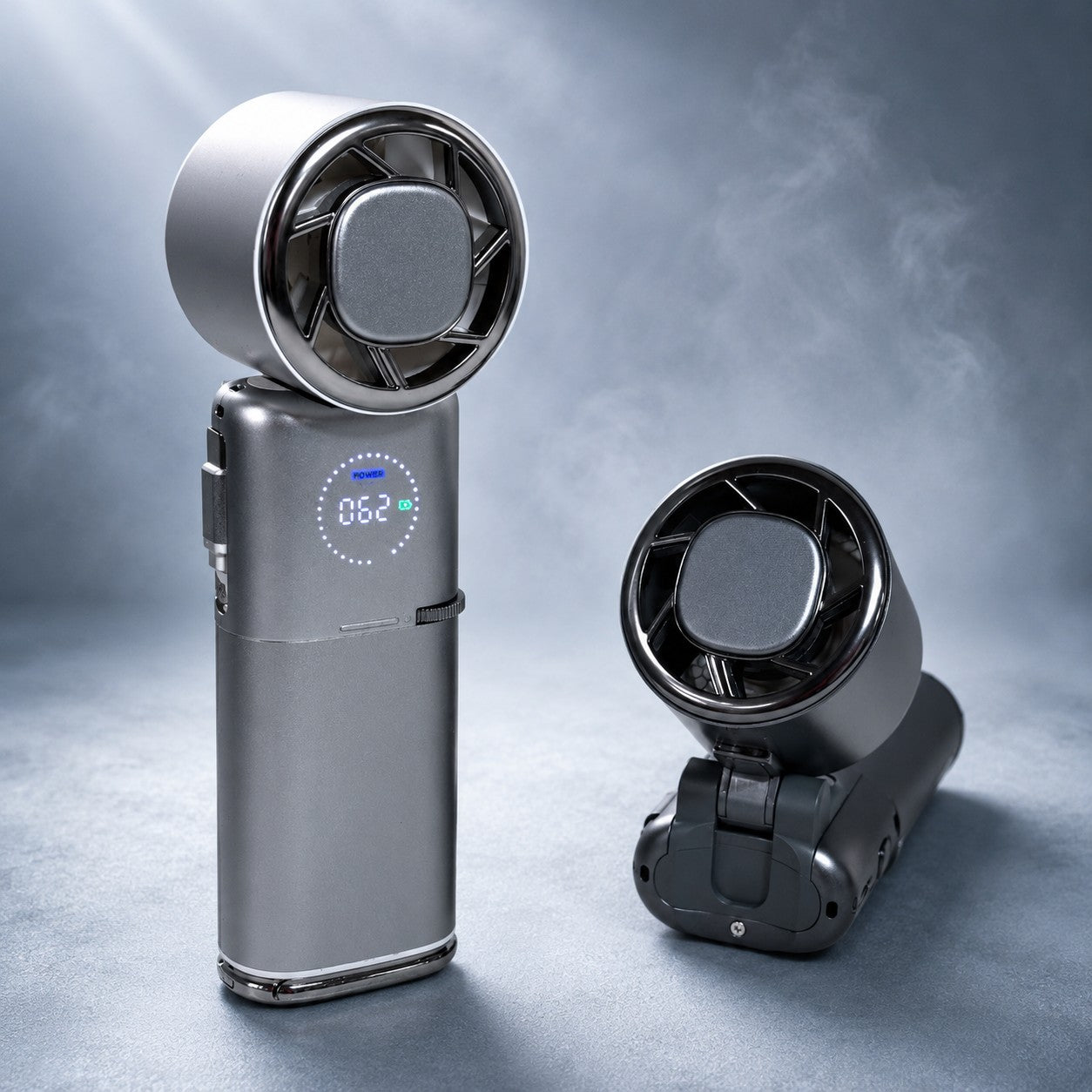
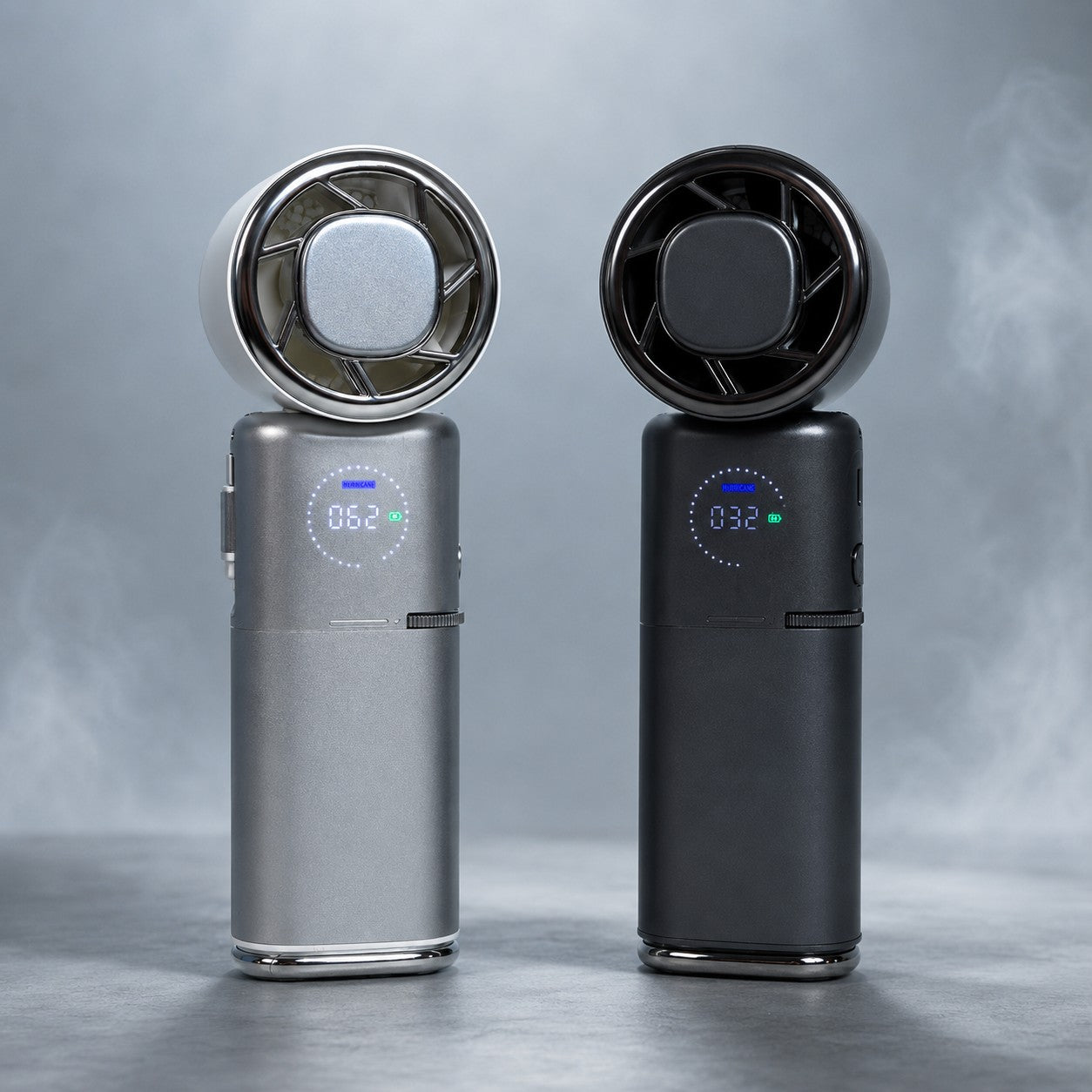
A portable fan or cooling towel can improve comfort in queues and transit—alongside water, shade and rest.
Take warning signs seriously
Faintness, confusion, severe dizziness or feeling unusually unwell are reasons to seek help quickly.
FAQ: World Cup heatwave and fan safety
Will the 2026 World Cup final be played in an air-conditioned stadium?
No. The July 19 final is scheduled for New York/New Jersey Stadium, an open-air venue. Weather conditions closer to the date will be important, particularly because the match is scheduled in the afternoon.
What does WBGT mean, and why does it matter more than normal temperature?
WBGT stands for Wet Bulb Globe Temperature. It considers air temperature, humidity, sunlight and wind, making it a more useful guide to physical heat stress than air temperature alone.
Which World Cup venues are generally the biggest heat concern?
Outdoor venues in hot or humid climates—such as Miami, Monterrey, Kansas City, Philadelphia and New York/New Jersey—deserve the closest attention. That is not a guarantee any one match will be unsafe; kick-off time and actual daily conditions matter enormously.
Do later kick-offs make a meaningful difference?
Usually, yes. Evening games often avoid the harshest direct sun and the day’s highest temperatures. However, humid cities can remain uncomfortable after dark, so later does not automatically mean low risk.
Are FIFA hydration breaks enough on very hot days?
They are a useful safeguard, but they do not remove the underlying risk of extreme heat. Player welfare groups and researchers have argued that additional cooling measures and schedule changes may be needed at higher WBGT levels.
What should fans pack for a hot World Cup match?
Check the venue’s rules first. In general, think water plan, sun protection, a hat, breathable clothing, electrolytes if appropriate for you, and a compact personal cooling option for outdoor travel and queues. Most importantly, do not ignore symptoms of heat illness.

















Share:
Why “Hot” Means Something Different in Every US State
Cold Hands and Raynaud's: What Actually Helps