



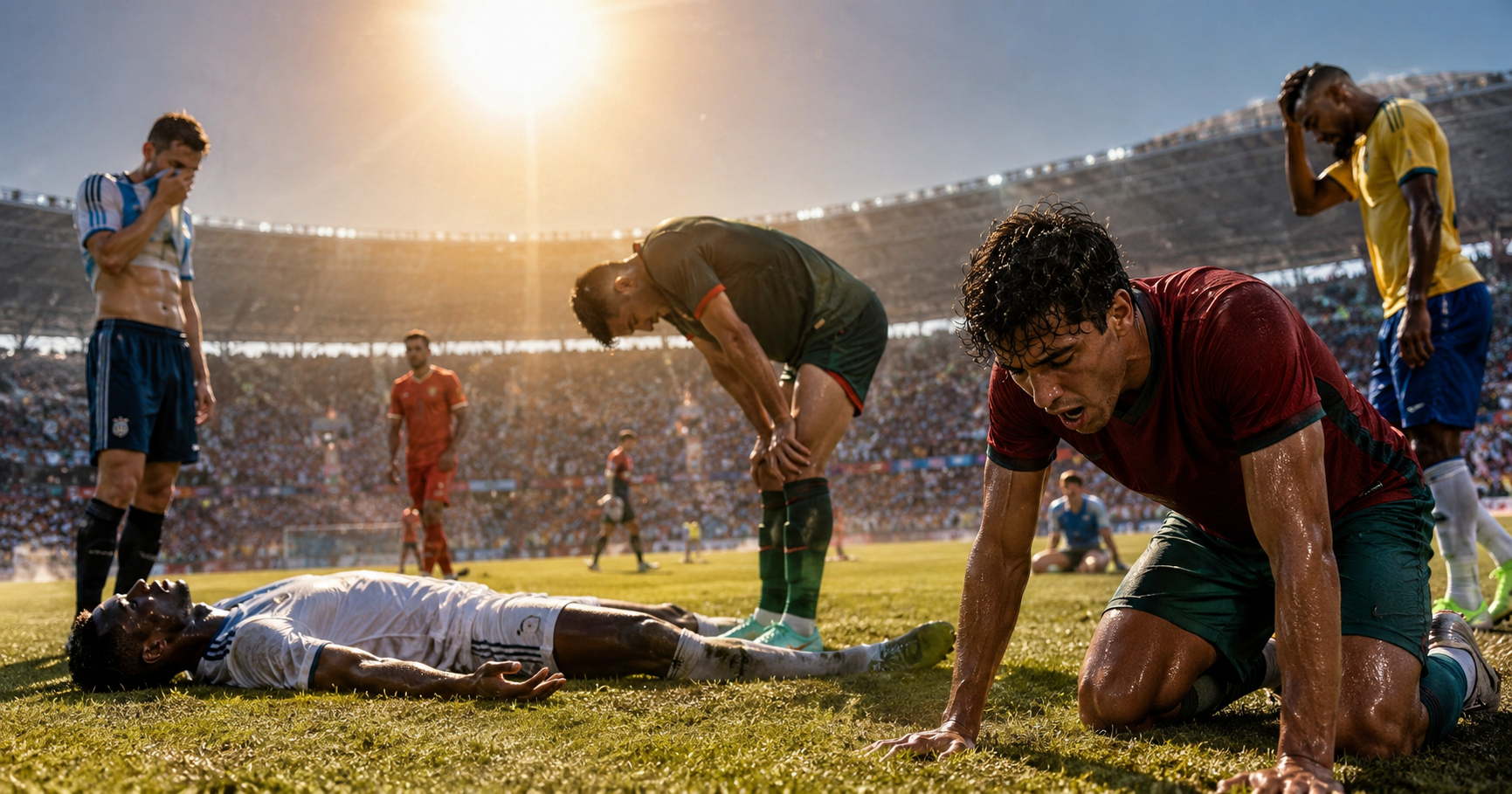
In Dallas on 17 June, England and Croatia stopped playing in the middle of the first half so the players could have a drink. The crowd booed. Not because anyone got hurt, but because the rhythm of the game paused for three minutes while two of the best teams on earth sipped water and draped cold towels over their necks. Welcome to the 2026 World Cup, where the heat has quietly become one of the most talked about players on the pitch.
If you have watched any of the tournament across the United States, Mexico and Canada, you have seen it. Sweat sheeting off shirts by the twentieth minute. Players pouring full bottles of water over their heads. Norway turning up to a warm-up friendly wearing ice collars like a team of very fit greyhounds. It looks a bit comical. It is also a serious story, and there is a genuinely interesting question hiding inside it: with all the sports science money can buy, why do elite footballers still cool themselves down the same way your nan does in a heatwave?
The fast facts
- Around one in four of the 104 matches is likely to be played at a Wet Bulb Globe Temperature of 26 degrees or higher, the point football's player union flags for safety measures.
- Climate Central estimates 97 of the 104 matches face a raised chance of performance-impairing heat.
- At the 2025 Club World Cup, Argentina's Enzo Fernandez had to lie down on the pitch with heat exhaustion in roughly 35 degree heat and over 50 percent humidity.
- Sixty current and former players signed an open letter asking FIFA to tighten its heat rules.
- FIFA now mandates a three minute drinks break in each half of every match, whatever the weather.
- Australia is through to the Round of 32, and the Socceroos have drawn one of the only three air-conditioned stadiums at the tournament for their next match.
How bad is the heat, really?
Bad enough that scientists have been warning about it for over a year. The measure that matters here is not the number on a normal thermometer but the Wet Bulb Globe Temperature, or WBGT, which folds in humidity, sun and wind to estimate how hard it actually is for a body to cool itself. As Imperial College London researcher Chris Mullington put it, a 30 degree day that is dry and breezy is a very different beast to a 30 degree day that is humid and still.
Football's international players' union, FIFPRO, treats a WBGT of 26 degrees as the line where cooling measures should kick in. According to analysis by World Weather Attribution and Imperial College London, about one in four of the 104 matches is likely to be played at or above that line. Climate Central went further, estimating that 97 of the 104 games face a raised chance of heat bad enough to dent performance, with the threshold for that drop sitting around 28 degrees.
Why does performance fall off? Research on the 2014 World Cup in Brazil by Nassis and colleagues found players covered noticeably less high-intensity distance and ran fewer sprints in the hottest matches, on the order of a ten percent drop in sprints above the 28 degree mark. Interestingly, passing accuracy actually edged up, because a knackered game becomes a slower, more careful one. The heat does not just tire players out. It changes the kind of football you get to watch.
And it is not hypothetical. At the 2025 Club World Cup, a dress rehearsal on the same pitches, Argentina's Enzo Fernandez had to lie down during a semifinal in roughly 35 degree heat with humidity above 50 percent. He said afterwards that he got dizzy and dropped to the ground, and that playing in those conditions was dangerous. Sixty current and former professional players signed an open letter to FIFA describing light-headedness, cramps and worse. The single hottest game on the calendar by climate risk, per Climate Central, is the Guadalajara fixture between Uruguay and Spain in late June, where the chance of performance-impairing heat runs around 70 percent.
FIFA's own rule is that matches can be postponed if the WBGT hits 32 degrees, the kind of threshold you reach for when conditions move from uncomfortable to genuinely risky. For context, the body starts heading toward what heat scientists call volitional exhaustion, the point where you simply cannot keep going, somewhere around a core temperature of 40 degrees.
Who actually has the heat advantage?
Here is where it gets interesting. The obvious answer is that teams from hot countries have the edge, and there is some truth in it. Sports scientists note that players who train in heat carry useful adaptations, from a bigger blood plasma volume to earlier, more efficient sweating. A squad raised on Gulf, African or Central American summers does not get the same shock as one assembled from the cool, damp Premier League.
But birthplace is only part of it, and the gap is smaller than you might think. The consensus among researchers is that preparation closes most of the distance, and that heat training can even make a team fitter overall. Which is why the supposed underdogs in the heat have been working hardest of all.
England are the standout example. Manager Thomas Tuchel turned the team's pre-tournament camp into something close to a laboratory, with heated tents built to mimic American conditions and players swallowing biometric tablets so staff could track their core temperatures from the inside and rank how well each one coped. Tuchel was blunt that the heat is "not to our advantage" after a long season. Captain Harry Kane, meanwhile, breezily declared it "won't be a factor." One of them is managing expectations. We will let you decide which.
Then there is the genuine home advantage, and it is a double one. Mexico plays in Guadalajara and Mexico City, where visiting teams cop heat and altitude at the same time. Guadalajara sits about 1,566 metres above sea level and Mexico City around 2,240, high enough that thinner air adds fatigue and dizziness on top of the warmth. For a side built for it, that is two problems the opposition has to solve and you do not.
So the real advantage is not simply who comes from somewhere hot. It is who prepared properly, who has the squad depth to rotate tired legs, and who happens to be playing at home in conditions they have trained in their whole lives.
What teams are doing to cool players down right now
The cooling toolkit on display at this World Cup is more elaborate than ever, and it runs from the genuinely high-tech to the gloriously basic. Here is what is actually happening on the touchlines.
- Pre-cooling. In the 30 minutes before kickoff, players use ice vests and drink cold fluids to lower their starting core temperature, buying time before they overheat once the match begins.
- Half-time cooling. During the break, teams reach for cold water immersion tubs, cooling vests and ice towels. Sweden, for instance, travels with cold showers, ice baths, sprays, cold towels, ice bags and ice vests.
- Mandatory drinks breaks. FIFA now stops every match for three minutes around the 22nd minute of each half, regardless of the weather. This is the rule that earned the boos in Dallas, and it is one of the biggest player-welfare changes in tournament history.
- Individual hydration plans. Rather than a one-size bottle, staff tailor fluids to each player's measured sweat rate and salt losses.
- The pricey kit. Adidas has given its partner teams a gel-filled cooling system of vests, jackets and overshoes that it says can shave nearly one degree Fahrenheit off core temperature. The catch, as Swedish team doctor Werner pointed out, is that it needs 12 to 15 minutes of use, which nobody actually does, and the gear has to be kept frozen and hauled around in heavy powered coolers.
- The water bottle. And then there is Morocco's Achraf Hakimi simply tipping a bottle over his own head, which sits at the cheap and cheerful end of the same toolkit.
The honest bit: feeling cool is not the same as being cool
Now for the insight that makes all of this worth writing about. A lot of what you see on screen, the ice towel on the neck, the water over the head, Norway's ice collars, is mostly about comfort rather than core cooling.
Heat scientists are refreshingly candid about this. Briefly chilling a small patch of skin, like the neck or face, makes a player feel cooler and lowers their sense of effort, but it does not pull much heat out of the body's core. As Sweden's team doctor put it, ice bags and cold towels are "mostly for comfort," and the hard scientific evidence for them is thin. The tools that genuinely lower core temperature are the less glamorous ones: pre-cooling before kickoff, cold water immersion, and drinking cold fluids or ice slurry.
The distinction worth remembering
Feeling cooler and being cooler are two different things. Cooling your neck or face is real, useful comfort and it reduces how hard the effort feels, which matters in sport and in daily life. It is not the same as dropping your core body temperature, and anything that claims to do the latter with a quick wipe of a cold towel is overselling. The honest version is more useful than the magic version.
This is exactly the line a good cooling brand should hold, and plenty in the wider personal cooling market do not. No small device drops your body temperature by some dramatic fixed number. What the pros prove, with their ice baths and their cold drinks and their wet towels, is that staying cool is a layered job. No single trick does it alone.
What it means for Australia
Right on cue, the Socceroos have handed us a local angle. After a 2-0 win over Turkiye, a 2-0 loss to hosts the United States and a gritty 0-0 draw with Paraguay, Australia has finished second in Group D and booked a place in the Round of 32. It is only the third time the team has reached the knockouts, and the second World Cup in a row. So, fair question for a cooling brand: how do the Socceroos fare in the heat?
The honest answer so far is that they have barely been tested by it. Australia's group matches were in Vancouver, Seattle and the San Francisco Bay Area, three of the cooler, more northern venues on the map. The brutal heat of this tournament has been further south, in Dallas, Houston, Miami and Mexico, and the Socceroos have mostly sidestepped it.
Then comes the twist. Australia's next match, on 4 July, is in Arlington near Dallas, which on paper is one of the hottest cities at the entire World Cup. The catch in their favour is that the stadium there is one of only three at the tournament that is fully climate-controlled, alongside Houston and Atlanta. So while the streets outside bake, the players should be spared the worst of it under a closed roof and air conditioning. Of all the grounds to draw in the knockouts, the Socceroos have landed in one of the kindest for heat.
Who they meet is still being settled as Group G wraps up. As it stands the likely opponent is Iran, with Egypt, Belgium and New Zealand not yet out of the picture. If it does turn out to be Iran, it carries some weight, since the two nations share a famously painful history from that night at the MCG in 1997.
Is Australia a hot weather team with a built-in edge? It is more complicated than the old cliché. Domestic football here is played right through a hot summer, so home-based players grow up running in the heat. This squad, though, is young and heavily based in European leagues where the season runs through the cold, so the picture is mixed rather than a clear advantage. As the sports scientists keep saying, what matters most is preparation and squad depth, not simply where a player was born.
And there is one group the heat is definitely not bothering. With kickoff at 4am AEST in the middle of an Australian winter, the only people guaranteed to be cold during this match are the ones watching it. Spare a thought for the loungeroom support, rugged up in the dark, while the boys sweat it out in Texas.
What this means for the rest of us
You are probably not about to play 90 minutes in a Houston afternoon, but the physics is the same whether you are a striker or a spectator, and the principles scale down nicely.
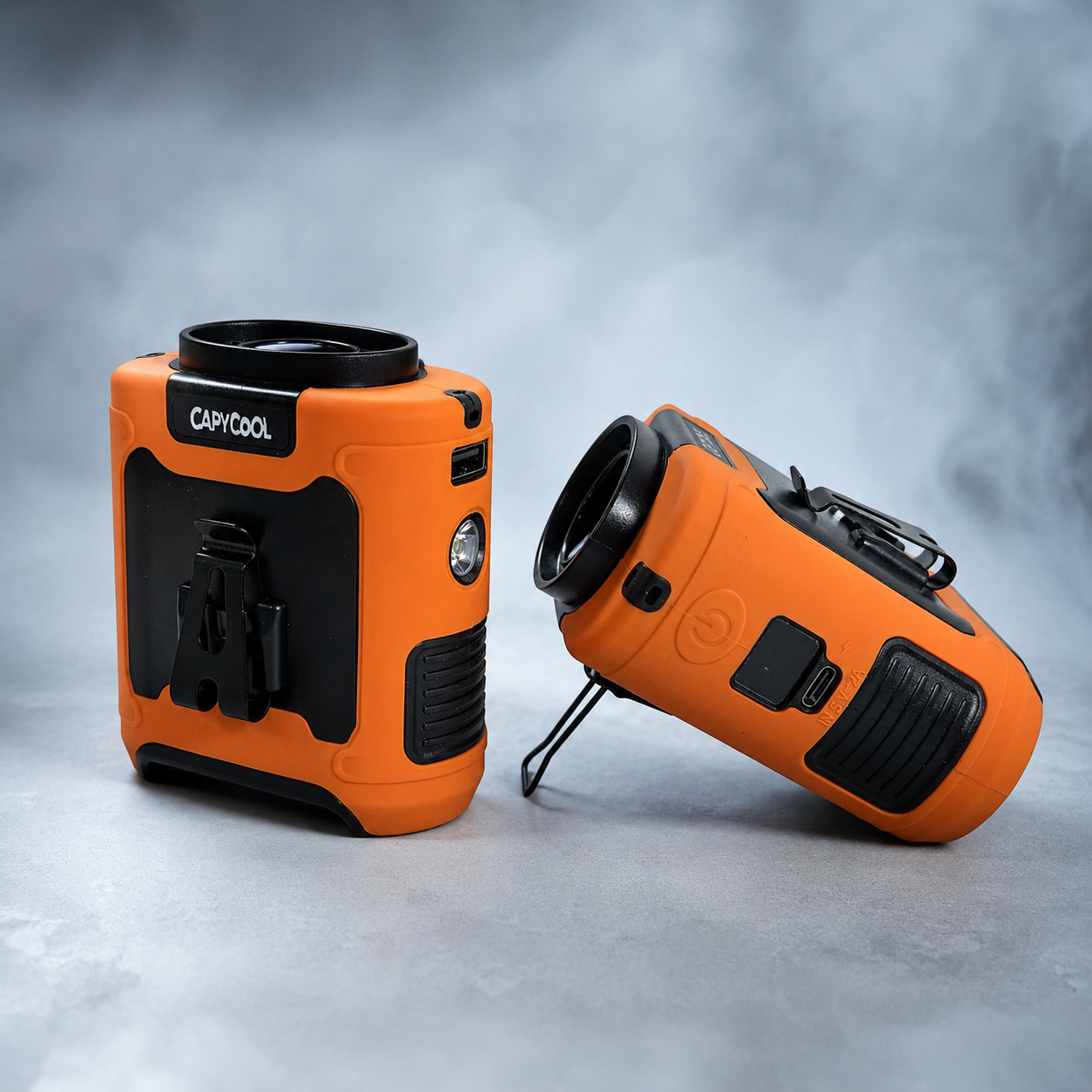
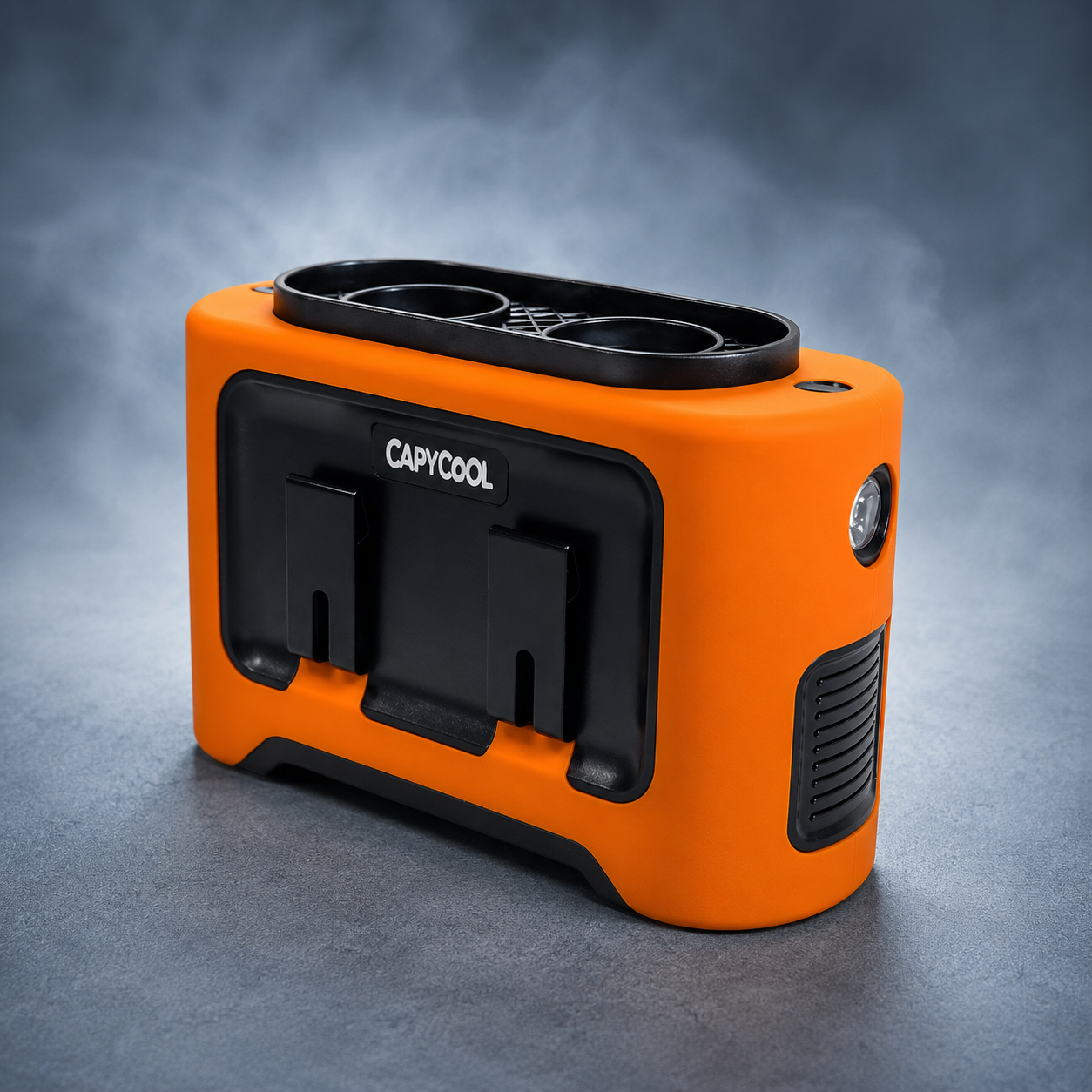
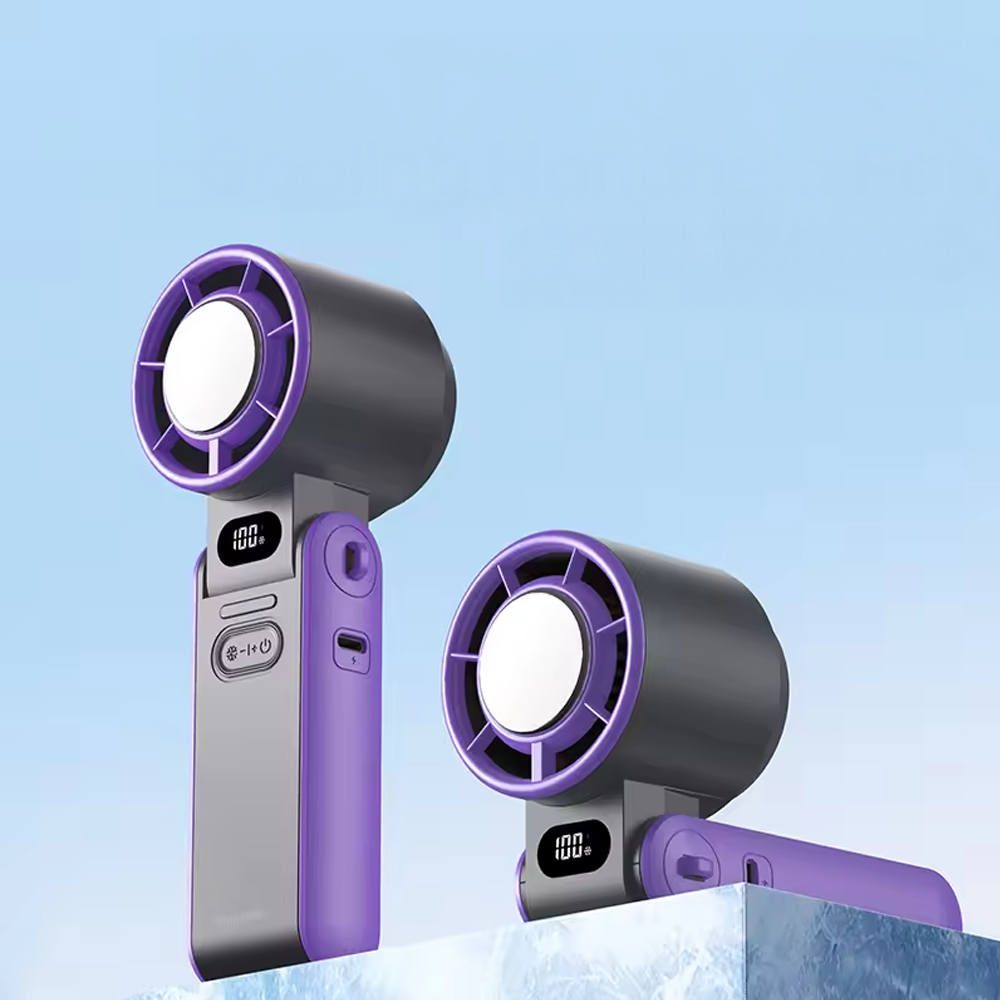
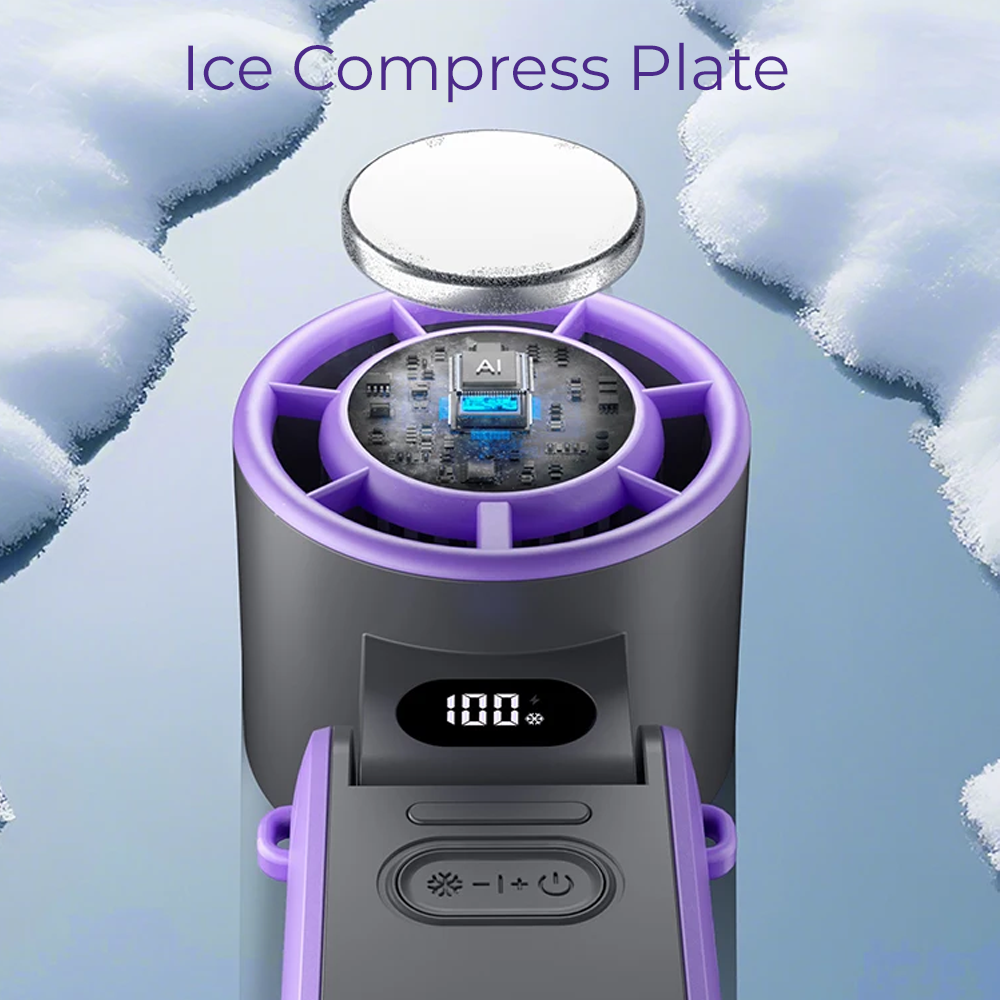
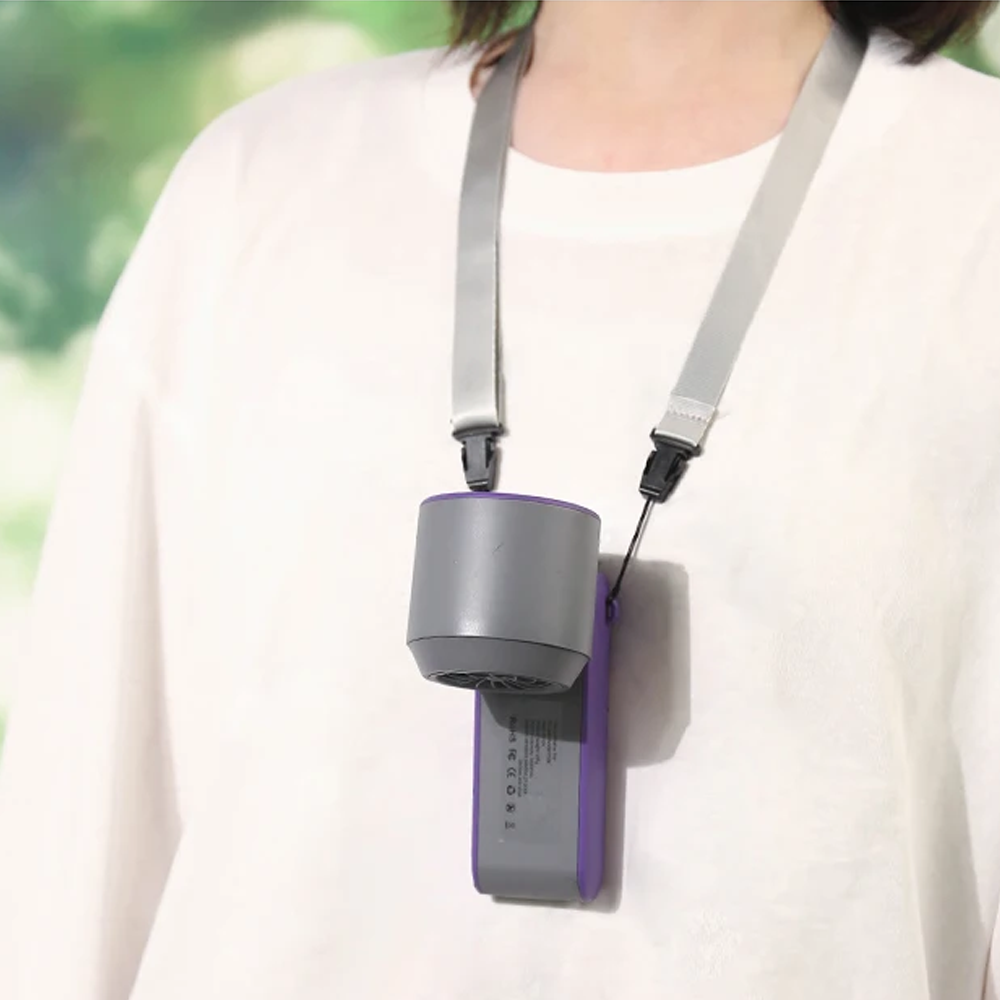
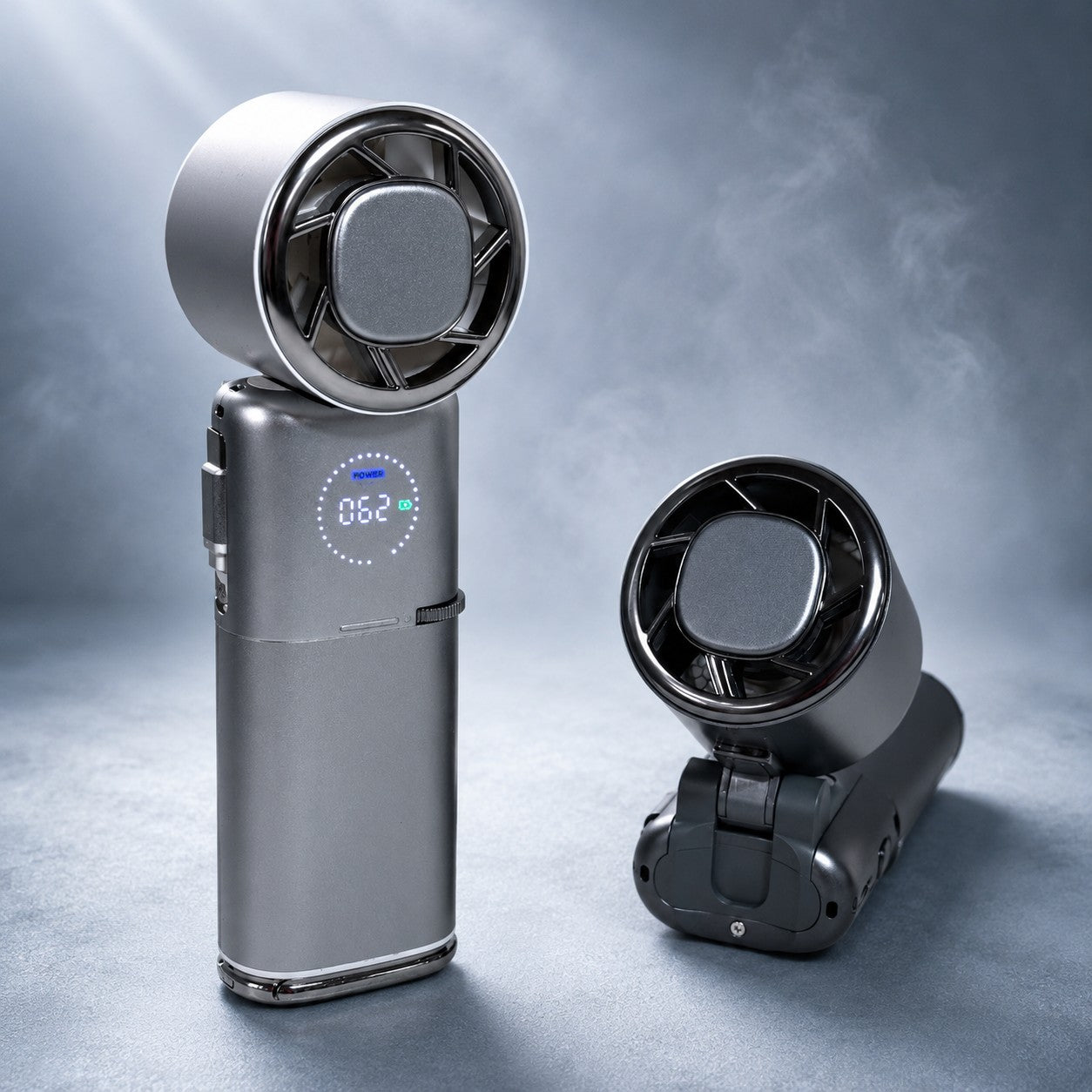
The biggest lever for the rest of us is evaporation. Wetting the skin and then moving air across it recreates the cooling your body is trying to manage on its own, which is why a damp cooling towel paired with a fan beats either one used alone. A hands-free personal fan such as the 3-in-1 waist fan keeps air moving over damp skin while you get on with watching the match, walking the dog or working through a hot afternoon. If you are heading to a game or a sideline, the fans built for sport are made for exactly this.
We will be honest with you the same way the team doctors are. A fan is not an air conditioner, a cooling towel works on comfort and airflow rather than core temperature, and the smart move in serious heat is to stack a few simple things together: shade, cold drinks, wet skin, moving air, and a properly cool space when you can find one. If you want the deeper science on all of that, including why Europe is having such a brutal summer of it, we pulled it apart in our research on the 2026 European and UK heatwave.
The World Cup will keep serving up the strange sight of millionaire athletes cooling off with wet towels and water bottles. Take it as a useful reminder. When the best-prepared teams on the planet still come back to the basics, the basics are clearly worth getting right.
Quick questions
How hot is the 2026 World Cup, really?
About one in four of the 104 matches is likely to be played at a Wet Bulb Globe Temperature of 26 degrees or higher, the level football's player union FIFPRO flags for cooling measures, according to analysis by World Weather Attribution and Imperial College London. Climate Central estimates that 97 of the 104 matches face a raised chance of heat bad enough to impair performance, with several games in cities like Dallas, Houston, Miami and the Mexican venues expected to be especially severe.
Which teams have an advantage in the heat?
Teams whose players train in hot climates have a slight edge, because heat exposure brings useful adaptations like earlier sweating and greater blood plasma volume. Mexico has a double home advantage, playing in Guadalajara and Mexico City where opponents face heat and altitude together. Sports scientists agree that preparation closes most of the gap, which is why cooler-climate teams like England built heated training tents and monitored players' core temperatures to acclimatise before the tournament.
What do football teams do to cool players down during a match?
Teams use pre-cooling with ice vests and cold drinks before kickoff, then cold water immersion tubs, cooling vests and ice towels at half-time. FIFA also mandates a three minute drinks break in each half of every 2026 World Cup match. Hydration is tailored to each player's measured sweat rate, and some teams use Adidas gel-filled cooling vests, though these need 12 to 15 minutes to work and must be kept frozen.
Do ice towels and neck cooling actually lower body temperature?
Not really. Briefly chilling a small patch of skin, such as the neck or face, makes a player feel cooler and reduces their sense of effort, but it does not pull much heat out of the body's core. Heat scientists describe ice bags and cold towels as mostly for comfort. The methods that genuinely lower core temperature are pre-cooling before play, cold water immersion, and drinking cold fluids or ice slurry.
Why were fans booing the cooling breaks?
FIFA introduced mandatory three minute drinks breaks around the 22nd minute of each half at every 2026 World Cup match, regardless of the weather. Some fans booed because the pauses interrupt the flow of a sport that is normally free-running, as happened during England against Croatia in Dallas. The breaks are a player-welfare measure designed to let players drink, cool down and be checked for signs of heat illness.
How will the heat affect Australia's Socceroos at the World Cup?
So far, not much. Australia finished second in Group D and reached the Round of 32, but their group matches were in the cooler northern venues of Vancouver, Seattle and the San Francisco Bay Area. Their Round of 32 match on 4 July is in Arlington near Dallas, which is one of only three fully climate-controlled stadiums at the tournament, so the players should be shielded from the worst of the heat. The bigger heat test would only come later in the knockouts if Australia advances to a hotter, open-air venue.
What actually works to cool down in the heat?
No single method does it all, so the best approach layers several together: shade, cold drinks, wetting the skin, moving air across damp skin, and a cool indoor space where possible. Wetting the skin and then using a fan is particularly effective because it recreates evaporative cooling. A cooling towel or fan helps with comfort and airflow rather than directly lowering core body temperature, so it works best as part of that wider set of measures.
Sources
Event figures are current as of late June 2026 and were drawn from the publications below. WBGT thresholds follow FIFPRO and FIFA guidance.
- Al Jazeera, How extreme weather and heat could affect players at World Cup 2026. aljazeera.com
- Climate Central, Climate change boosts performance-impairing heat at nearly every match. climatecentral.org
- Scientific American, 2026 FIFA World Cup players and fans at risk of extreme heat. scientificamerican.com
- Scientific American, Which World Cup cooling methods really protect players. scientificamerican.com
- USF Health, How extreme heat could shape the 2026 World Cup. usf.edu
- Sky Sports, How will extreme heat impact this summer's tournament. skysports.com
- Inside World Football, England's high-tech approach to heat acclimatisation. insideworldfootball.com
- Inside Climate News, The 2026 World Cup will feature a villainous player: extreme heat. insideclimatenews.org
- PreventionWeb, The 2026 World Cup could be the hottest yet. preventionweb.net
- Extreme heat risk and scheduling at the 2026 FIFA World Cup, peer-reviewed analysis. pmc.ncbi.nlm.nih.gov
- Medscape, World Cup 2026 risks: heat, altitude, travel. medscape.com












Share:
Why The 2026 European Heatwaves Are Deadlier Than Ours in Australia
Why “Hot” Means Something Different in Every US State