



Arizona heat. Florida heat. Texas heat. A sticky Midwest heat wave. A rare Pacific Northwest scorcher. They can all look similar on a weather app, but they do not feel the same on your skin, and they do not always respond to the same cooling methods.
That is exactly why we built the US Summer Heat & Cooling Atlas: a free, interactive state-by-state guide to the way summer heat typically behaves across the United States.
Choose a state and the tool breaks down its typical summer heat profile, humidity and dew-point patterns, UV intensity, common local scenarios and the cooling methods that tend to make the most sense there. It is designed as an evergreen planning guide, not a live forecast, so it can help people understand the kind of heat they are likely to deal with before summer really turns up.
Explore the US Summer Heat & Cooling Atlas here →
We built this because “just use a fan” is not a complete answer
“Drink water, find shade and use a fan” is decent general advice. But it is not the full picture.
A fine mist can feel brilliant in dry desert air, where moisture disappears quickly. Put that same misting setup into a muggy Gulf Coast afternoon and it may leave you feeling damp without delivering much extra relief. An evaporative cooler can make a real difference in a dry part of the Southwest, while in a humid eastern climate, air conditioning and dehumidification are usually the more dependable route.
The same goes for portable airflow. A personal fan can be a great comfort tool while walking, commuting, travelling or working in warm conditions. But in serious heat, especially very hot and dry indoor conditions, it should be treated as one layer of a broader plan rather than the whole plan.
That distinction matters. Summer is not one kind of hot.
Our aim was to turn that idea into something practical: a guide that helps someone in Alabama, Arizona, California, Florida, Texas, Illinois or Oregon start with the climate they actually live in rather than a generic summer checklist.
The big idea: dry heat and humid heat play by different rules
Your body cools itself largely by sweating. When sweat evaporates from the skin, it carries heat away with it. The catch is that evaporation depends on how much moisture is already in the air.
That is why dew point matters so much. Relative humidity can change through the day as temperatures rise and fall, but dew point gives a clearer sense of how much water vapour is actually in the air. Higher dew points generally mean the air is holding more moisture, so sweat has a harder time evaporating.
In broad terms:
- Dry heat: sweat and added moisture can evaporate quickly. Cooling towels, skin-wetting, misting and evaporative cooling often have more room to work.
- Humid heat: the air is already moisture-heavy. Sweat does not evaporate as easily, so the “sticky” feeling can be relentless even when the actual air temperature is lower than a desert city.
- Transitional climates: some places can swing between the two. Texas, Oklahoma, Kansas and inland areas of several larger states can feel very different depending on the region, month and weather pattern.
This is why the Heat Playbook starts with climate type, then layers in typical temperature, humidity, sunshine, UV and practical regional notes.
 |
Five examples of why US summer heat is not one-size-fits-all
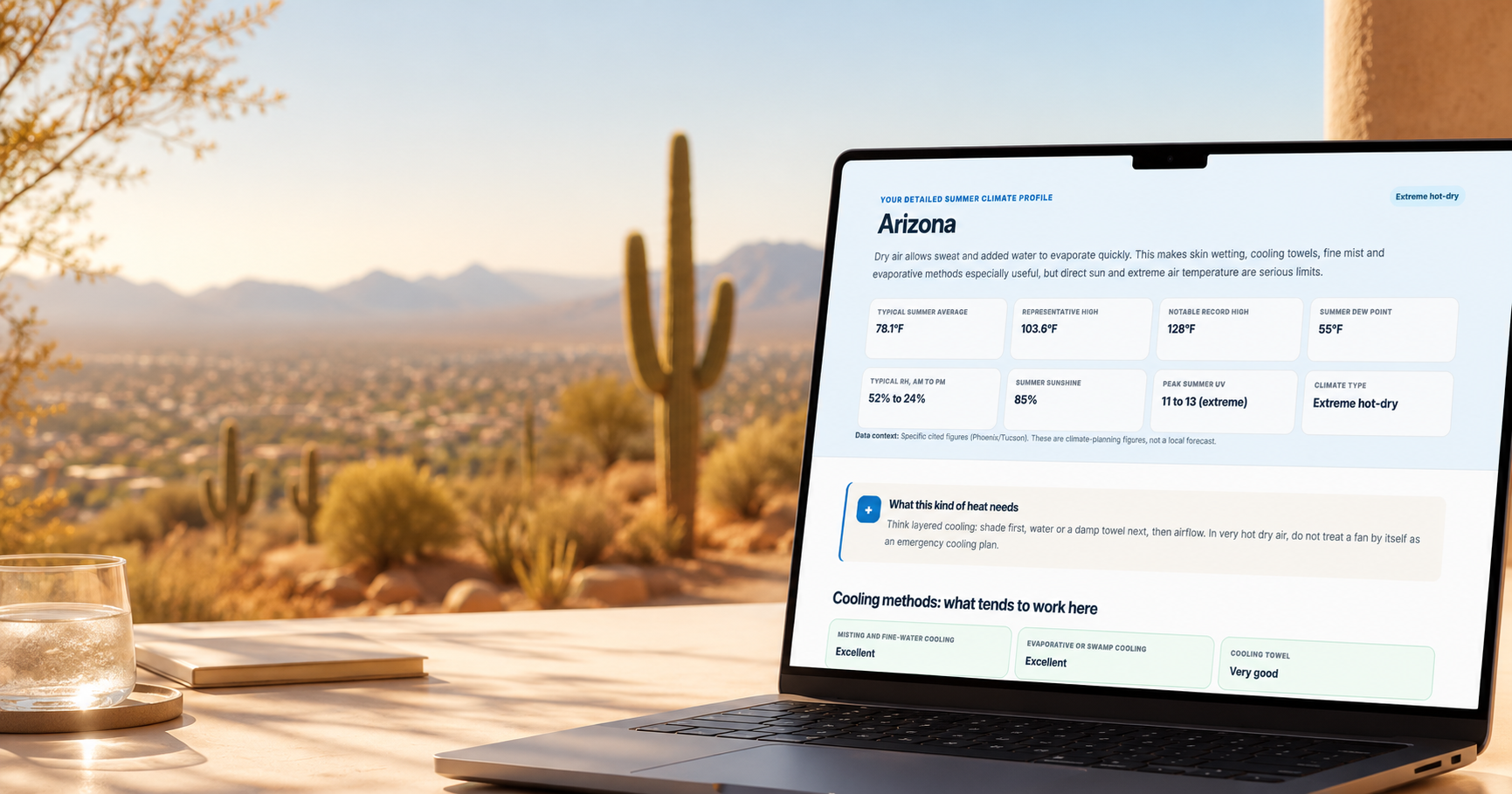
1. Arizona: extreme heat, dry air and intense sun are a very specific combination
Arizona is the classic example of why temperature alone does not tell the full story. Summer conditions can be exceptionally hot, dry and bright, with very high UV. Dry air means sweat, damp towels and fine mist can evaporate quickly, which is why evaporative cooling methods are common across the region.
But dry heat has its own catch: when air temperatures become extremely high, a fan by itself is not a complete cooling plan. Shade, water, reduced exertion, skin-wetting and access to air conditioning become increasingly important.
For day-to-day movement, a hands-free waist fan, cooling towel or portable fan can be useful comfort gear. For genuinely severe heat, though, the priority shifts to getting out of the heat and into an air-conditioned or cooler space.
View Arizona’s heat playbook →

|
2. Florida: lower temperatures can still feel brutal when humidity stays high
Florida often shows why people can feel absolutely cooked at temperatures that might look “less extreme” than the desert Southwest. The problem is not just the air temperature. It is the moisture in the air.
When dew points are high, sweat does not evaporate as efficiently. That means the body has a harder time shedding heat, and being outdoors can feel sticky, heavy and draining. In these conditions, air conditioning and dehumidification are the reliable base layers. Personal airflow can still help with comfort, especially while walking between buildings, commuting, standing in queues or spending a long day outdoors, but it does not change the need for heat breaks.
This is also why evaporative coolers and misting systems are not automatic winners in humid climates. They may add more moisture to already muggy air, rather than giving the crisp relief people expect.
View Florida’s heat playbook →
3. Texas: one state, several completely different summer strategies
Texas is one of the clearest reasons a state-by-state guide needs regional logic. Calling Texas simply “hot” is true, but not especially useful.
Along the Gulf Coast and in much of East Texas, humidity can be a defining part of the experience. In West Texas and around El Paso, conditions are far drier and closer to the desert Southwest. Dallas, Austin and Central Texas can sit somewhere between those two worlds, with summer patterns that shift depending on the weather.
That means the same cooling strategy should not be copied across the whole state:
- Gulf Coast and East Texas: prioritise air conditioning, shade, hydration and airflow for comfort.
- Dallas, Austin and Central Texas: expect more variable conditions. Some drier afternoons may suit misting and evaporative methods better than humid stretches.
- West Texas and El Paso: dry-air strategies, including shade, water, cooling towels and evaporation-aware cooling, become more relevant.
View Gulf Coast & East Texas →
View Dallas, Austin & Central Texas →
View West Texas & El Paso →
 |
4. California: the coast, Central Valley and desert can feel like different countries
California is another state where the word “summer” hides a huge amount of variation.
Coastal California can be moderated by marine air, making many summer days relatively mild compared with the state’s inland areas. Move into the Central Valley, Inland Empire or desert regions, however, and the heat can become much hotter, drier and more intense.
That is why the tool separates California into three practical climate profiles:
- Coastal California and the Bay Area: often milder, with less demand for heavy-duty cooling on typical days.
- Central Valley and inland metro areas: hotter and drier, where shade, water, airflow and evaporative strategies can make more sense.
- Southern California desert: extreme dry heat, where personal cooling must be paired with real heat-safety planning.
View Coastal California & Bay Area →
View Central Valley & Inland Metro →
View Southern California Desert →
5. Oregon and Washington: mild summers do not mean zero heat risk
Pacific Northwest summers are often milder than much of the country. That can make fans, open windows and everyday portable cooling feel perfectly adequate during normal warm spells.
But the region has also shown that rare heat events can be extremely dangerous, especially in homes without air conditioning. A place that is usually comfortable can be caught off guard when temperatures jump far beyond what people, buildings and local infrastructure are used to handling.
The practical lesson is not that everyone needs to prepare as if every summer day is a heat emergency. It is that a “mild” climate can still need a serious heat plan when conditions suddenly change. A portable fan may be useful for everyday comfort, but access to air-conditioned recovery spaces and local heat warnings matter far more during an extreme event.
View Oregon’s heat playbook →
View Washington’s heat playbook →
How the US Summer Heat & Cooling Atlas works
The tool is built around typical summer climate patterns rather than today’s weather. It is not trying to tell you whether it will rain at 3pm, or replace an official heat warning. It is designed to answer the more evergreen question:
“What kind of heat do people in this state usually deal with, and what cooling methods are likely to make the most sense?”
For each state, the Heat Playbook considers:
- Typical summer temperature patterns
- Representative high temperatures
- Summer dew point and humidity
- Sunshine and UV exposure
- Whether the climate is broadly dry, humid or transitional
- How misting, evaporative cooling, cooling towels, airflow, shade and air conditioning tend to fit that climate
- State-specific notes and common summer scenarios
For California and Texas, the tool adds a regional selector because statewide averages are simply too broad to be genuinely useful.
Build your state’s summer heat playbook →
 |
Where personal cooling gear fits in
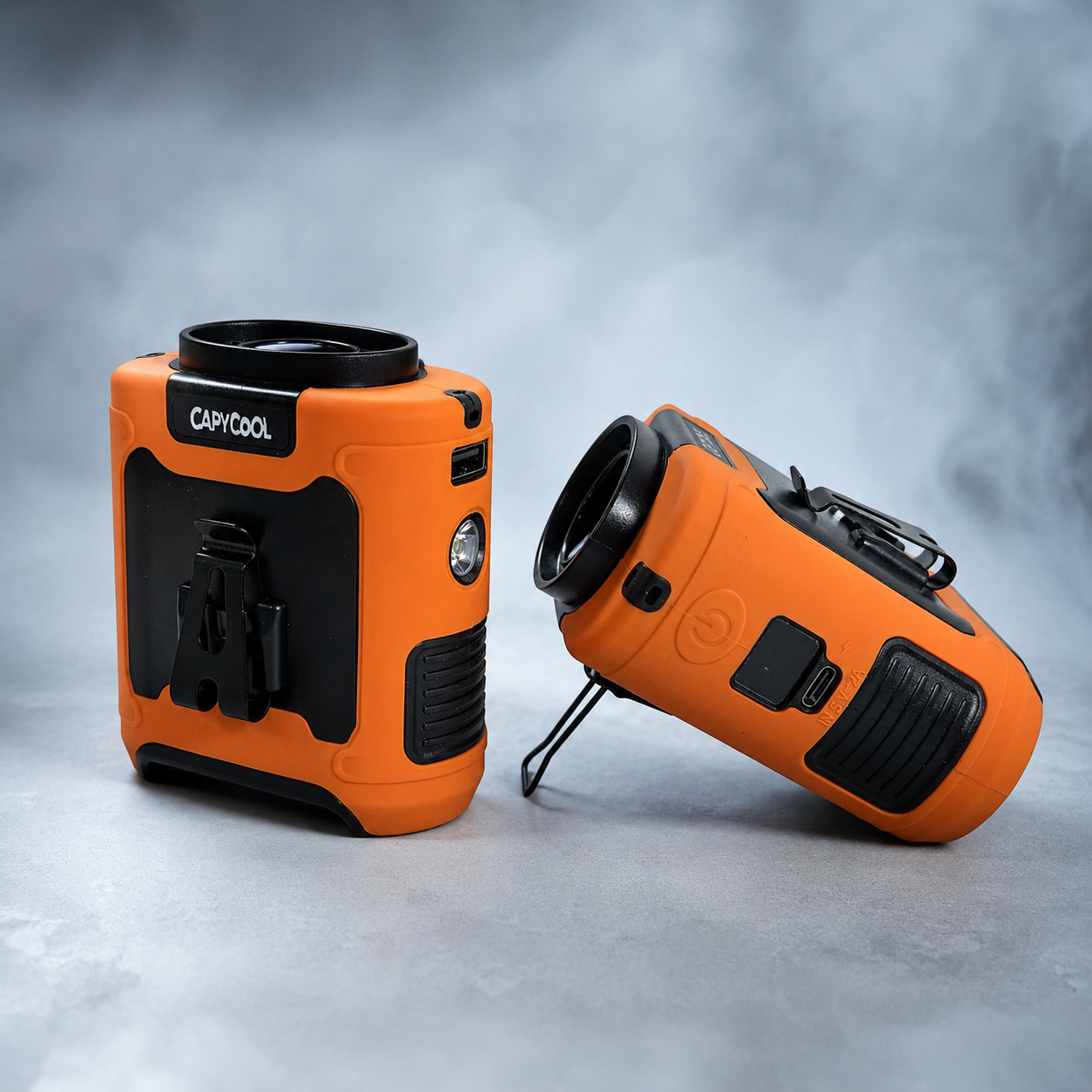
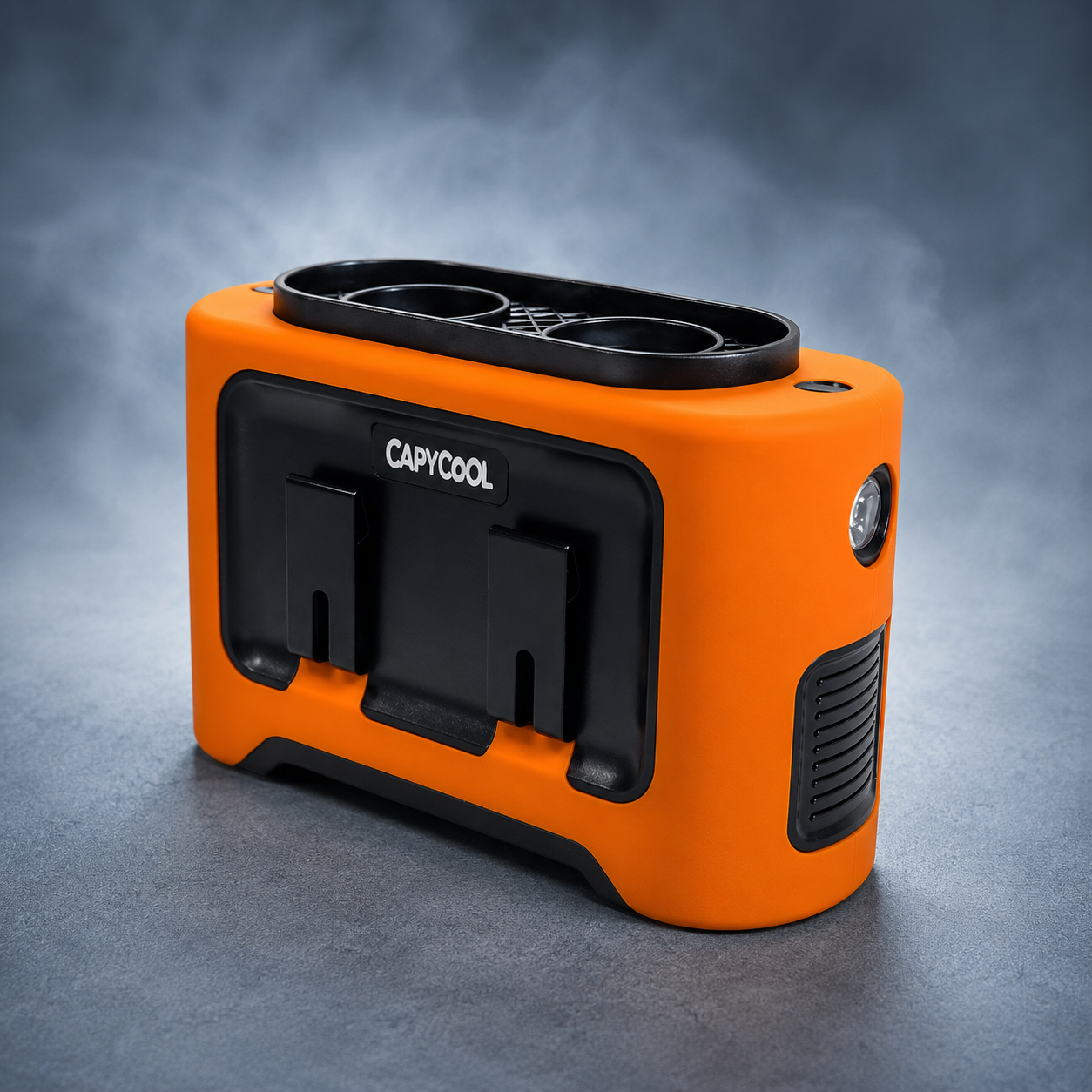
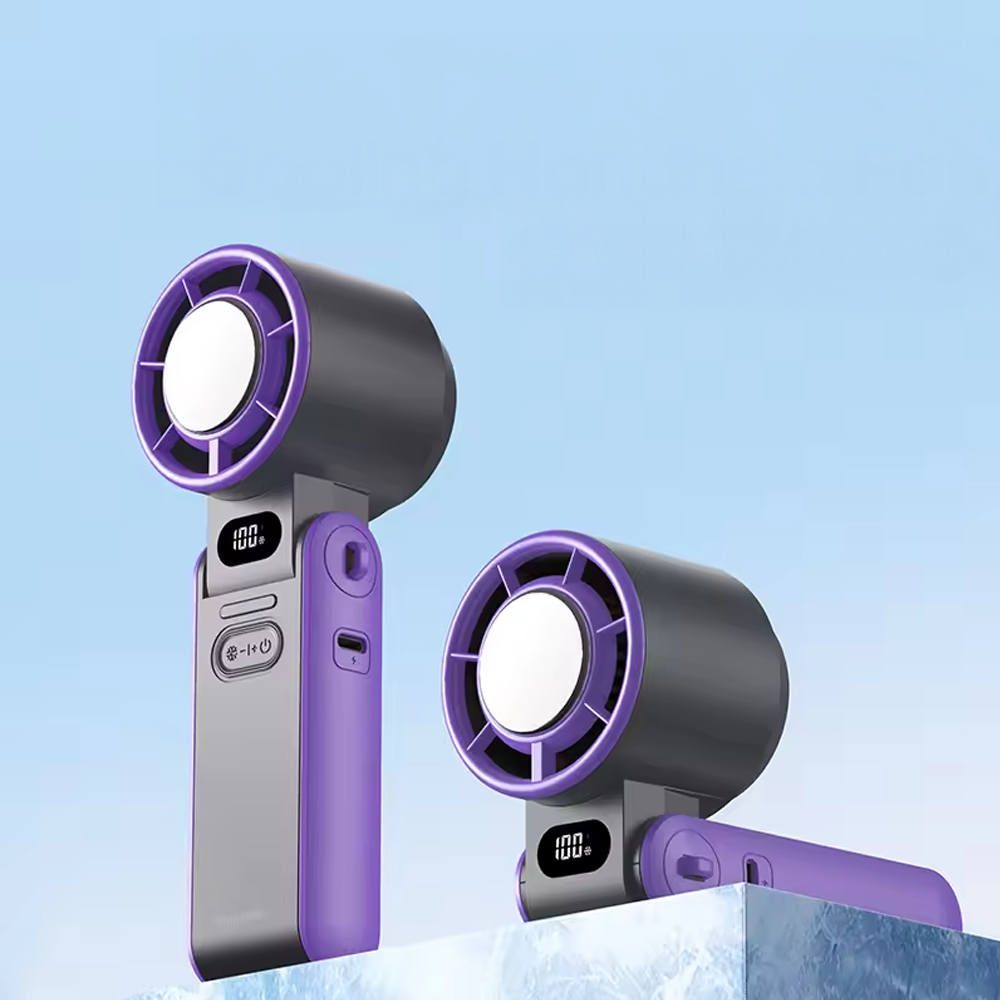
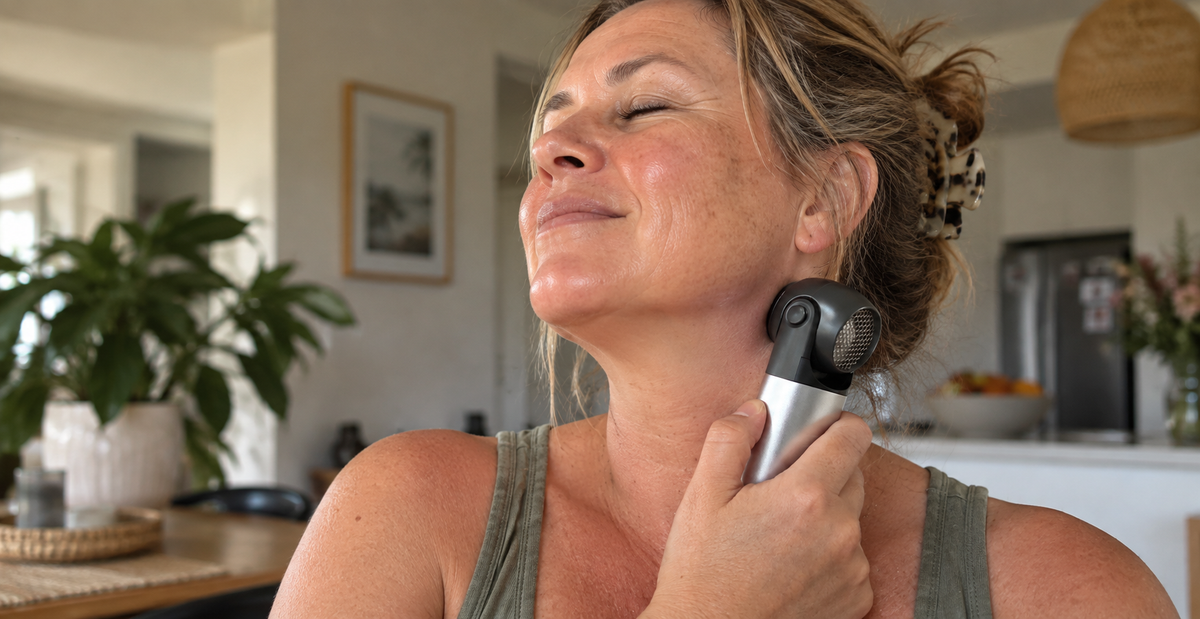
We make cooling gear, so we want to be straightforward about that. The tool includes light recommendations for things like waist fans, portable fans, neck fans and cooling towels where they make practical sense.
But the point is not to pretend a small device can solve every heat problem.
Personal cooling gear can be helpful for:
- Walking between shade and air-conditioned spaces
- Commuting, travel days and long queues
- Outdoor events, sporting days and theme parks
- Camping, fishing and other outdoor weekends
- Work breaks and personal comfort between more substantial cooling measures
- Adding airflow or direct cooling to a sensible heat-management plan
It cannot replace drinking water, taking rest breaks, finding shade, using air conditioning during severe heat, following local public-health advice or seeking help during a heat-related emergency.
That is why every state profile includes a heat-safety reminder. Comfort tools can be genuinely handy. They are just not an emergency plan.
Frequently asked questions
Why does humid heat feel worse than dry heat?
Your body relies on sweat evaporating from the skin to lose heat. When the air already contains a lot of moisture, sweat evaporates more slowly. That can leave you feeling hotter, stickier and more drained than the thermometer alone suggests.
Why does the tool focus on dew point instead of only relative humidity?
Relative humidity changes as the air temperature changes, even when the actual amount of moisture in the air has not changed much. Dew point is generally a more stable way to understand how moisture-heavy the air is and how easily sweat can evaporate.
Are misting fans better in dry weather?
Usually, yes. Fine mist has a better chance of evaporating in dry air, which is where it can feel especially refreshing. In humid conditions, mist may linger on the skin or in the air rather than evaporating quickly.
Are evaporative coolers useful everywhere in the US?
No. They tend to work best in hot, dry climates. In much of the humid eastern US, conventional air conditioning is generally the more reliable option because it cools and removes moisture from the air.
Can I rely on a fan during an extreme heat event?
No. A fan can improve comfort in many situations, but it does not replace air conditioning, a cooling center, hydration, rest, shade or medical care. Take particular care with fan-only cooling in very hot indoor conditions, especially when local authorities are issuing heat alerts.
Is this tool a weather forecast?
No. It is an evergreen climate guide based on typical summer patterns. For current conditions, heat advisories and emergency guidance, always follow your local weather service and public-health authorities.
Why are California and Texas split into regions?
Because they contain very different climates. Coastal California is not the Central Valley, and Houston does not experience summer heat in the same way as El Paso. Regional options make the advice more useful and less generic.
Explore your state before summer gets serious
Whether your summer is dry, sticky, blazing, stormy, coastal, high-altitude or a bit of everything, understanding the local pattern helps you make better choices.
Use the US Summer Heat & Cooling Atlas to see what typically drives summer heat in your state, which strategies fit the climate and where the common advice needs a little more nuance.
Explore the free state-by-state Heat Playbook →
Sources and further reading
- National Weather Service: Heat Index and Dew Point
- National Weather Service: Dew Point Statistics and Humidity
- USGS: Why evaporative coolers work best in dry areas
- CDC: About Heat and Your Health
- OSHA: Water, Rest and Shade
Important: This article and the US Summer Heat & Cooling Atlas are educational resources only. They are not medical advice and do not replace local heat alerts, workplace heat plans, emergency guidance or professional medical care.











Share:
World Cup 2026: How Bad Is the Heat, Really?
2026 World Cup Heatwave: Which Knockout Matches Face the Biggest Heat Risk?