




Some jobs need both your hands. You cannot hold a fan while you are wiring a board, pushing a pram up a hill, plating up in a hot kitchen, or running between meetings at an outdoor event. That is the whole case for a hands-free fan: cooling that comes with you and leaves your hands free to get on with it.
The trouble is that "hands-free fan" covers a few very different products, and they do not all do the same job. A neck fan and a waist fan feel completely different in real use, and the right pick depends on where you need the air and how long you need it for. Here is a plain breakdown of each type, who it suits, and how to get more out of one fan than you might expect.
The quick version
- Waist fan: the strongest all-day option. Sends air up through your shirt to cool your torso. Best for outdoor work, long shifts, and anyone who runs hot for hours at a time.
- Neck fan: the most discreet and balanced for sitting still. Sits on your shoulders and pushes air at your face and neck. Best for commuting, the office, travel, and quick relief from a hot flush.
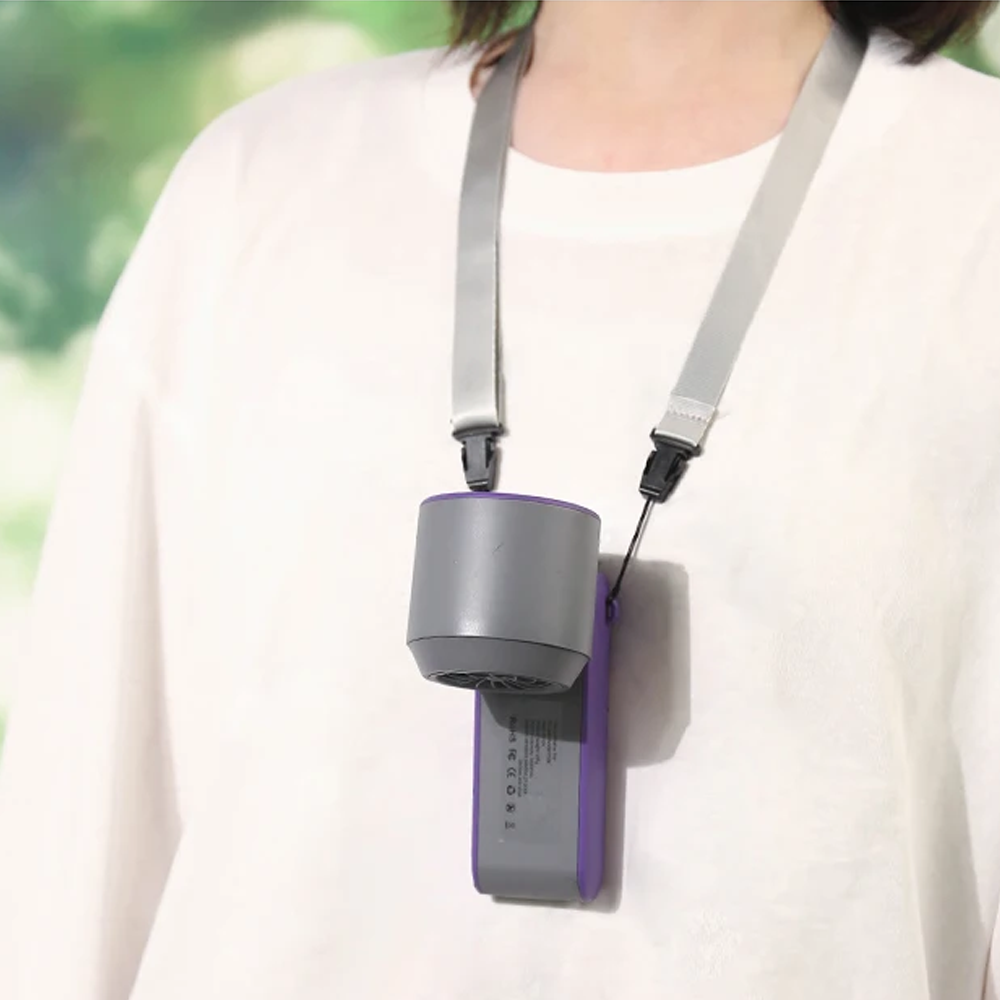
- Hybrid (waist fan worn on a lanyard): a waist fan you hang from your neck when you want it higher up. One device, more positions.
- Waist fan plus a mount: clip the same fan to a vehicle, a bench, scaffolding, or a pram with a magnet or clamp holder. The fan stops being "worn" and becomes a positionable fan anywhere.
Waist fans: the workhorse
A waist fan clips to your belt or waistband and points upward, so the air travels under and through your shirt and across your torso. This matters more than it sounds. Your torso is a large surface area, and moving air across sweaty skin is one of the most effective everyday ways to feel cooler and keep sweat down. It is the reason waist fans are the centre of what we do, and the model most people end up reaching for.
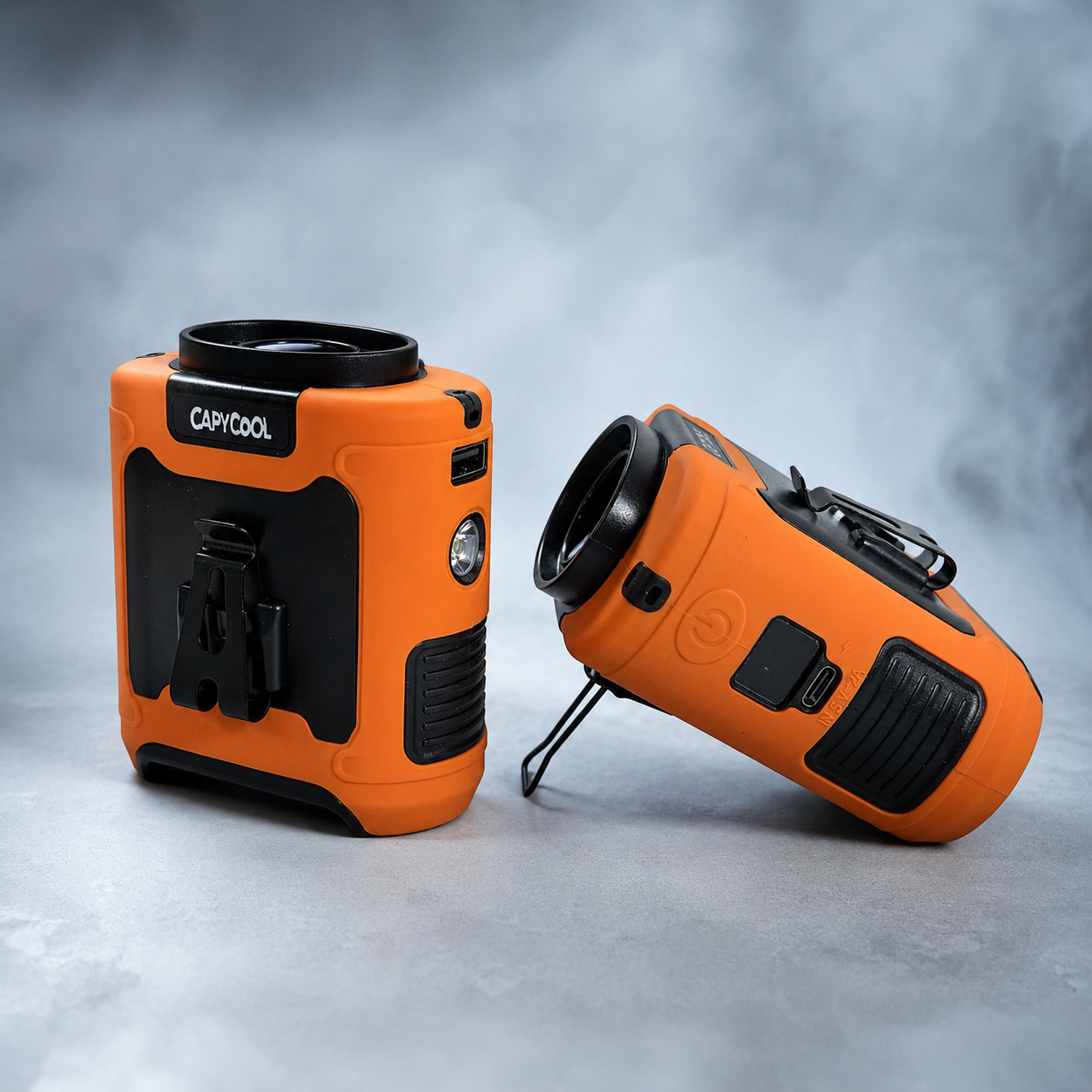
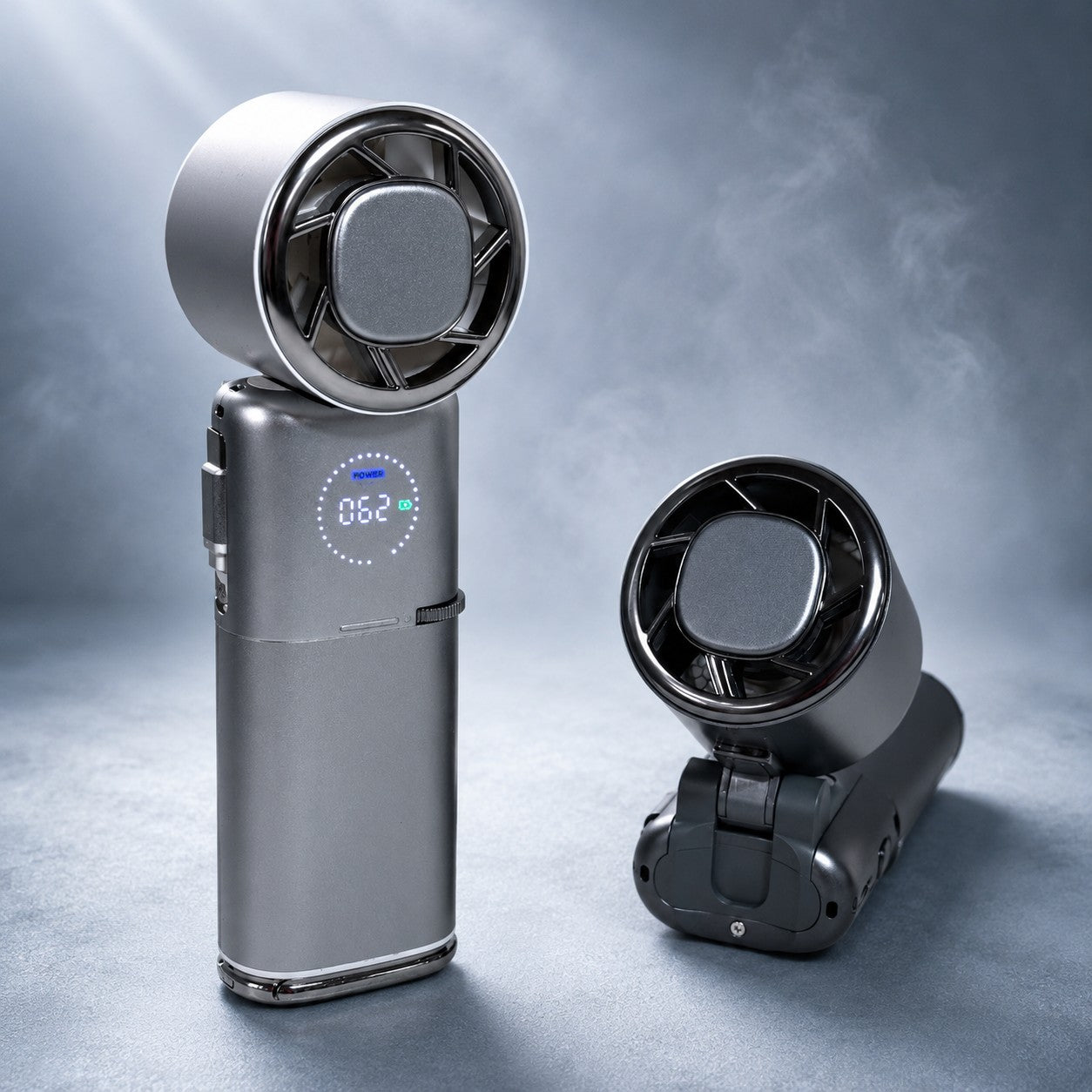
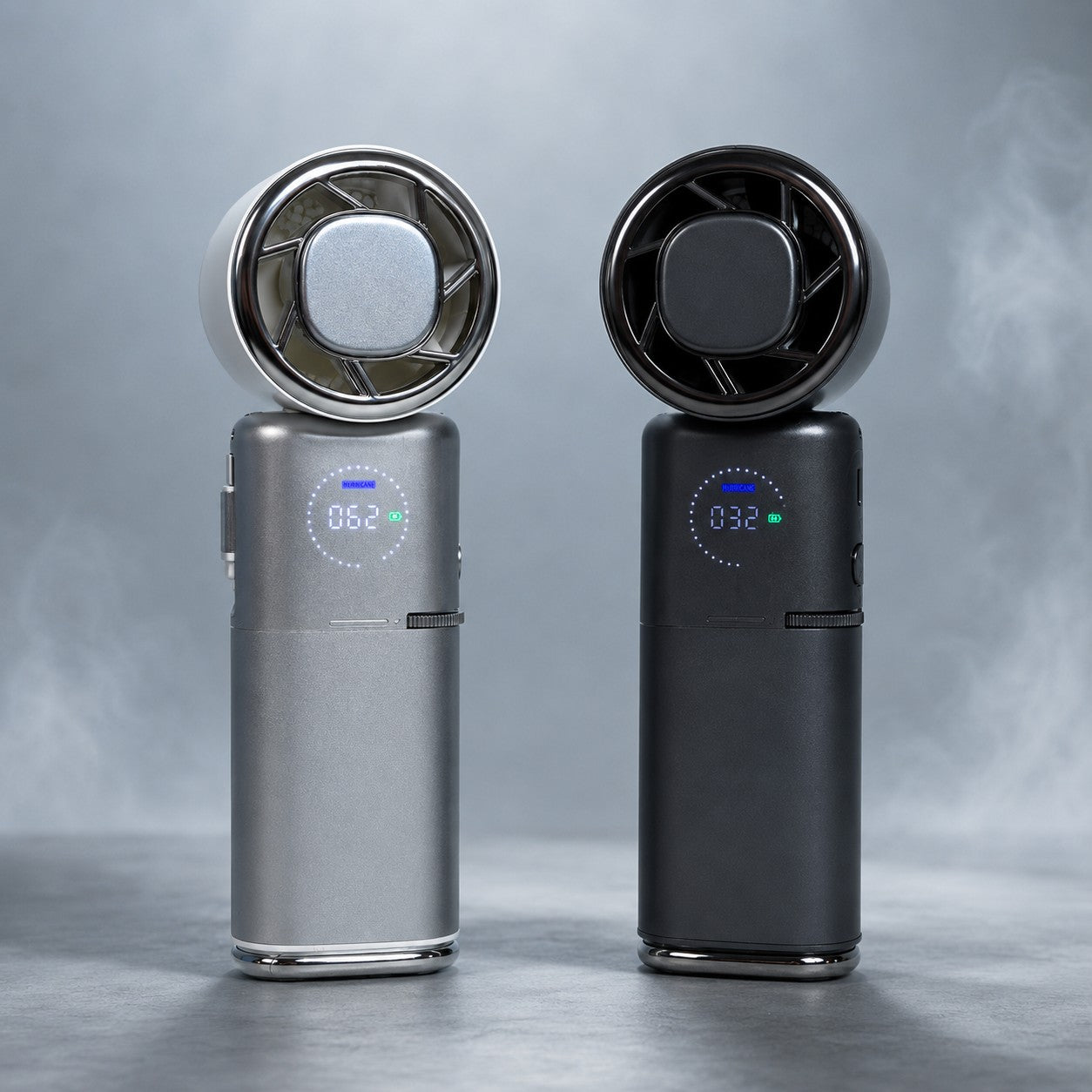
The 3-in-1 Waist Fan is the one we point most people to first. It runs a 10,000mAh battery across five speeds, clips on or mounts to a belt, has a built-in LED torch, and comes with a lanyard so you can wear it around your neck when you want to. The battery life is the part people tend to write to us about.
"On setting 2 it kept going for a full 23 hours across three days." — Callum O.
"Start the day on 100% and it'll still be on 70% at end of shift, while my iPhone would be on 10%." — Sam P.
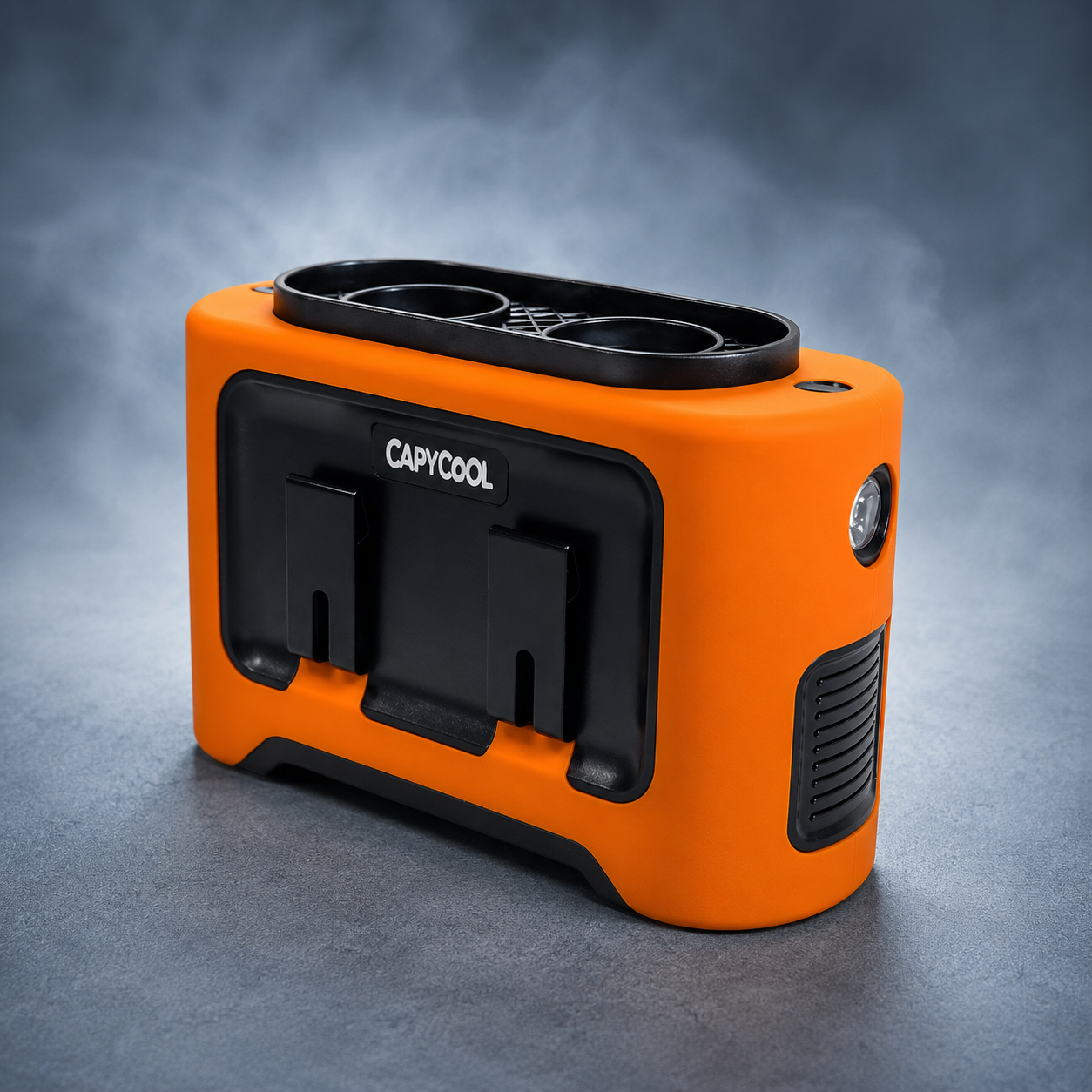
If you are on the tools all day, in a tin shed, or working hot roof spaces, the DualForce Tradie Waist Fan steps things up with a 14,500mAh battery and dual-fan output for longer run time and stronger airflow. It is heavier and louder at the top end, which is the honest trade-off, but that weight is also why it holds up where cheap fans give out.
"Night and day difference vs the cheap Temu crap. Actually insane battery life and a fan I can really feel working." — Ibrahim N.
A fair note while we are here: a personal fan is not an air conditioner. On a still, extremely hot day it will push warmer air, and customers tell us this themselves. Indoors, in shade, or anywhere there is a bit of airflow to work with, it takes the edge off and keeps you from sweating through your shirt. Setting expectations honestly is the difference between loving a fan and being disappointed by one.
Best for: tradies and outdoor workers, warehouse and venue staff, gardeners, anyone who needs sustained cooling for hours and wants their hands free.
Neck fans: discreet and easy
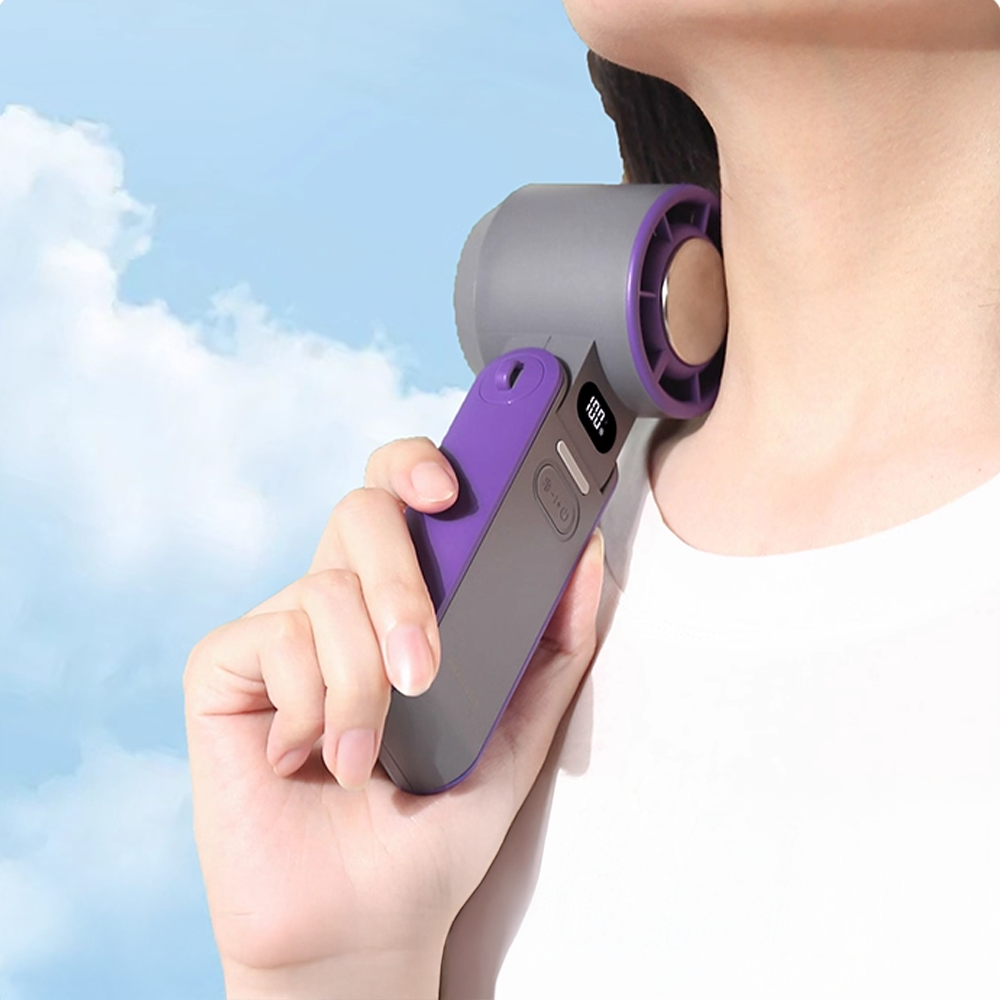
A neck fan sits on your shoulders like a pair of headphones and directs air up at your face and neck. It is the most balanced option when you are not moving around much, and it is the most discreet. You can wear one at a desk, on a plane, or on a hot commute without it being obvious.
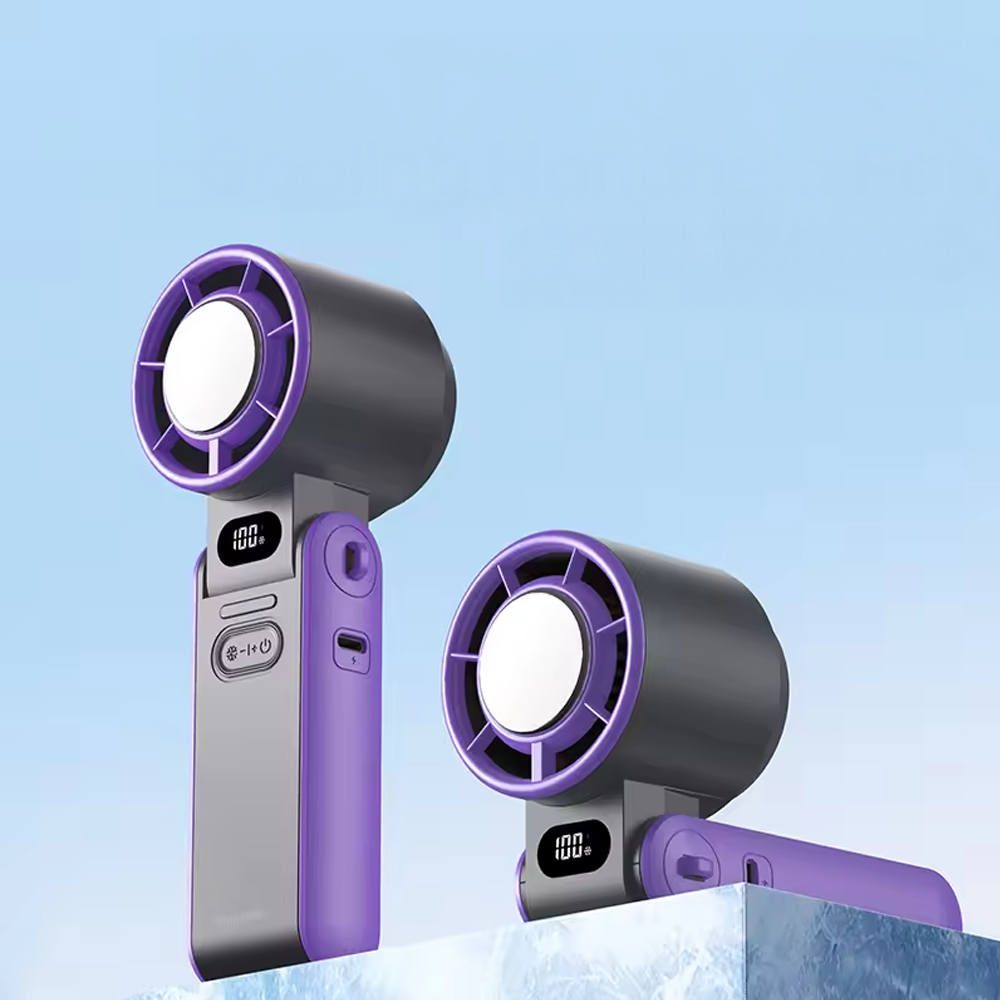
The Directional Rotor Neck Fan lets you aim the airflow with two modes, which is handy when you want the air on your face rather than your collar. If you would rather avoid blades near your hair, the Foldable Bladeless Neck Fan is quieter, lighter, and folds down for a handbag or daypack.
One thing to be clear about: a neck fan is a comfort tool. It feels refreshing and gives quick relief to a hot face and neck, and that genuinely helps you feel better and work more comfortably. It is not going to drop your core body temperature the way sustained torso airflow can. So if your main need is staying comfortable while seated or on the move, a neck fan is ideal. If you need to fight real heat for hours, look at a waist fan.
Neck fans also come up a lot with one specific audience. Women managing hot flushes tell us a neck fan is the easiest way to get fast, discreet relief when a flush comes out of nowhere.
"I get really bad hot flushes and at high power this thing gives me relief very quickly." — Ms B.
Best for: commuting, the office, travel and flights, light exercise, and quick discreet relief from hot flushes. Browse the full neck fans range if this is your main need.
The hybrid: a waist fan worn on a lanyard
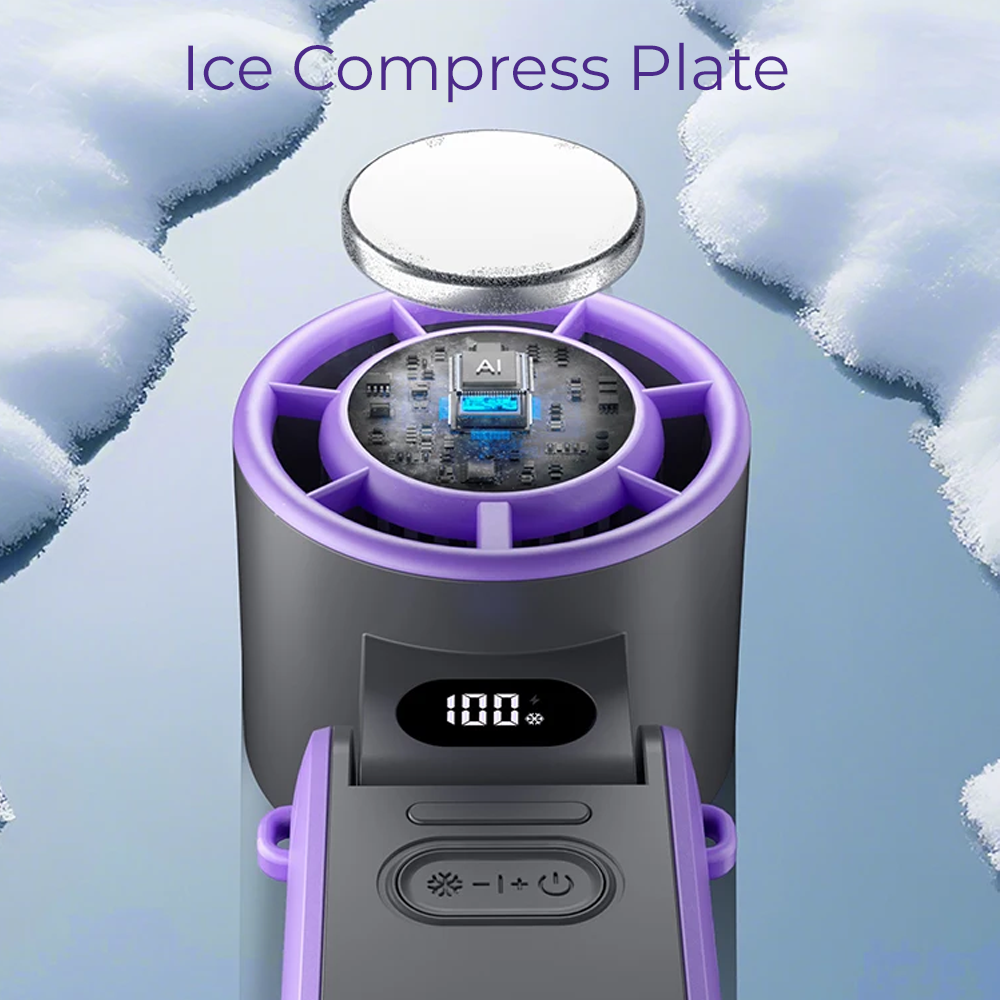
Here is the part most people miss. The 3-in-1 Waist Fan comes with a lanyard, so it does not have to live on your belt. Hang it from your neck and you have got a hanging fan sitting on your chest, pushing air up at your face and neck. Our Foldable Turbo Fan does the same trick and folds flat for travel.
So how does a lanyard-worn waist fan compare to a dedicated neck fan? It comes down to what you want:
- Choose a dedicated neck fan if you want the most discreet, balanced, all-day-comfortable fit that sits neatly on your shoulders and stays out of the way.
- Choose the lanyard-worn waist fan if you want one device that does more. You get stronger airflow, a much bigger battery, a belt-clip mode, a torch, and a mount option, often at a similar or lower price than a standalone neck fan. The trade-off is that it hangs on your chest rather than wrapping your shoulders, so it is a little more noticeable.
For a lot of people, the hybrid wins simply because it removes a decision. One fan covers the waist, the neck, the desk, and the car, instead of buying a separate device for each.
Going further: waist fan plus a mount
The last trick turns a wearable fan into a fan you can stick almost anywhere. With a magnet or clamp holder, the same waist fan you wore to the job clips onto a steel surface, a bench, scaffolding, your ute, a tent pole, or a pram frame. It is no longer "worn", it is positioned exactly where you want the air, hands-free, and it goes back on your belt when you move on.
The Personal Waist Fan with Holder Mount bundles a waist fan with a holder so one fan serves several spots. For trade and vehicle setups, the DualForce paired with a magnet or clamp mount is the basis of our vehicle bundle, made for fixing strong airflow to a four-wheel-drive, a ute cab, or a fixed work position. You can see the mounting options across our cooling accessories.
Parents get good use out of this too. A clamp-style pram and stroller fan holder turns a handheld or waist fan into a secure pram fan, which means more airflow than a tiny clip-on novelty fan, with the fan kept well clear of little hands. A quick safety note for prams: keep the fan secured and out of reach, point it to circulate air rather than blasting directly at a baby, and never cover the pram, since a covered pram traps heat.
Best for: tradies who move between worn and fixed cooling, four-wheel-drive and caravan owners, anyone who wants desk-and-go flexibility, and parents wanting real airflow on a pram.
Which one is right for you?
| You are... | Start with |
|---|---|
| On the tools or working outdoors all day | DualForce Tradie Waist Fan |
| After one versatile fan that does almost everything | 3-in-1 Waist Fan |
| Commuting, in the office, or travelling | Foldable Bladeless Neck Fan |
| Managing hot flushes and want discreet relief | A neck fan or the 3-in-1 on its lanyard |
| Wanting to fix a fan to a vehicle, bench or pram | A waist fan plus a magnet or clamp mount |
If you only take one thing away: the 3-in-1 Waist Fan is the safest first buy for most people, because it covers the most situations on its own. Step up to the DualForce if you are working long, hot shifts. Add a neck fan if discreet seated comfort is your real priority.
Frequently asked questions
Are waist fans or neck fans better?
It depends on the job. Waist fans move air across your whole torso and are the stronger choice for sustained cooling during outdoor work or long shifts. Neck fans are more discreet and better for staying comfortable while seated, commuting, or travelling. Many people end up with a waist fan as their main cooler and use its lanyard to wear it around the neck when they want air higher up.
Do hands-free fans actually keep you cool?
Yes, with realistic expectations. Moving air across skin helps sweat evaporate, which is how your body cools itself, so a personal fan genuinely takes the edge off and keeps sweat down in most conditions. It is not an air conditioner. On a still, very hot day it will move warmer air, so it works best indoors, in shade, or anywhere there is some airflow to begin with.
How long does the battery last?
It varies by model and speed. The 3-in-1 Waist Fan runs a 10,000mAh battery and customers regularly report full-shift life on higher settings and much longer on lower ones, with some reporting well over a day of total use across a few sessions. The DualForce Tradie fan carries a larger 14,500mAh battery for even longer run time. Lower speeds stretch the battery a long way.
Can one fan work as both a waist fan and a neck fan?
Yes. The 3-in-1 Waist Fan and the Foldable Turbo Fan both come with a lanyard, so you can clip them to your belt or hang them around your neck. That makes them a practical hybrid: one device that covers torso cooling, neck cooling, desk use, and more, instead of buying a separate fan for each.
Are neck fans noisy?
At their top speed, most personal fans are audible, and that is the most common comment we get across the range. People manage it easily by running a lower setting indoors or in quiet spaces and turning it up outdoors where the surrounding noise covers it. The trade-off of a bit of noise for strong airflow is one most customers happily make.
Can I attach a fan to my pram, car or work bench?
Yes, with a mount. A magnet or clamp holder lets a waist or handheld fan fix to a steel surface, a vehicle, scaffolding, a bench, or a pram frame, so it stays hands-free wherever you put it. For prams, keep the fan secured and out of a baby's reach, aim it to circulate air rather than blow directly on them, and never cover the pram.
Ready to free up your hands?
If you are still deciding, the 3-in-1 Waist Fan is the easiest place to start, since it doubles as a neck fan and takes a mount. Working long days in the heat? Go straight to the DualForce Tradie Waist Fan. Want to see the full lineup first? Have a look through our portable fans and waist fans. All orders ship fast from our Sydney warehouse.











Share:
Rechargeable vs Disposable Hand Warmers: Which Is Better?
Why Capycool Fans Are Different