



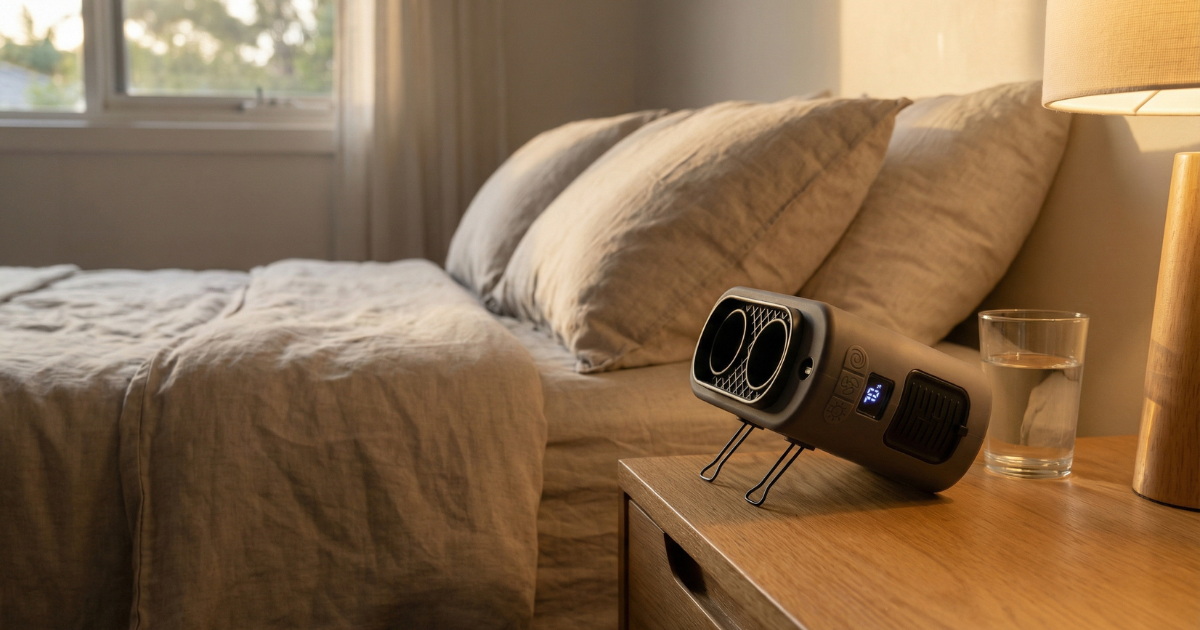
A CapyCool deep dive into the science of hot nights, the difference between humid and dry heat across Australia, and how to get the most out of your portable fan.
The Bureau of Meteorology just released its long-range forecast for autumn 2026, and if you were hoping for some relief after a brutal summer, it's not great news. Overnight temperatures are forecast to be above average across most of Australia, covering Queensland, New South Wales, the ACT, Victoria, South Australia, and Western Australia. Summer heat is expected to persist well into the season, with the BOM noting that autumn days and nights are likely to be warmer than average across much of the country.
In other words: the hot nights aren't done with us yet.
There's a special kind of misery that comes from lying in bed at 1am, staring at the ceiling, sweating. You've kicked the sheets off. You've tried the cold side of the pillow. You've opened the window. Nothing works.
Hot nights genuinely sabotage your sleep on a biological level. Whether you're in steamy Brisbane or a 35-degree dry evening in Perth, the problem is real, but the solution is actually different depending on where you are.
We spend a lot of time thinking about cooling at CapyCool, so let's get into the actual science behind what happens when you sleep hot, why humid and dry heat are completely different problems, and exactly how to use a portable fan to get the most out of a warm night.
What Heat Does to Your Sleep
Your body uses sleep as a time to cool down. Core body temperature needs to drop by about 1-2°C before your brain will properly initiate sleep. It's a biological signal that says "time to rest." Once you're asleep, the process continues, with temperature dropping further during deep slow-wave sleep.
When your bedroom is too warm, your body simply can't release heat effectively. The biological trigger for sleep gets blocked, making it genuinely difficult, sometimes impossible, to fall asleep.
A 2024 systematic review published in Sleep Medicine Reviews found that higher outdoor or indoor temperatures are generally associated with degraded sleep quality and quantity worldwide, with the negative effects being strongest during the hottest months and in the warmest regions.
Experts consistently recommend an ideal sleep temperature for adults of 16°C to 19°C. For context, a typical Australian summer bedroom on a 30°C day without air conditioning is sitting anywhere from 24°C to 28°C. That's well outside the zone. Around one in three Australians reports waking up in the middle of the night due to the heat, so if you've been lying there wondering why you can't sleep, you're in good company.
The Humid/Dry Split: Australia Is Two Different Problems
Australia has wildly different climates, and this matters enormously when it comes to cooling strategy.
Coastal humid zones (Brisbane, Darwin, Cairns, coastal NSW, northern Queensland) deal with nights where the heat is accompanied by high moisture in the air. Relative humidity above 70-80% in summer is common in these areas.
Dry inland heat (Perth in summer, Adelaide, outback Queensland, regional NSW) means temperatures can be extreme, but the air is relatively dry.
The difference goes deeper than comfort. It's about how your body cools itself.
Your primary cooling mechanism is sweating. Sweat evaporates from your skin, taking heat with it. That process, evaporation, is what a fan actually assists. But evaporation requires the air to have room to absorb moisture. When the air is already saturated with water vapour, sweat has nowhere to go and the body's natural air-conditioning system effectively shuts off.
This is why a 28°C humid night in Brisbane can feel far more brutal than a 32°C dry night in Perth. The temperature reading lies to you.
Research published in the Journal of Physiological Anthropology confirms it: humid heat exposure increases wakefulness, decreases REM sleep and slow wave sleep, and suppresses the natural drop in core body temperature that healthy sleep depends on. It degrades every stage of sleep, not just your ability to fall asleep.
How Fans Actually Work (The Physics)
Before getting into strategy, it's worth understanding what a fan is actually doing.
A fan cools you, not the room. By blowing air across your skin, it accelerates the evaporation of sweat, which is how your body eliminates heat. The more evaporation, the cooler you feel. This is the wind chill effect in action: the same physics that makes a breezy day feel more comfortable than a still one at the same temperature.
Moving air breaks up the warm, moist boundary layer that forms on your skin. That thin pocket of warm, humid air immediately around your body is your biggest enemy on a hot night. Blow it away and cooler, drier air takes its place. The room temperature might be 27°C, but the perceived temperature on your skin can be several degrees lower with consistent airflow over it.
The effectiveness of this process depends heavily on humidity. When the air is already saturated with moisture, sweat can't evaporate as readily, and the cooling effect from a fan is reduced. But it still works through convection, moving heat away from your skin even when evaporation is limited.
Humid Night Strategy vs. Dry Night Strategy
Most people treat every hot night the same. They shouldn't.
Humid climates (Brisbane, Darwin, coastal NSW)
In high humidity, the goal shifts from evaporative cooling to convective cooling. You're less reliant on sweat evaporation and more reliant on moving air across your skin to transfer heat away by convection.
What actually helps on humid nights:
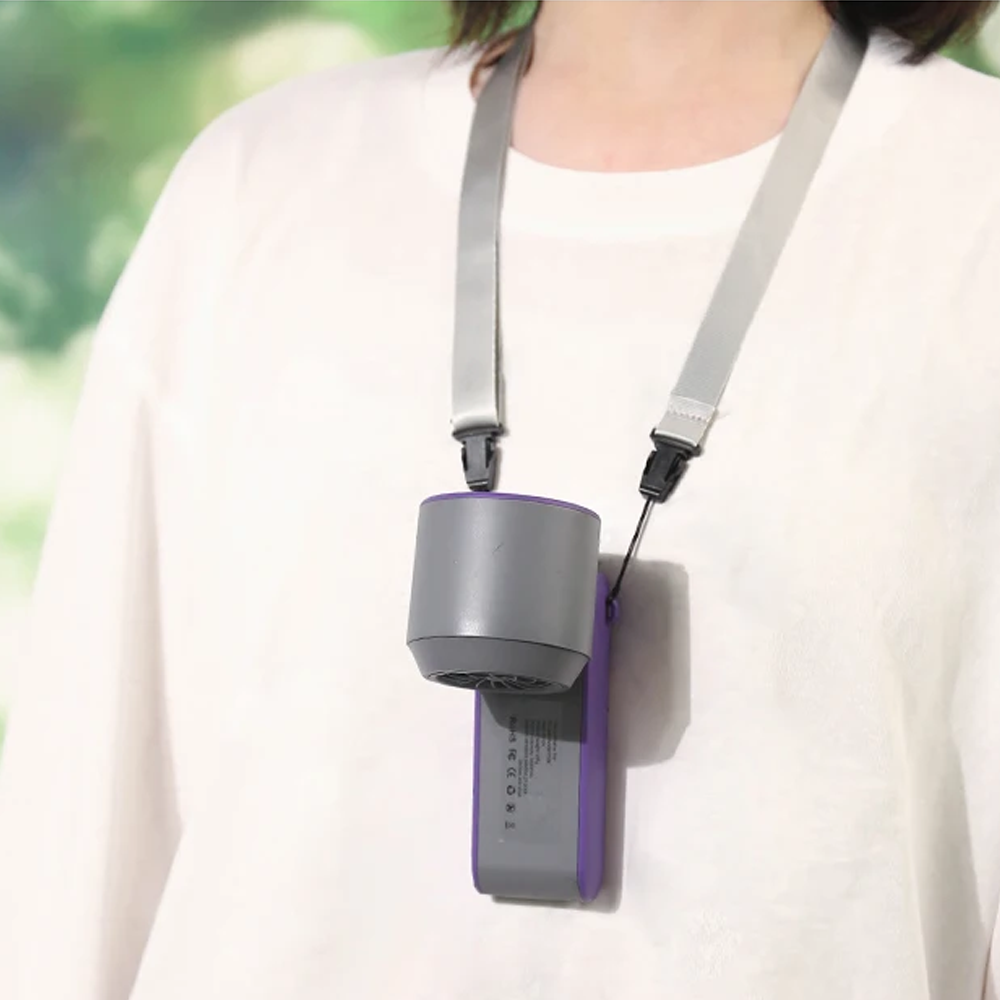
- Target airflow at your core. Your torso, where most of your heat-generating organs live, benefits enormously from sustained airflow. This is where a waist fan earns its place: it delivers a constant breeze directly to your core while you sleep, hands-free.
- Pre-cool the room before you get in bed. Run the fan (or AC) for 30 minutes before sleeping. Getting into a hot room and switching on a fan helps less than climbing into a room that already has some airflow through it.
- Sleep lighter. Fewer layers mean more skin exposed to moving air.
- Ventilate in the early hours. Outdoor air is often drier than indoor air after midnight. Opening windows during that window can bring humidity down inside.
Dry heat climates (Perth summer, Adelaide, inland towns)
Dry heat can feel extreme on the thermometer, but your body's cooling system works properly. Sweat evaporates. The challenge is staying ahead of the heat load.
Airflow works more efficiently in dry conditions because the air can actually absorb moisture. A fan directed at you creates genuine evaporative cooling, your sweat doing its job with the breeze amplifying it. The perceived temperature on your skin can drop several degrees below ambient.
What helps on dry nights:
- Dampen your skin before sleeping. A brief cool shower or misting your arms with water before bed dramatically amplifies the fan's effect by giving it more evaporation to work with.
- Combine the fan with ventilation. In many dry-heat areas, outdoor temperatures drop significantly after midnight. A fan positioned to draw that cooler outside air in works much harder than one just recirculating indoor air.
- Position at waist or mattress height. Airflow across the largest surface area of your body maximises the evaporative effect.
Getting the Most Out of a Waist Fan for Sleep
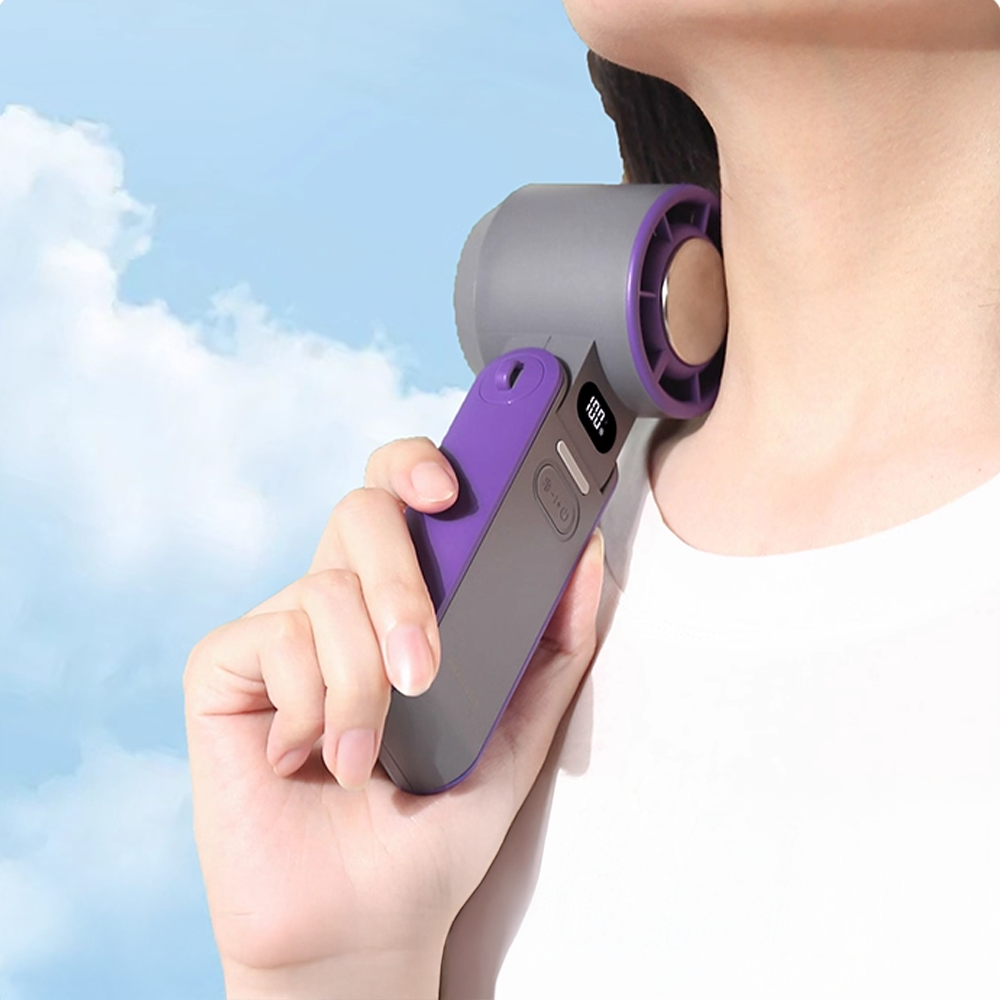
Most bedroom fans deliver diffuse, general airflow across the whole room. A waist fan delivers targeted, sustained airflow to your core. When you're lying down, that means your chest, stomach, and waist are getting continuous, direct cooling where your body generates the most heat.
A few tips worth knowing:
Position matters. Clipped to the bed frame or placed at mattress height pointing at your torso works better than angling it at your face. You want a steady breeze across as much skin as possible.
On humid nights, add a damp cloth. Drape a slightly damp towel over your torso before sleeping. The fan drives evaporation from the cloth as well as your skin, effectively turning your sleeping setup into a low-tech evaporative cooler. It works better than most people expect.
On dry nights, mist your skin first. A quick spray of cool water before you turn in, combined with the fan, gives you active evaporative cooling for the first 30-40 minutes of sleep. That window is exactly when your body needs to make its temperature drop to initiate deep sleep.
Use lower speeds for longer. A high-speed fan creates a strong cooling effect initially but can dry out your airways and disturb light sleep. A lower, steadier speed that runs all night tends to produce better sleep quality overall.
Pull cool air in from outside. If outdoor temperature has dropped below indoor temperature (typically after midnight in most Australian cities), position the waist fan near a slightly open window to draw in cooler outside air alongside the personal cooling.
The DualForce Advantage: More Air, Less Noise
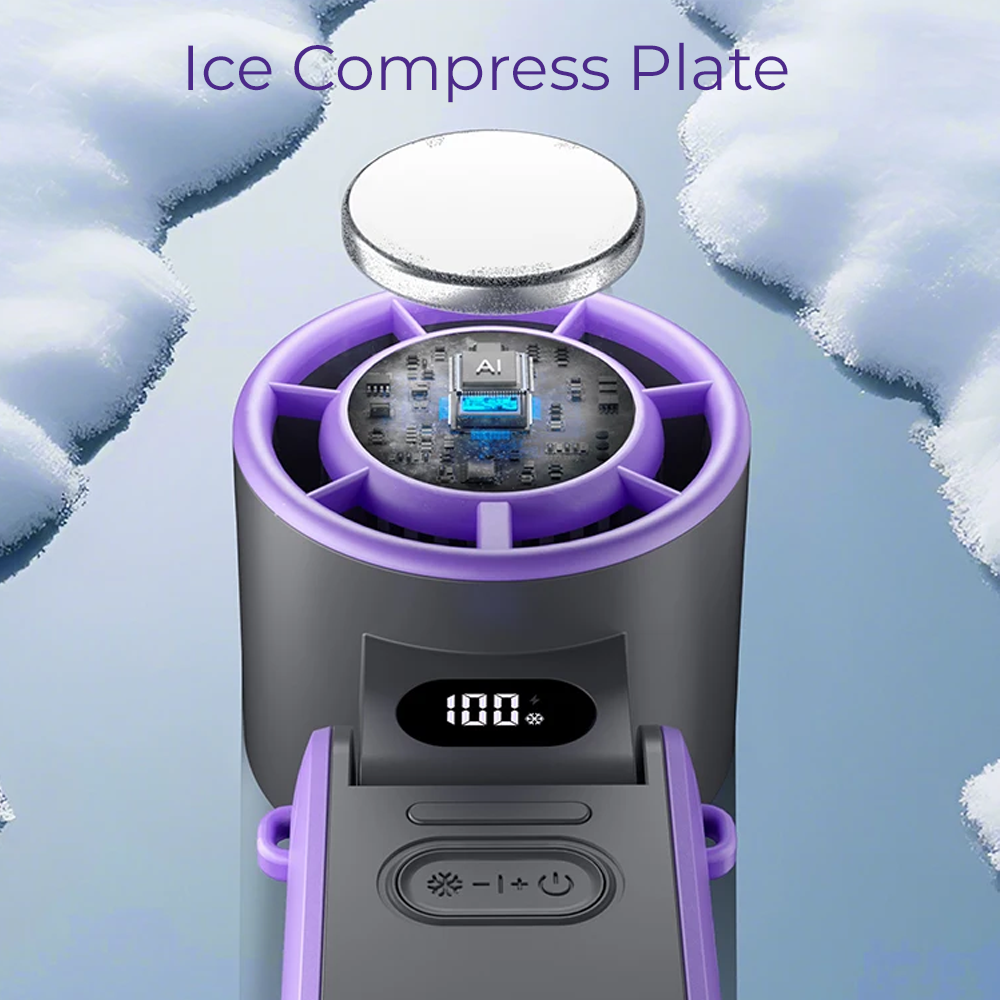
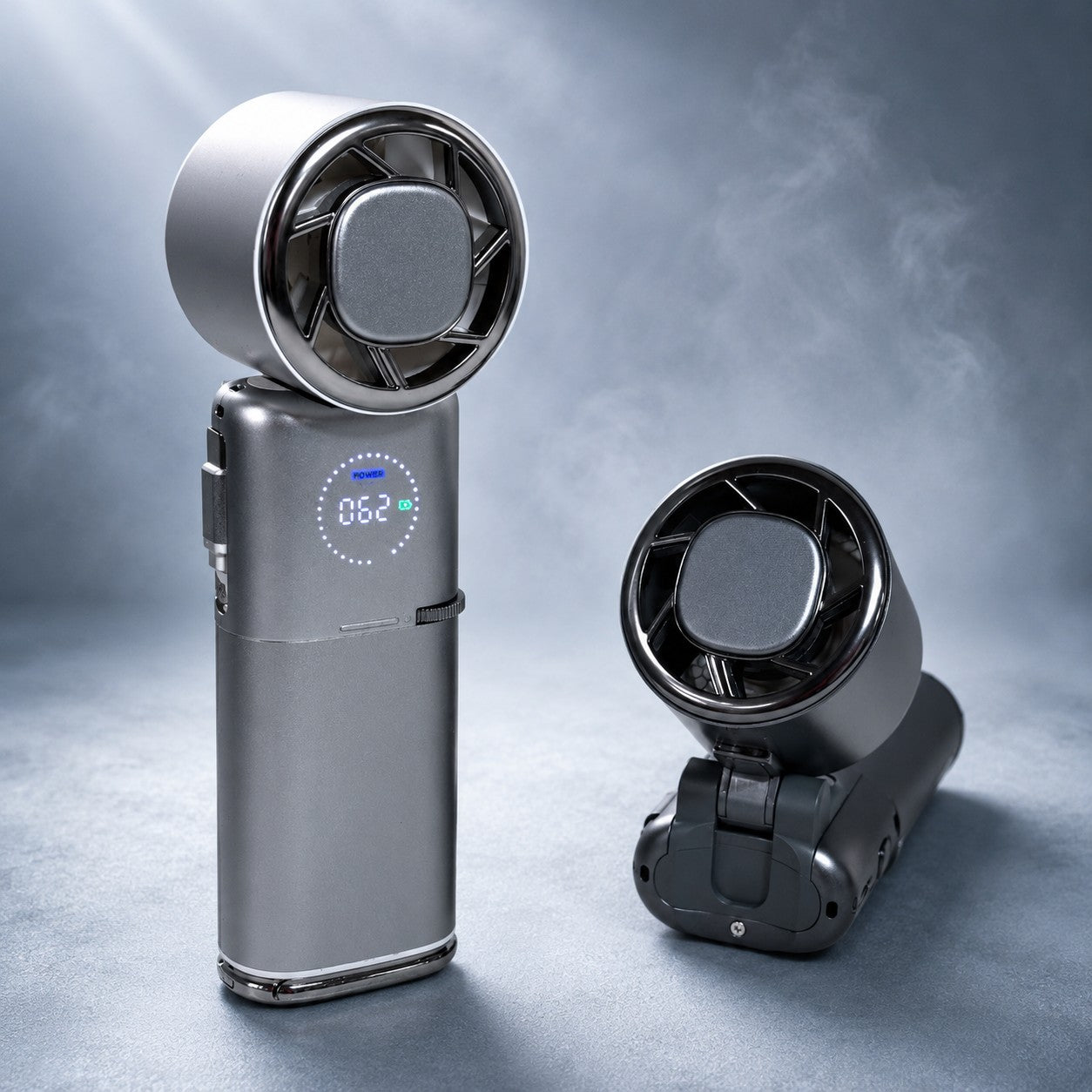
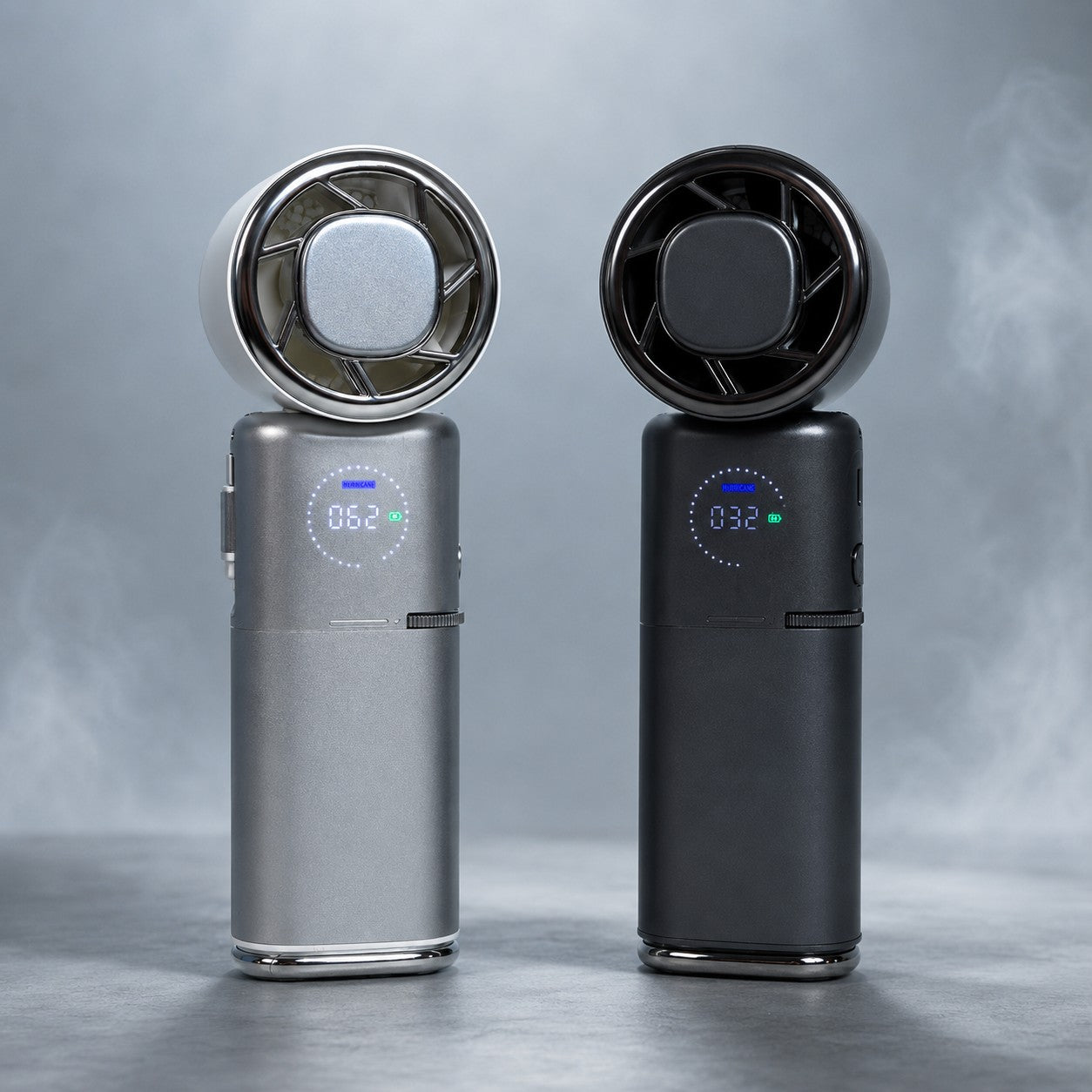
One thing that genuinely changes the sleep equation is how much air a fan actually moves. The DualForce waist fan has a dual-motor setup that moves significantly more air volume than a single-motor fan. This matters at night for a specific reason: to generate meaningful airflow from a single motor, you have to spin it faster, and faster means louder.
With higher air volume available, the DualForce can run at a lower speed setting and still push out more air than a standard fan at a higher one. You get stronger, more effective airflow with less noise, which is exactly what you want when you're trying to sleep. The fan isn't working as hard to achieve the same result, so the motor runs quieter. It's the same principle behind why larger ceiling fans are often quieter than small desk fans even when moving more air.
For light sleepers especially, this matters a lot. The hum of a fan on high can be just as disruptive as the heat itself.
The Kickstand Ground Position: Two Ways to Use It
The built-in kickstand on the DualForce opens up a positioning option that most people don't think about: placing the fan on the floor, angled upward. It looks unconventional, but there's solid physics behind why it works well for sleep, and two distinct ways to use it depending on what you're after.
For direct body cooling: angle it at your torso.
Cold air is denser than warm air and naturally sinks to floor level. When you place the fan on the ground and angle it up toward your body on the bed, you're drawing from the coolest air in the room and directing it straight at you. The airflow reaches your core and lower body continuously, and the natural sink of cool air means the fan is always pulling from the freshest, coolest source available at floor level. For hot sleepers who want maximum personal cooling, this is the most effective position.
For ambient room cooling: angle it above your body.
The second approach is less about direct personal cooling and more about changing the temperature of the whole room over time. Warm air accumulates near the ceiling; cool air settles at the floor. By angling the fan upward past your body toward the ceiling, you create a convective current that circulates the room's air: cool air rises from the floor, warm air at the ceiling gets pushed around and eventually out through any ventilation. Over 30 to 60 minutes, this gradually brings the overall room temperature down, which benefits your sleep even when you're no longer directly in the airstream.
The practical approach for most people is to start with the fan angled at your body when you first get into bed, when you need the most immediate cooling, then drop it to a lower speed angled above body level once the room has settled and you're drifting off. You get the best of both without running the fan on high all night.
One Limit Worth Knowing
There's a point where the air temperature gets too high for a fan to help, and it's worth knowing where that line is. Above approximately 35°C, a fan blows air that is hotter than your skin, which accelerates heat stress rather than relieving it. If you're in an extreme heat event and the bedroom is at 37°C, you need air conditioning.
For most Australian summer nights, though, indoor temperatures sit well within the range where personal airflow makes a real, measurable difference to comfort and sleep quality. The optimal indoor humidity for sleep is 40-60%, and while you can't control outdoor humidity, you can control airflow. That gives you more leverage than most people realise.
The right tool, positioned well, makes hot nights genuinely manageable.











Share:
Standing With Victoria During the Ongoing Bushfires
Tired of Paying Through the Nose for Diesel? There's a Smarter Way to Stay Cool Off-Grid