



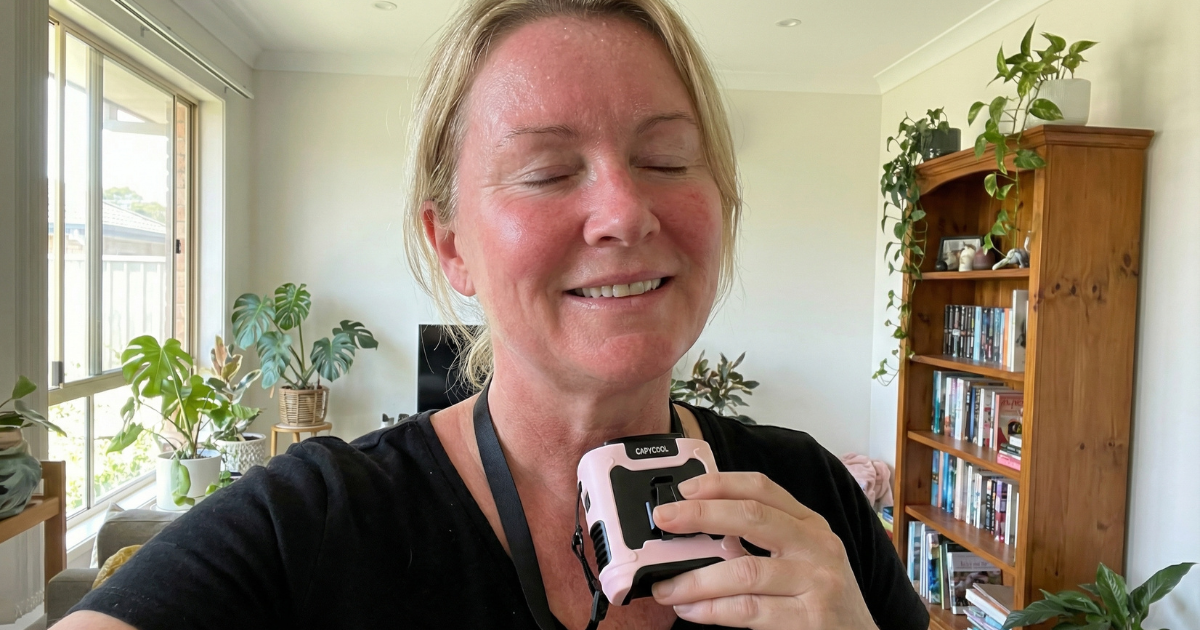
If you have ever stood in front of a fan on a hot day and pointed it straight at your face, you already know the relief is instant. There is a reason for that, and it goes deeper than "moving air feels nice." Your face and neck are the most cooling-sensitive parts of your body, and directing airflow upward at them is one of the most efficient ways to feel cooler fast.
This is the thinking behind the way our waist fans and neck fans are designed. Here is what the research actually says, and why it matters when you are picking a personal fan.
Your face and neck feel cooling first, and feel it strongest
Not all skin is equal when it comes to cooling. The skin on your face, neck, head and ears is packed with a far higher density of cold-sensitive receptors than the skin on your arms, legs or torso. Scientists call this alliesthesial sensitivity, which is a fancy way of saying these areas have an outsized say in whether your whole body feels hot or cool.
A 2022 review published in Sports Medicine Open found that cooling the head, face and neck triggers an immediate drop in whole-body thermal discomfort when someone is hot, far more than you would expect from such a small area of skin. A 2025 meta-analysis in the International Journal of Sports Physiology and Performance went further, concluding that cooling the face delivers a greater comfort benefit than cooling the torso and limbs during exertion in the heat.
In plain terms: a small amount of airflow aimed at your face does more work than a much larger fan blowing at your body. You are targeting the area where your brain reads temperature most strongly.

You feel cooler even when your core temperature has barely moved
Here is the part that surprises people. The cooling effect on your face is partly perceptual, and that is a good thing.
In a 2021 study in the Journal of Physiological Anthropology, ten men cycled for 40 minutes in a sweltering 35 degree chamber. When their faces were cooled during the ride, their rating of perceived exertion dropped sharply. They reported the work as significantly easier, even though they were pedalling just as hard. An earlier study found that face cooling after a sauna brought perceived effort right back down to a normal level, effectively cancelling out the strain of being overheated.
If you work outdoors, on a site, in a warehouse or in the garden, this is the practical takeaway. Airflow at your face and neck makes hard work in the heat feel meaningfully easier, without you needing to stop or slow down.
Moving air does two jobs at once: convection and evaporation
When air flows across your skin, two cooling mechanisms kick in together.
The first is convection. Still air sitting against your skin warms up and traps heat. Moving air sweeps that warm layer away and replaces it with cooler air, keeping heat flowing off your body. Skin is responsible for roughly 90 per cent of how your body sheds heat, and convection depends entirely on air moving over exposed surfaces. Your face and neck are usually your most exposed skin, so they are exactly where airflow earns its keep.
The second is evaporation, and this is the big one. Sweating is your body's most powerful built-in cooling system, but it only works if the sweat can actually evaporate. On a humid day, or under clothing, sweat just sits there and you stay clammy and hot. Research on fan-cooled clothing has shown that forced airflow replaces the moist air sitting against the skin with drier outside air, which dramatically speeds up sweat evaporation and cools the whole body, not just the spot the air is hitting.
A fan directed at your face and neck is helping both of these happen at the same time.

Hot air rises, so blowing upward works with your body, not against it
Here is a simple bit of physics that makes a real difference. Heat rises. When you are wearing a shirt, hi vis, or any kind of layered clothing, your body heat gets trapped in a warm, humid column between your skin and the fabric.
A fan worn at the waist with the airflow pointed upward pushes that trapped air up and out through your collar and sleeves, while drawing cooler air in at the bottom. It ventilates the entire inside of your shirt, like a chimney clearing warm air out the top. This is the same principle behind the air conditioned work jackets popular with tradies in Japan.
This is why an upward facing waist fan beats a handheld fan for anyone in a shirt or workwear. A handheld fan cools one small patch of skin. An upward fan flushes warm air off your whole torso and finishes by cooling your face and neck on the way out.
A small calming bonus
There is one more effect worth knowing. Cooling the skin on your face gently stimulates the trigeminal nerve, which in turn nudges your vagus nerve and produces a mild calming, settling response. It is the same family of reflexes behind why splashing cold water on your face feels so refreshing when you are stressed or overheated. Airflow from a fan is milder than cold water, so do not expect miracles, but it is part of why a fan at your face feels genuinely soothing rather than just cold.
Why this matters if you get hot flushes
For women managing hot flushes and night sweats, the face and neck are ground zero. A hot flush begins with blood vessels widening in the face and chest, sending a rush of heat upward. That is exactly the area a neck fan or upward waist fan targets.
A 2020 pilot study published in Sleep Medicine had women with insomnia and recurrent hot flushes use a forehead cooling device each night for four weeks. They reported falling asleep faster, waking less, and milder night time hot flushes within the first week. Directing cool airflow at your face and neck the moment a flush starts can shorten it, clear the sweat that follows, and head off the chill that often comes after.
This is one of the reasons our cooling gear is popular year round with this group. The need does not disappear when the weather cools down.

How CapyCool fans are built around this
Everything above shaped how we designed our range. The goal is simple: get airflow to your face and neck efficiently, hands free, wherever you are.
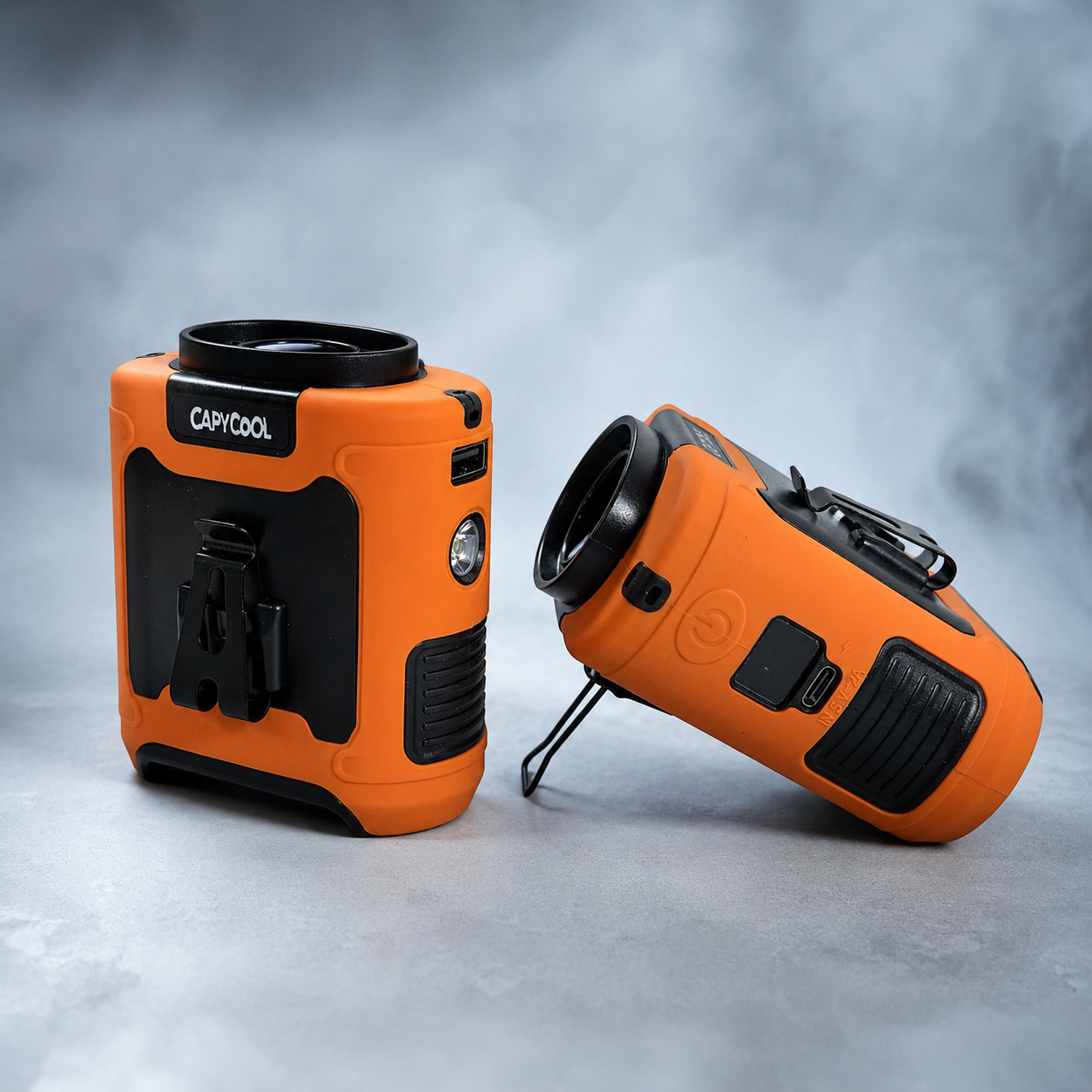
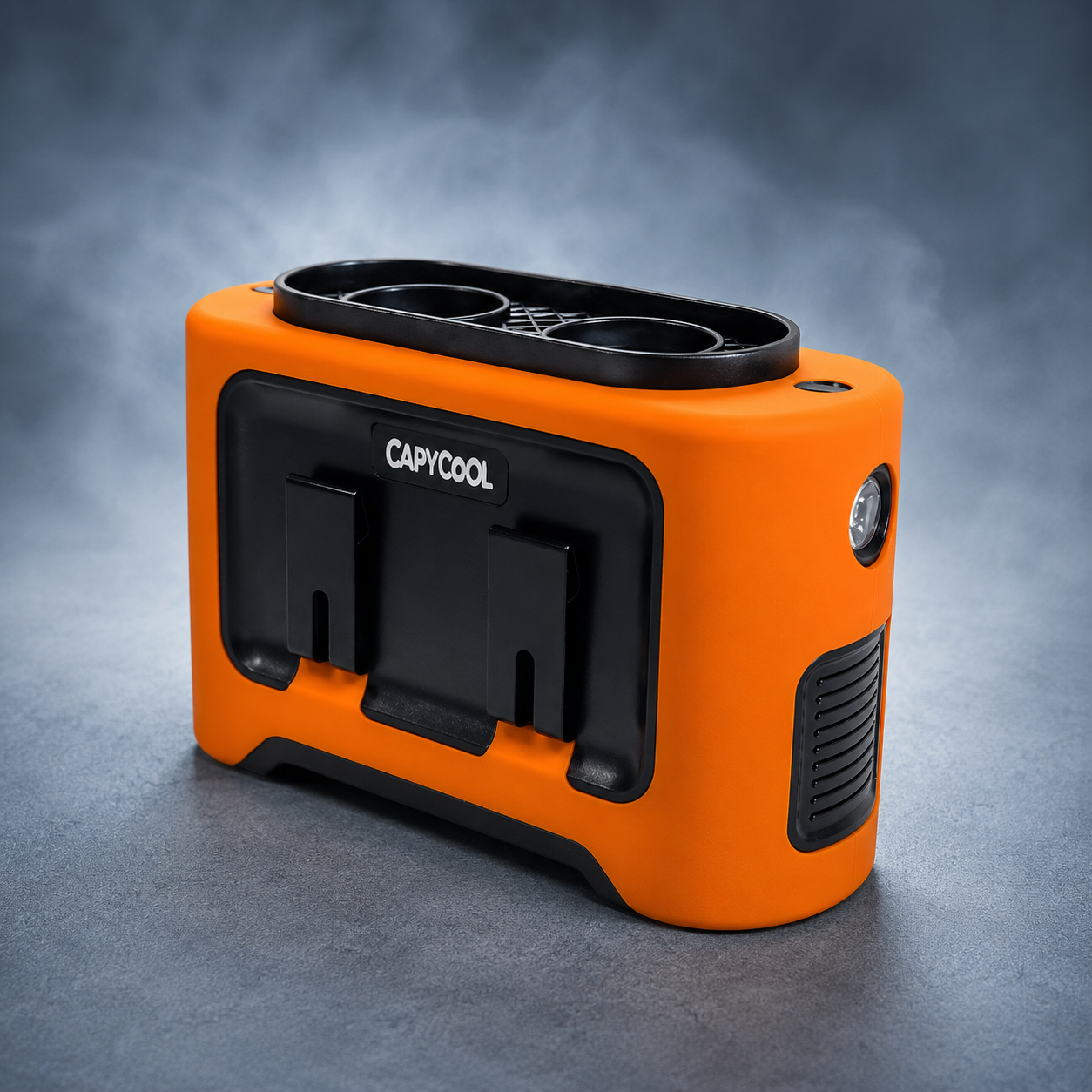
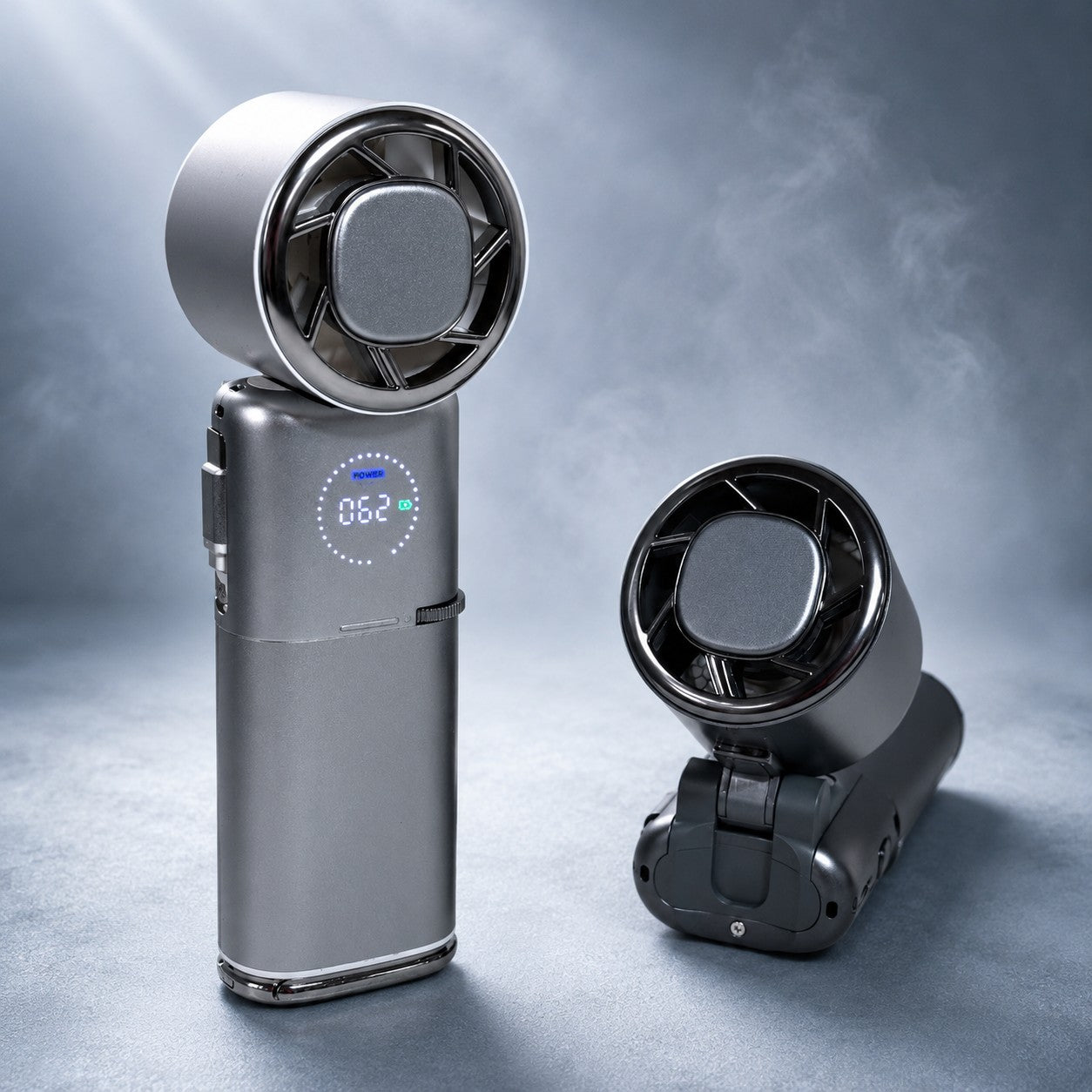
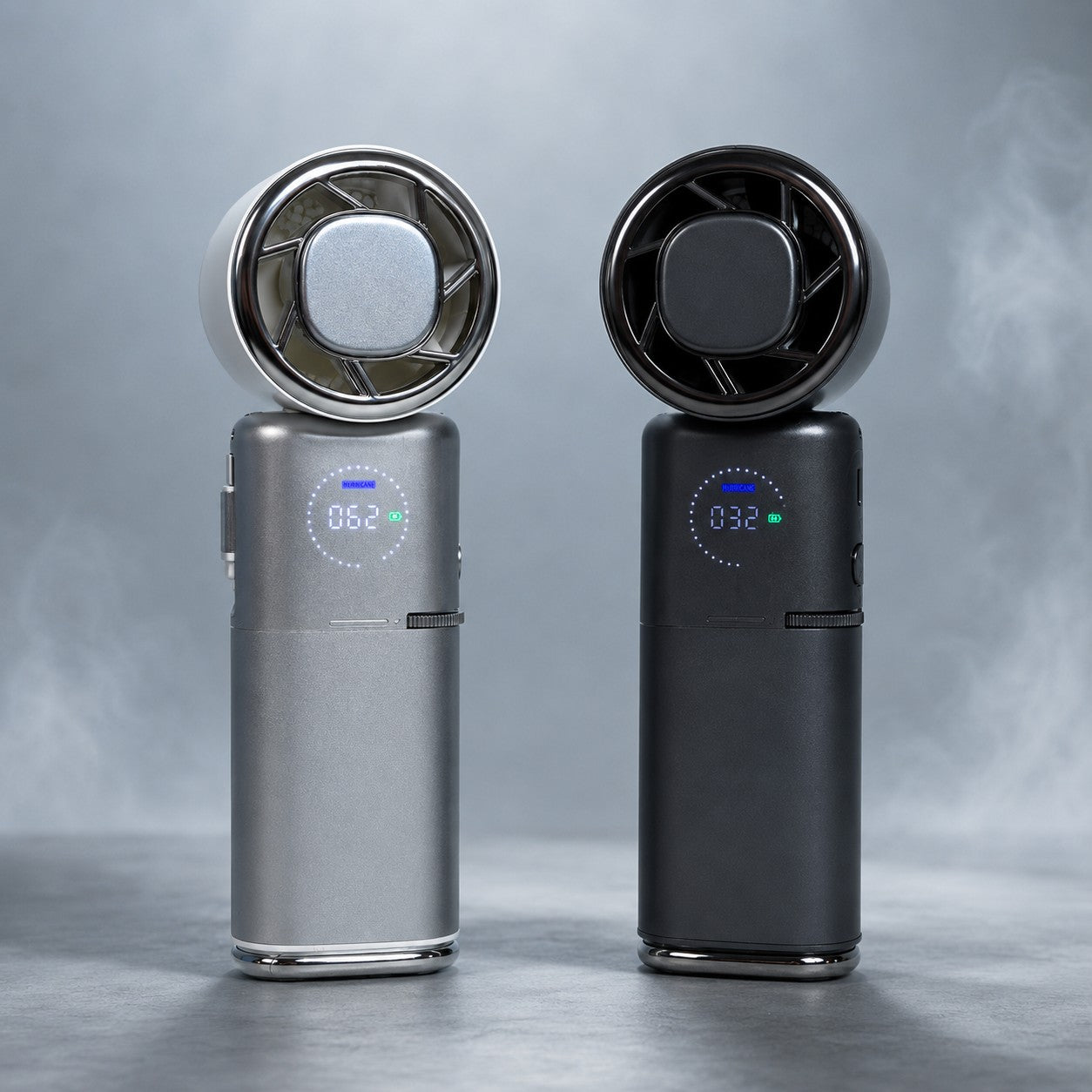
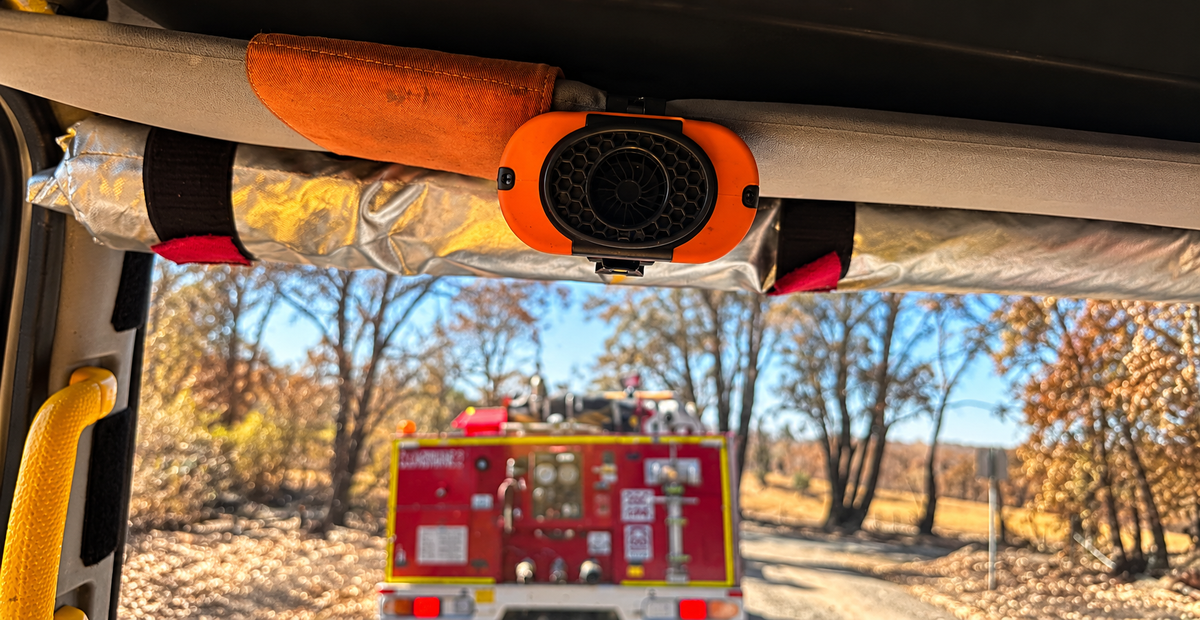
Waist fans. Our CapyCool OG Waist Fan (10,000mAh) and the more powerful DualForce Waist Fan System (14,500mAh) clip at your waistband and direct air upward through your shirt, cooling your torso, neck and face in one go. They are our top picks for tradies, outdoor workers, gardeners and anyone who needs both hands free.
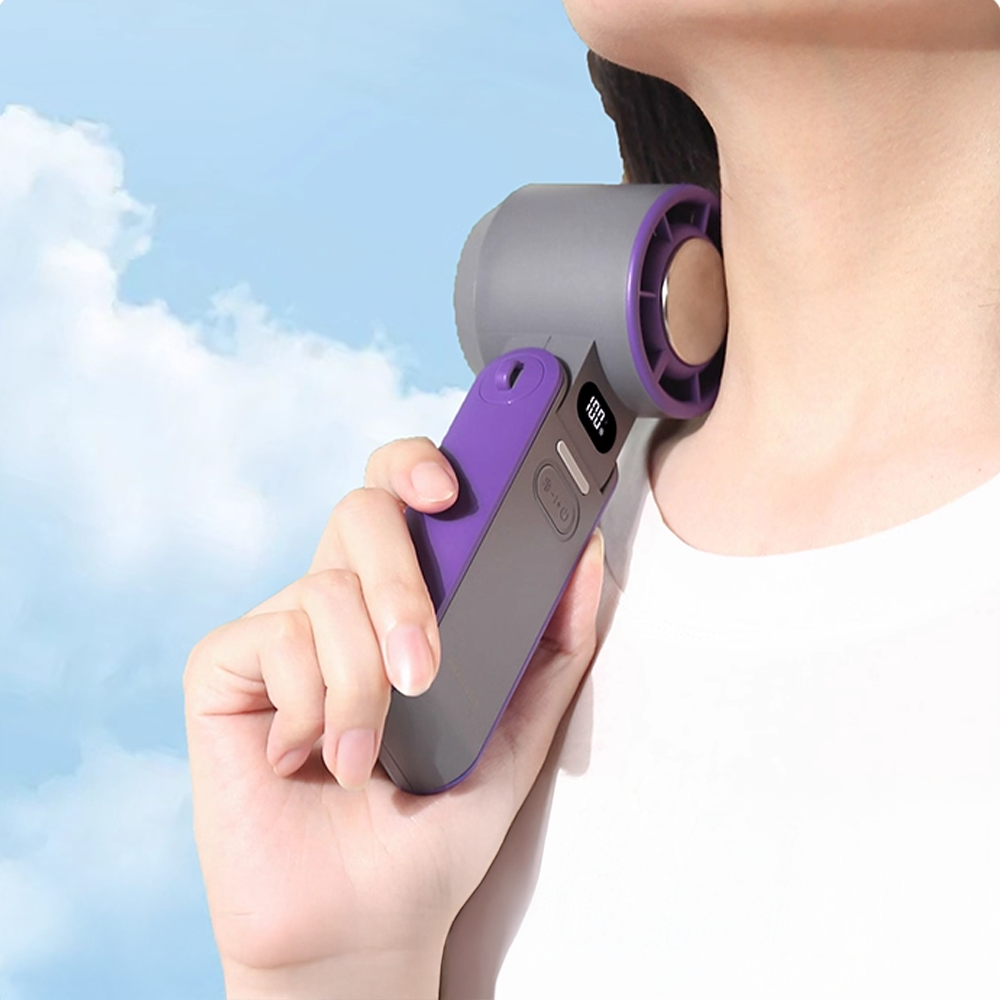
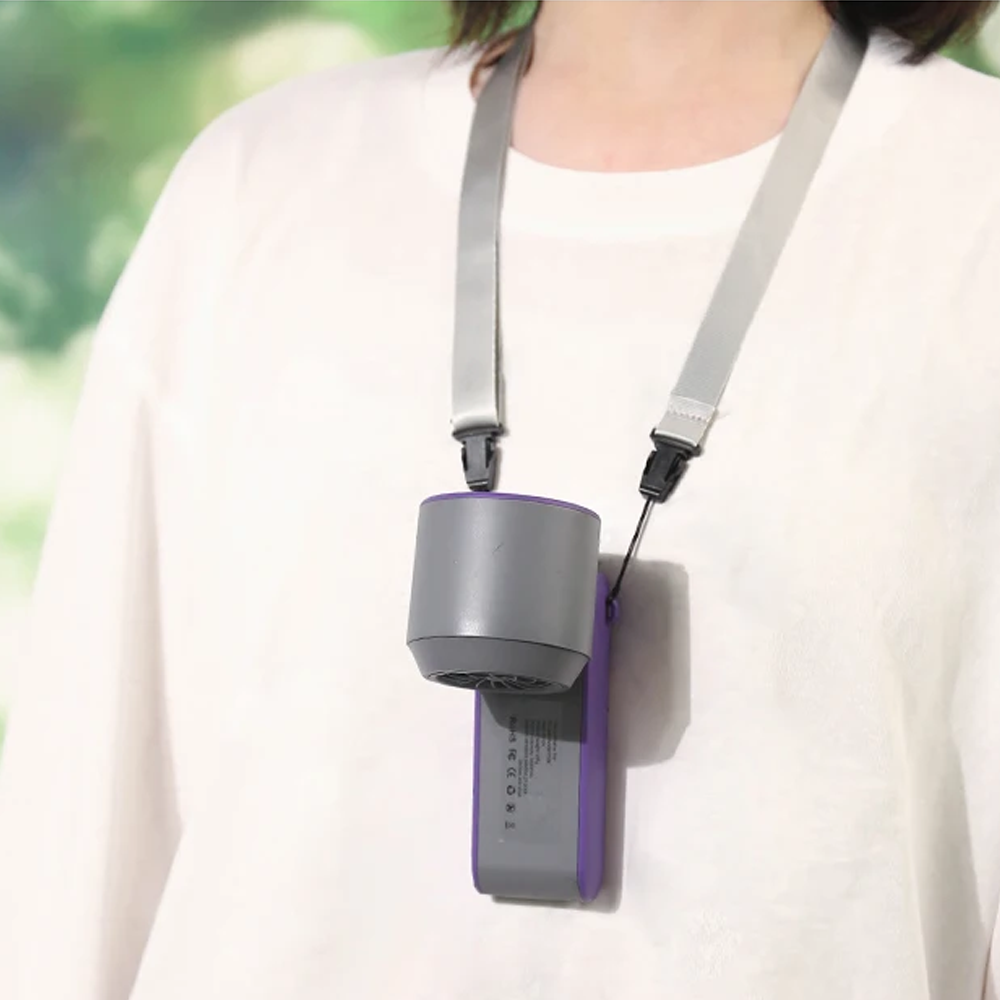
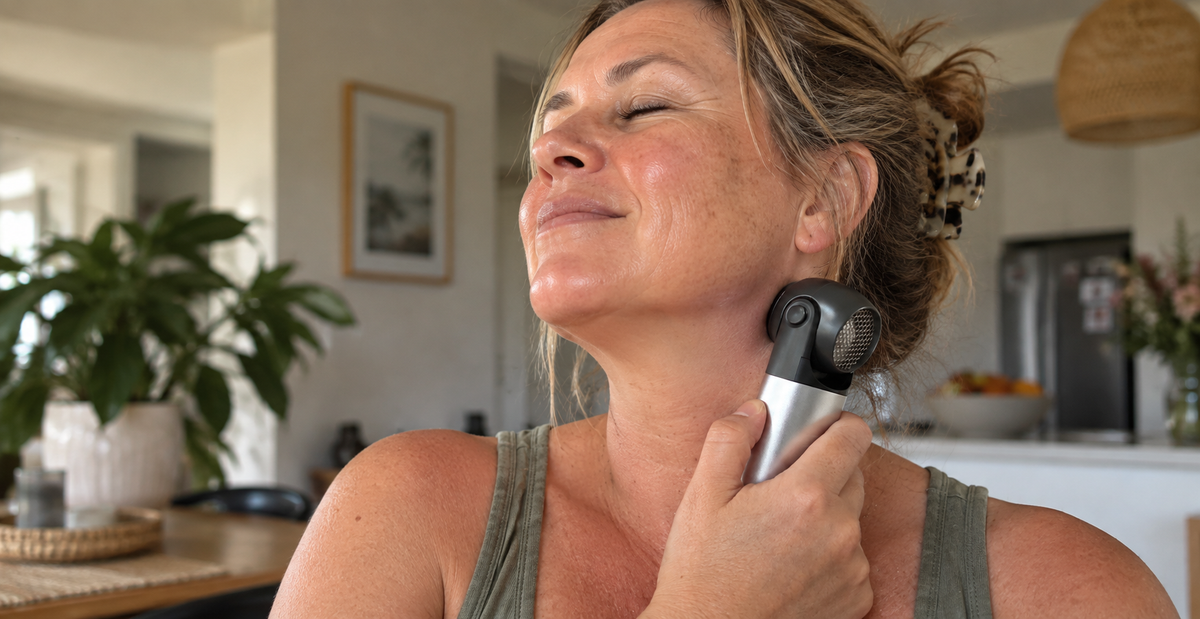
Worn as a neck fan. Here is something a lot of customers do not realise at first. Both our single and dual waist fans, along with our handheld fans, come with a lanyard. Slip it over your head and the fan hangs at your chest, sending air straight up at your neck and face. One fan, two ways to wear it. Clip it to your belt on site, then loop it round your neck for the walk home, at a festival, or on the train platform.
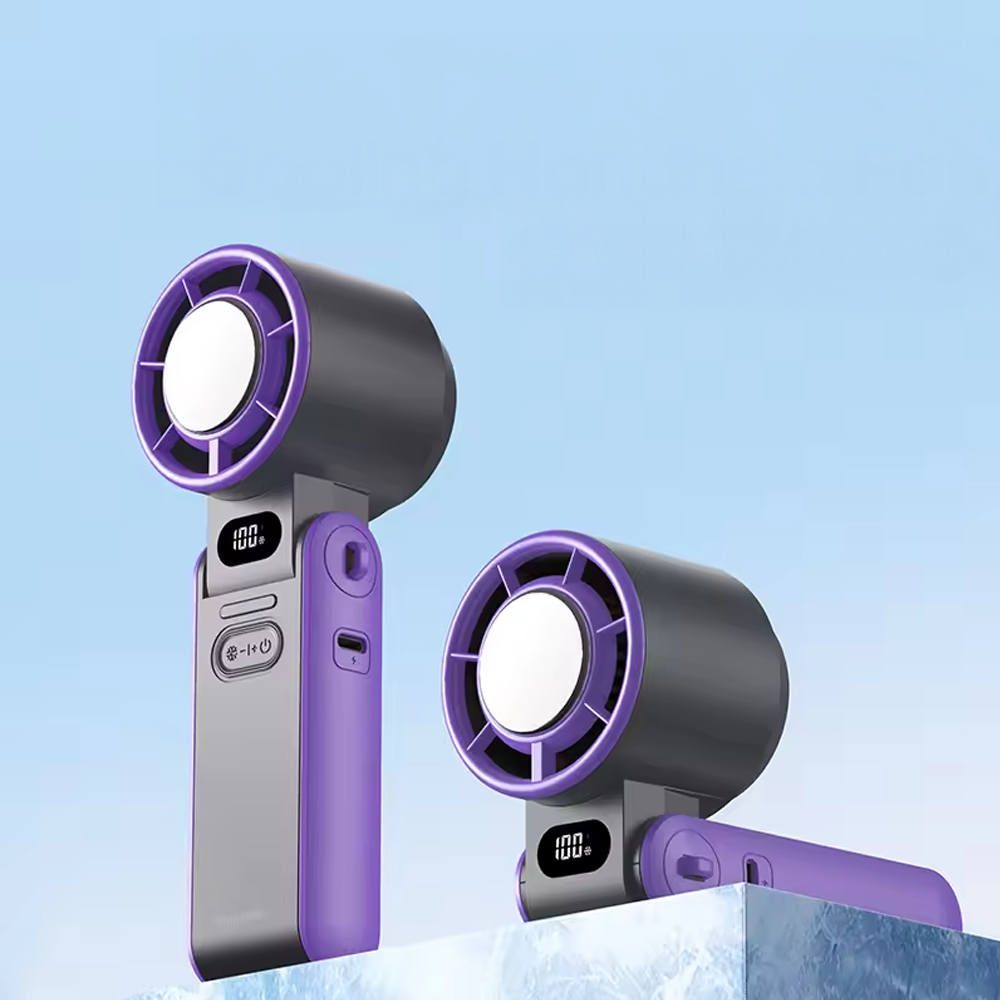
Dedicated neck fans. If you want pure hands free face and neck cooling with nothing clipped to your clothes, our range of neck fans sits comfortably around your neck and pushes air upward exactly where you feel cooling most. Quiet, lightweight, and rechargeable, they are a favourite for commuters, travellers, office workers near a warm window, and anyone managing hot flushes.
The science points the same way every time. The face and neck are where your body feels cooling first and strongest, moving air cools through both convection and evaporation, and upward airflow works with the heat rising off your body rather than fighting it. Our job was simply to build gear that gets the air where it counts.
Ready to feel the difference? Browse the full CapyCool range and find the fan that suits how you move through your day.
The research behind this article
- Douzi et al. (2022), Head, Face and Neck Cooling as Per-cooling Modalities to Improve Exercise Performance in the Heat, Sports Medicine Open
- Saldaris et al. (2025), Head, Face, and Neck Cooling for Performance: A Systematic Review and Meta-Analysis, International Journal of Sports Physiology and Performance
- Miyazawa et al. (2021), Intermittent face cooling reduces perceived exertion during exercise in a hot environment, Journal of Physiological Anthropology
- Mundel et al. (2003), The effect of passive heating and face cooling on perceived exertion during exercise in the heat
- Physiology, Heat Loss (2023), StatPearls, National Center for Biotechnology Information
- Wang et al. (2026), Thermophysiological and Perceptual Responses to Wearable Cooling Devices, Biomechanics (MDPI)
- Hayashi et al. (2022), Vagus activation by Cold Face Test reduces acute psychosocial stress responses, Scientific Reports
- Forehead cooling pilot study (2020), Effects of forehead cooling and supportive care on menopause-related sleep difficulties, hot flashes and menopausal symptoms, Sleep Medicine
This article is general information about how personal cooling works. It is not medical advice. If you have a health condition affected by heat, speak with your GP about what is right for you.









Share:
Why Are My Hands Always Cold? The Science and Safe Ways to Warm Them
How Do Waist Fans Work? The Science of Body Cooling