



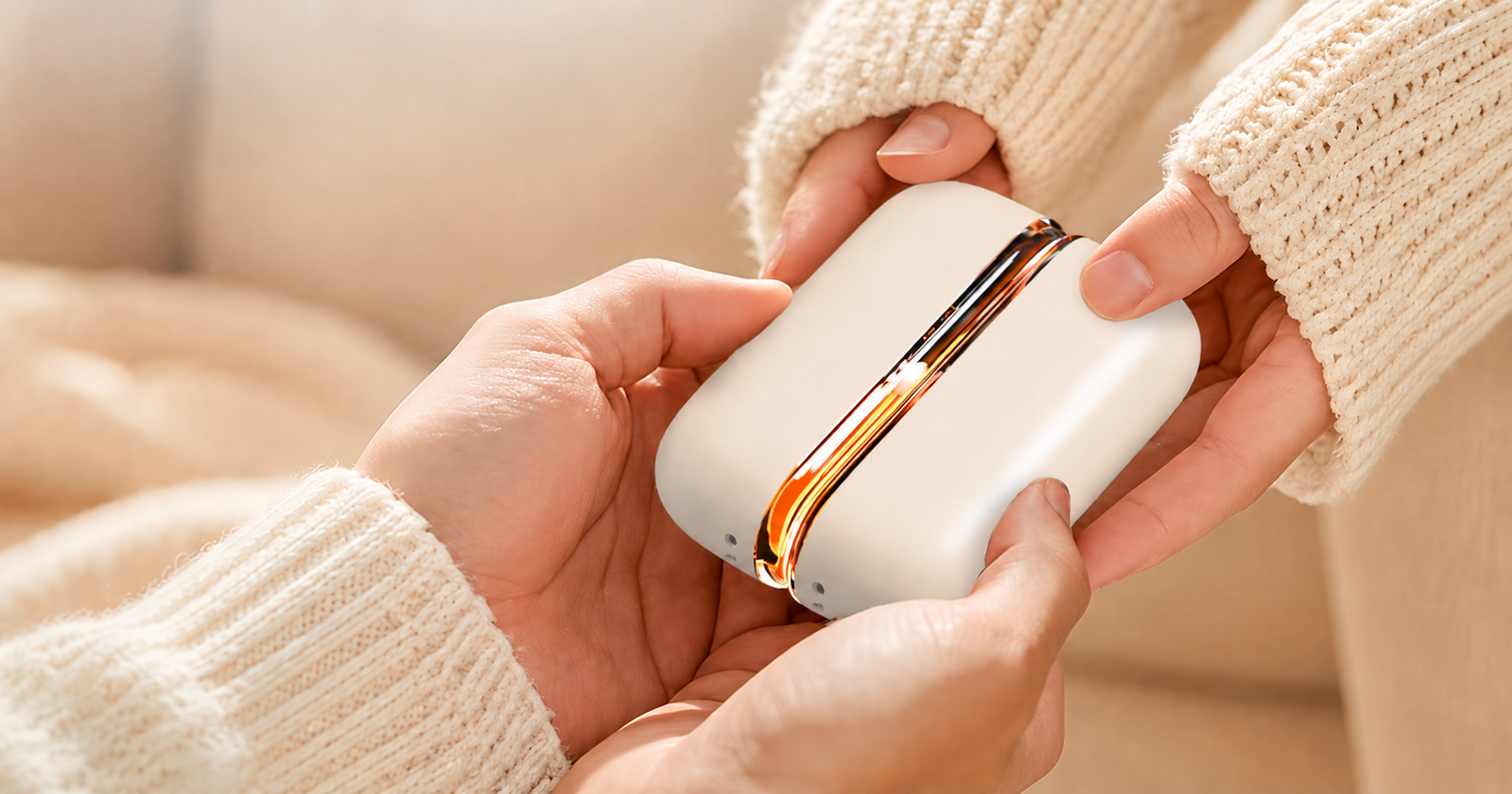
There is always someone with freezing hands.
The person rubbing their fingers together at the train station. The parent standing on a cold sports sideline. The camper trying to make coffee on a frosty morning. Or the office worker whose hands somehow feel icy even while everyone else seems fine.
So, why are your hands always cold, especially in winter?
In most everyday situations, cold hands are part of your body’s normal response to chilly conditions. When you get cold, your body prioritises keeping your core warm, which means your fingers can be among the first places to feel uncomfortable.
Here is what is happening, why it matters and how to warm cold hands safely.
Why do hands feel the cold first?
Your hands are excellent tools, but they are not especially good at holding onto heat.
When your body is exposed to cold, it responds by narrowing some of the blood vessels near the skin. This process is called peripheral vasoconstriction. In simple terms, your body reduces blood flow to areas such as the hands, feet, ears and nose so it can preserve warmth around vital organs.
That is useful for your body, but not so pleasant for your fingers.
With less warm blood circulating through your hands, they may begin to feel:
- Cold or icy
- Stiff
- Numb or tingly
- Slower and less coordinated
- Uncomfortable when gripping or holding objects
Your fingers are particularly vulnerable because they are small, exposed and have a relatively high surface area compared with their volume. That means they can lose warmth quickly when the temperature drops.
For most people, this is simply the body doing its job during a cold commute, an early morning walk or a winter weekend outdoors.
Why cold fingers can make everyday tasks harder
Cold hands are not only uncomfortable. They can also make your fingers less useful.
A 2025 study in Physiological Reports examined how prolonged cold exposure affected manual dexterity in healthy adults. The researchers identified noticeable declines in finger dexterity once finger skin temperature dropped to around 22.9°C. After rewarming, the fingers appeared even more vulnerable to further dexterity decline if they cooled again.
That helps explain why cold hands can make simple tasks surprisingly frustrating, such as:
- Typing on your phone while waiting for a bus
- Doing up buttons or zips
- Holding keys
- Setting up fishing or camping gear
- Carrying tools during an early worksite start
- Holding a takeaway coffee without feeling properly warmed up
In other words, your hands do not need to be dangerously cold before you notice a practical difference. A chilly set of fingers can quickly become clumsy, slow and hard to use.
Everyday situations that make cold hands worse
Some people notice cold hands all winter, while others only experience them in certain situations. Common triggers include:
Cold morning commutes
Standing at a train station, tram stop or bus stop before the sun has properly warmed things up can leave your fingers exposed for long periods, especially when you are holding a phone or bag instead of keeping your hands in your pockets.
Weekend sport sidelines
Winter netball, soccer, rugby and footy mornings often involve standing still in the cold for longer than expected. When you are not moving much, your body generates less heat, and your hands can become uncomfortable quickly.
Camping, hiking and fishing
Cold air, damp conditions and wind can all increase heat loss. Anyone who has tried tying fishing line or preparing breakfast at a frosty campsite knows that cold fingers can turn an easy job into a fiddly one.
Early starts and outdoor work
Tradies, warehouse workers, market staff and anyone working outdoors or around cold equipment may notice that their fingers feel stiff before the day has properly started.
Cold homes and home offices
Australia is not always as warm indoors as we assume. Research into Australian housing found that 81% of homes sampled across temperate states recorded average winter indoor temperatures below the World Health Organization’s recommended minimum of 18°C, with an overall winter mean indoor temperature of 16.5°C.
That means cold hands are not only an outdoor problem. They can happen while working from home, reading on the couch or getting ready in the morning.
How to warm cold hands safely
When your fingers feel frozen, it is tempting to reach for the hottest heat source you can find. But warming your hands gently is usually the safer and more comfortable approach.
1. Warm your whole body first
Cold hands often happen because your body is protecting its core. A warm jacket, scarf, beanie and dry socks can help your body feel less threatened by the cold, allowing circulation to your hands to improve.
Gloves are helpful, but they work best when the rest of you is warm too.
2. Keep your hands dry
Wet gloves, sweaty palms and damp sleeves can make your hands cool down faster. Carrying a spare dry pair of gloves during hiking, camping, sport or work can make a noticeable difference.
3. Move your hands and arms
Gentle movement can help increase blood flow. Try opening and closing your fists, moving your fingers or taking a brief walk rather than keeping your hands still and tense.
Avoid aggressive rubbing if your fingers are very cold, painful or numb.
4. Use warm, not extreme, heat
A warm drink, warm indoor space or gentle reusable heat source can help bring comfort back to your fingers.
Avoid placing very cold or numb hands directly against very hot water, heaters or high-temperature heat packs. Heat that feels manageable to one person may cause injury if sensation is reduced or the contact continues for too long.
5. Consider a rechargeable hand warmer for everyday cold
A rechargeable hand warmer can be a practical option for people whose hands regularly get cold during everyday activities.
Rather than trying to heat an entire environment, it gives you portable warmth exactly where you need it: in your pocket, on the sideline, during a commute or while waiting for the campsite kettle to boil.
The key is to choose an adjustable device and use it sensibly, especially during prolonged contact.
Where rechargeable hand warmers fit in
For the everyday “my hands are freezing” moment, a rechargeable hand warmer can be a simple, portable comfort tool.
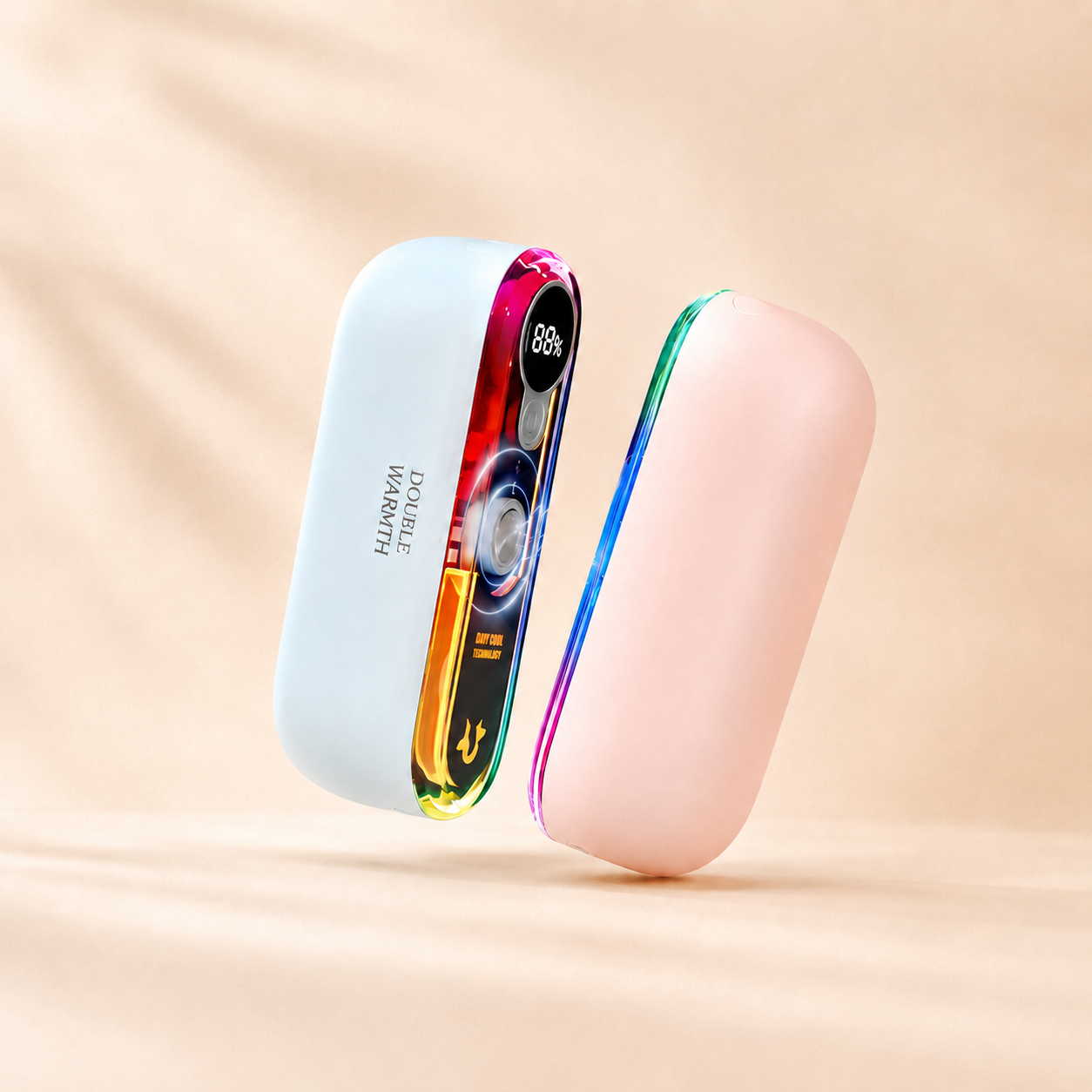
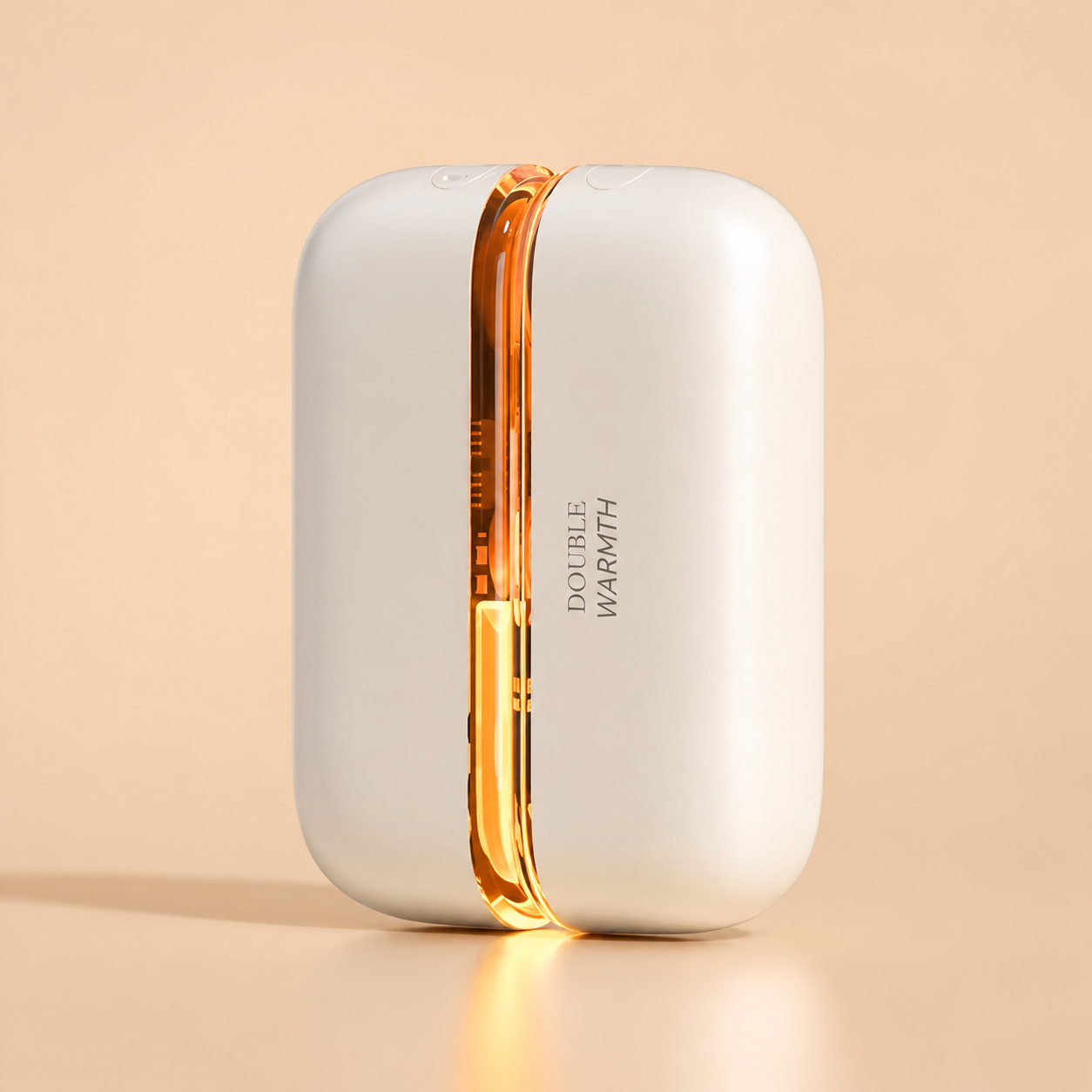
Unlike single-use warming packs, rechargeable hand warmers are designed to be reused and allow you to select a comfortable heat level. They are not a replacement for warm clothing, proper home heating or medical advice. They are simply a convenient way to keep gentle warmth close when cold hands are making your day less comfortable.
Meet CapyCosy
CapyCosy rechargeable hand warmers are designed for everyday winter comfort, whether you are commuting, walking, travelling, watching sport or heading outdoors on a crisp morning.
With portable rechargeable warmth in your pocket, CapyCosy gives you a simple way to take the edge off cold fingers when winter shows up.
Cold commute? Early morning walk? Weekend sport? Keep rechargeable warmth in your pocket with CapyCosy.
Frequently asked questions
Why are my hands always cold in winter?
Your hands often feel cold first because your body reduces blood flow to the extremities when exposed to cold, helping preserve warmth around your core. This can leave fingers feeling cold, stiff or harder to use.
How can I warm cold hands quickly and safely?
Start by warming your body with layers, keeping your hands dry and moving gently. Use moderate warmth rather than extreme heat, and avoid prolonged direct contact with hot objects or heated devices.
Are rechargeable hand warmers safe?
Rechargeable hand warmers can be used safely when product instructions are followed. Choose an adjustable warmer, use a comfortable heat setting and avoid prolonged contact with bare skin, especially if you have reduced sensation.
Why do my fingers go numb or change colour in the cold?
Temporary numbness can happen when hands become cold. However, repeated white, blue or red colour changes, pain, tingling or persistent numbness may be worth discussing with a GP, as these symptoms can occur with conditions such as Raynaud’s phenomenon.
Can a hand warmer treat cold hands caused by a medical condition?
A hand warmer can provide warmth and comfort, but it is not a treatment for a medical condition. Persistent, painful or unusual cold-hand symptoms should be assessed by a healthcare professional.
The takeaway
Cold hands are often your body’s way of conserving heat when the temperature drops. Unfortunately, that means your fingers can become uncomfortable, stiff and less useful well before the rest of you feels seriously cold.
The simplest approach is often the best: warm your whole body, keep your hands dry, use gentle heat and pay attention to symptoms that do not feel normal.
And for everyday winter moments, from frosty commutes to chilly sidelines, a rechargeable hand warmer can be a practical little pocket companion for keeping your hands comfortably warm.
References used for this article
- Hand Warmers, Cold Exposure and Health in Australia: An Evidence Review.
- Chapman C et al. Occupational cold stress and rewarming alters skin temperature thresholds for manual dexterity decrements. Physiological Reports, 2025.
- Healthdirect Australia. Raynaud’s phenomenon.
- Diabetes Australia. Peripheral neuropathy.
- ISO 13732-1:2006. Ergonomics of the thermal environment: hot surface contact and burn risk assessment.











Share:
Tired of Paying Through the Nose for Diesel? There's a Smarter Way to Stay Cool Off-Grid
Why Blowing Air Up at Your Face and Neck Actually Works: The Science Explained