




We recently stumbled across this fantastic podcast from The Atlantic called The Neck Fans Are Coming, and it really got us thinking. The episode dives into the growing trend of wearable cooling devices like neck fans, with cultural critics and tech enthusiasts weighing in on everything from their practicality to their social acceptability. If you haven’t listened to it yet, it’s well worth a play. It made us ask ourselves: Are neck fans just another tech gimmick, or are they truly the future of personal cooling?
Here at CapyCool, this question hit close to home. As an Australian brand born under the sweltering sun, we know firsthand how challenging rising temperatures can be. Whether you’re battling the heat on Bondi Beach or sitting through a summer workday in a stuffy office, staying cool is no small feat. While air conditioning and traditional fans have long been the go-to solutions, devices like neck fans are introducing a whole new way to beat the heat.
Why Neck Fans Are Gaining Popularity
Neck fans are portable, lightweight, and easy to use—making them perfect for outdoor activities, commuting, or even household chores. But beyond the convenience, there’s actual science behind why these gadgets work so well.
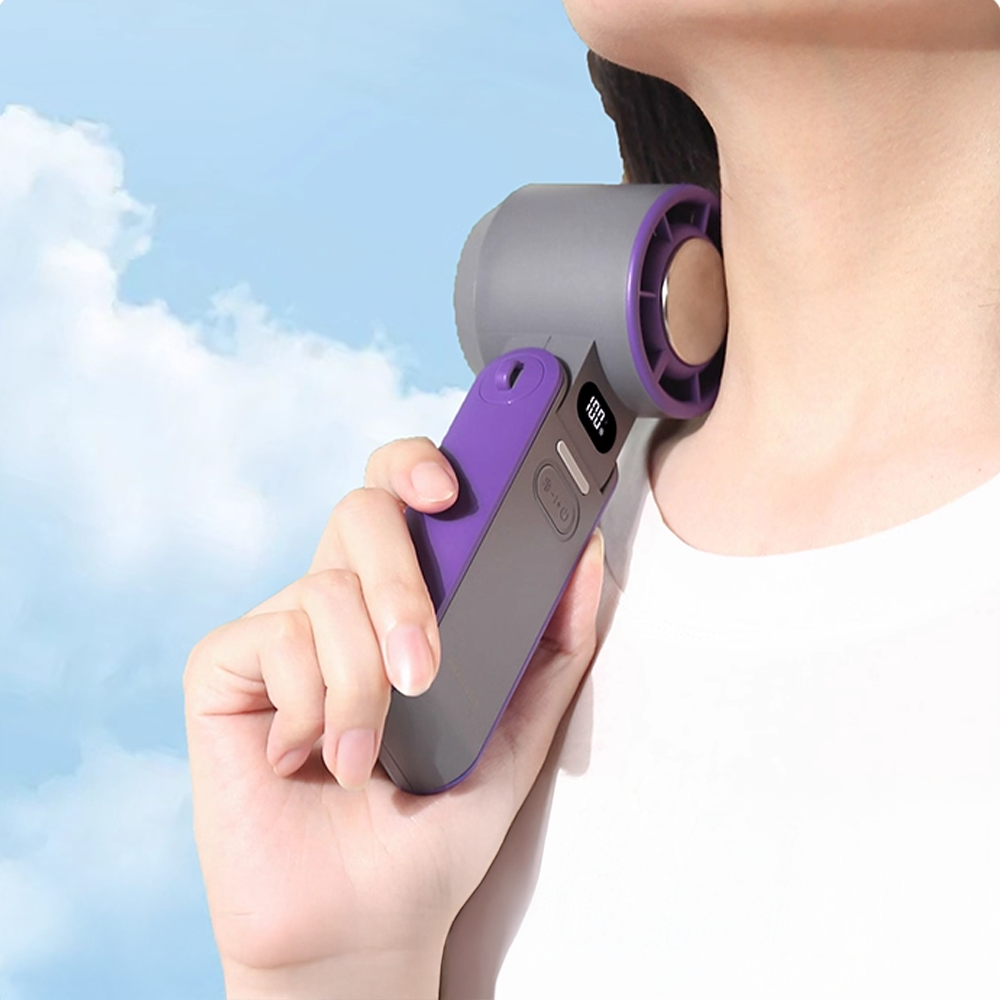
Research on personal cooling devices has shown that direct airflow to the skin can significantly improve thermal comfort. By increasing evaporation and convection, fans help reduce body heat effectively, even in hot environments. Neck fans, specifically, target a high-surface-area zone of the body: the neck and face. These areas contain important blood vessels, and cooling them can help lower overall body temperature.
A study published in the Journal of Thermal Biology found that targeted cooling—such as airflow directed at the head and neck—can improve perceived comfort and reduce heat stress during mild exercise in hot conditions. This makes neck fans particularly useful for Australians who deal with soaring summer temperatures daily.

Social and Cultural Acceptance
As highlighted in The Atlantic podcast, there’s been a cultural shift toward embracing wearable technology. Once seen as clunky or socially awkward, devices like smartwatches, wireless earbuds, and now neck fans are becoming normalized—and even trendy. While some may still give you a second glance while you’re rocking a neck fan, they’re slowly finding their way into mainstream fashion and function.
How CapyCool Fits In
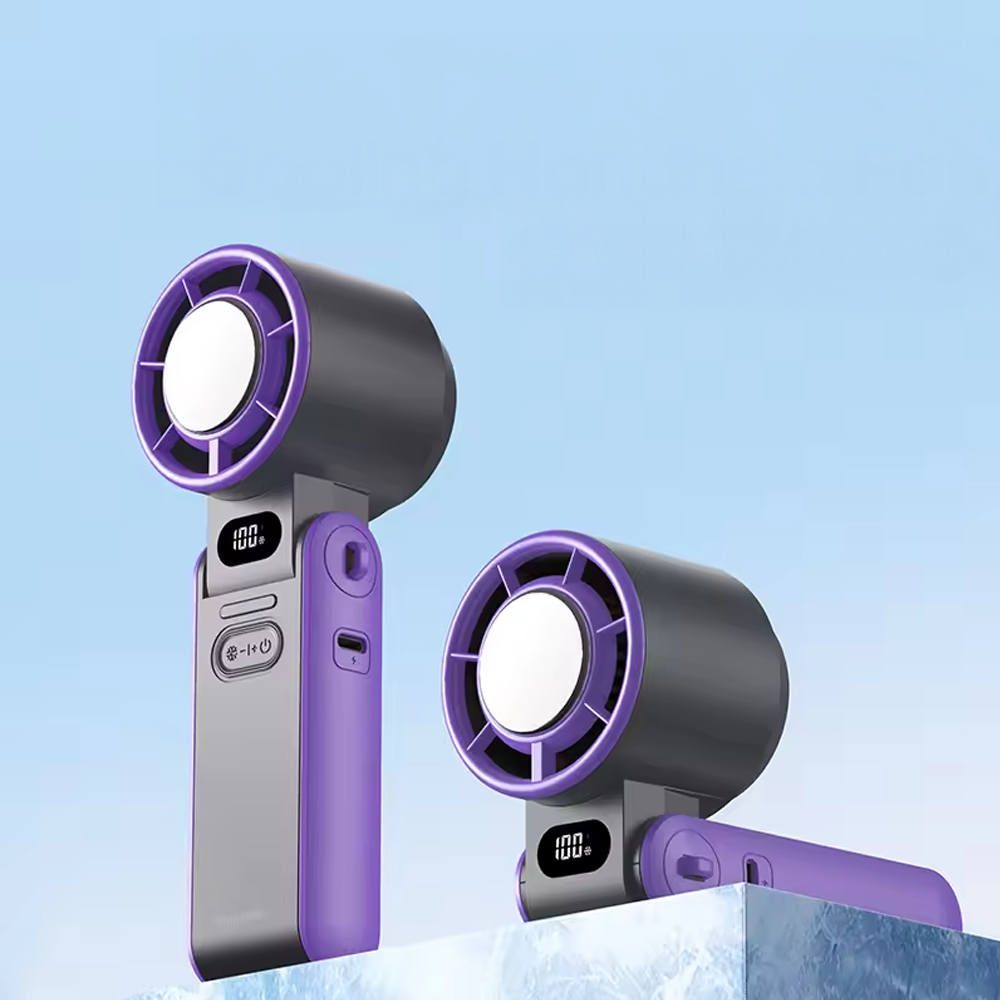
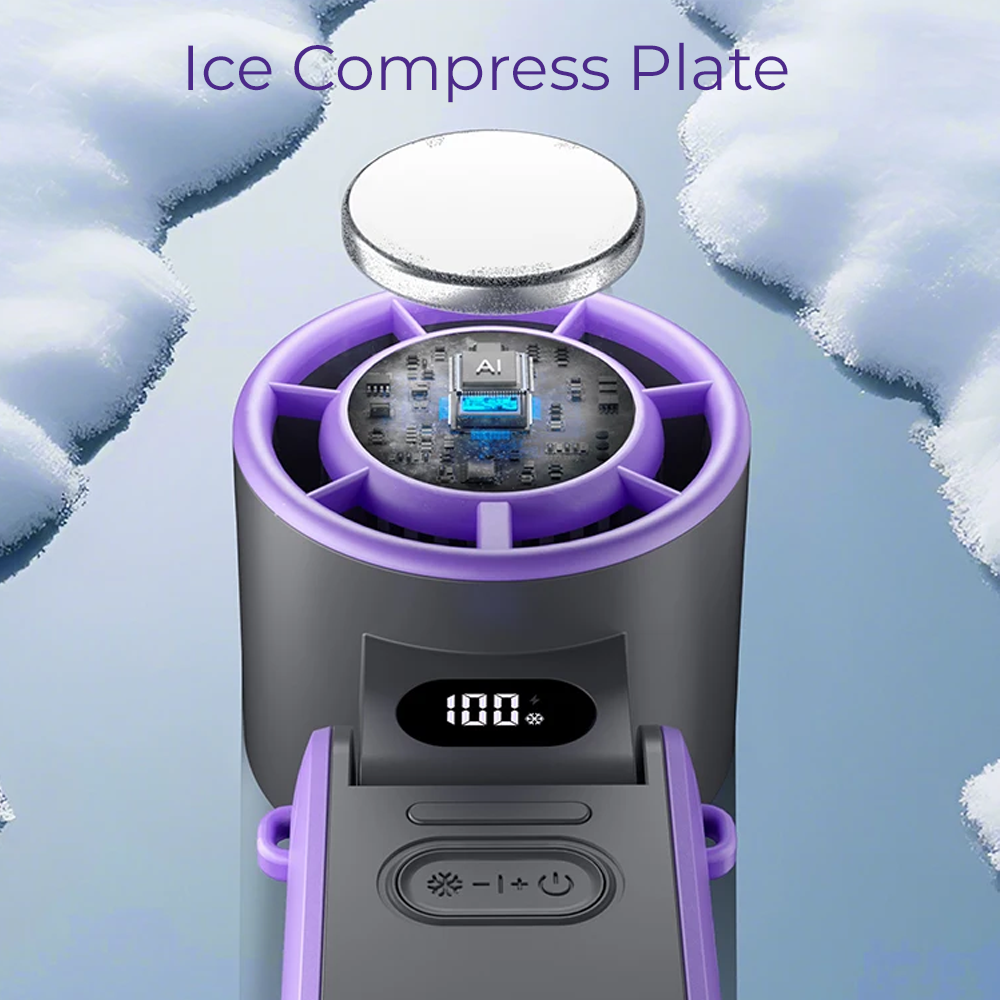
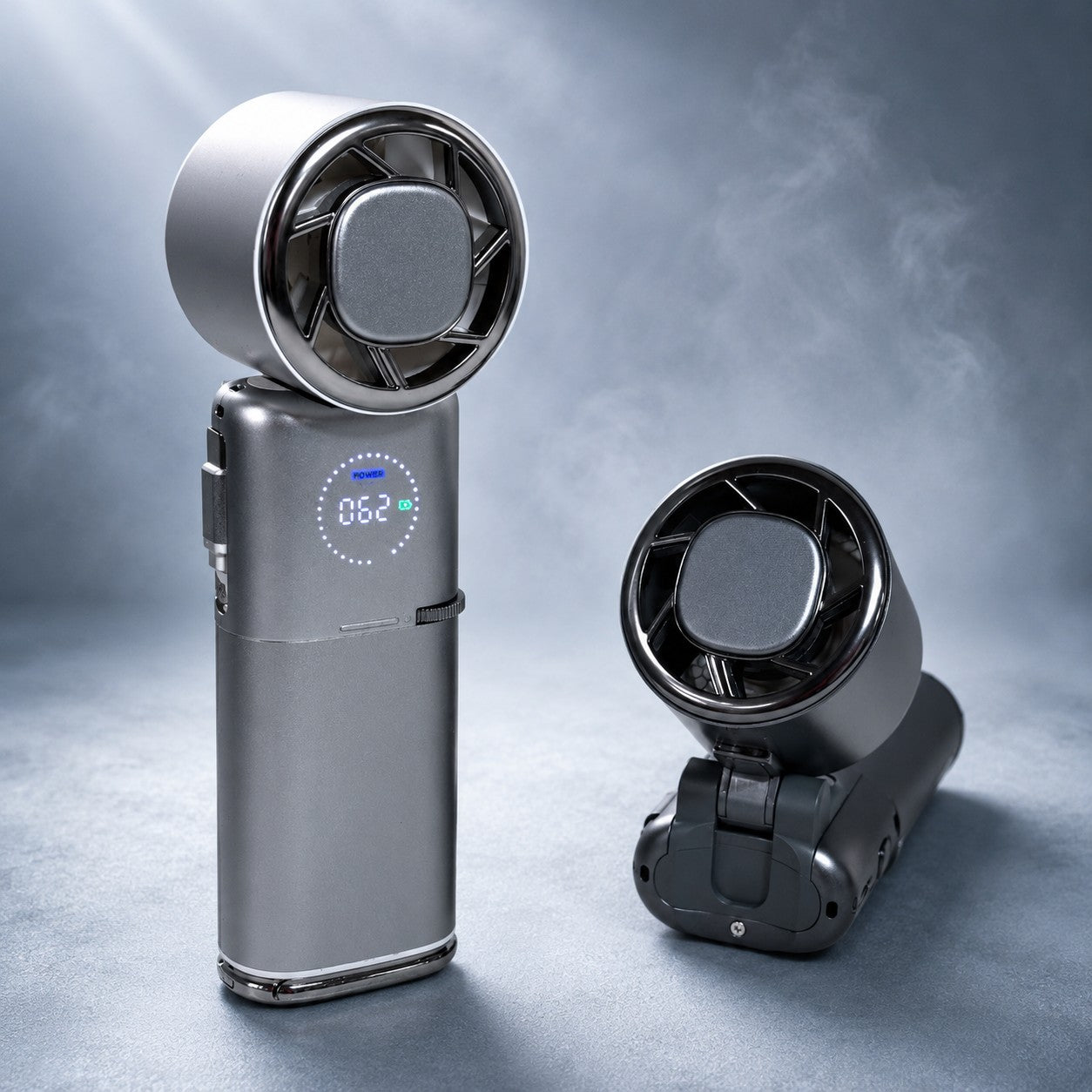
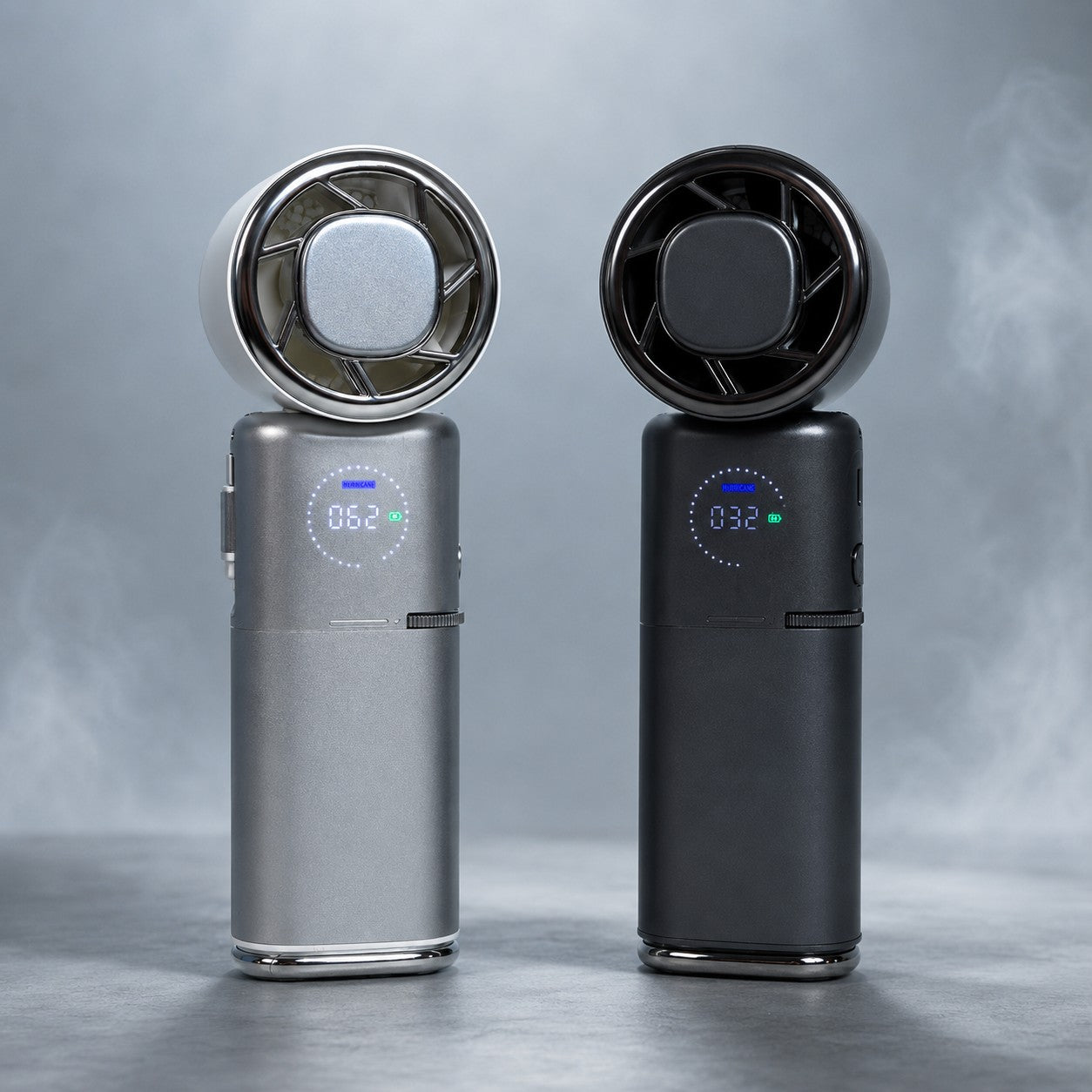
At CapyCool, we’ve always believed that staying cool shouldn’t mean compromising on comfort, style, or ease of use. That’s why our products, like the our popular foldable neck fan, are designed with the same principles that make neck fans so appealing: they’re efficient, portable, and made to help you handle the heat—whether you’re exploring the Outback or commuting in a packed city train.

Inspired by nature’s chillest creature, the capybara, we’ve taken cues from their relaxed approach to surviving in warm climates. Much like these easygoing animals, our mission is to help you stay cool anywhere, whether you’re lounging at the beach, running errands, or braving the heat at a festival.
The Future of Cooling in Australia (and Beyond)
As Australians, we’re no strangers to extreme heat. From blazing summer days to the dry heat of the Outback, we’ve felt it all. And while wearable cooling gadgets like neck fans are exciting, they’re just the beginning. At CapyCool, we’re constantly exploring how technology can make staying comfortable easier and more enjoyable, especially in the face of climate change.
So, are neck fans the future of personal cooling? They’re certainly part of it. Backed by science and embraced by tech-savvy individuals worldwide, they’re proof that innovation can make even the hottest days a little cooler. As we embrace new ways to beat the heat, what matters most is finding solutions that fit seamlessly into our lives—just like the trusty capybara, always calm and collected, no matter the weather.
What do you think? Are you ready to try wearable cooling, or are you sticking with the classics?













Share:
Where to See Capybaras in Australia: Ultimate Guide
Reducing Thermal Perception vs Reducing Actual Body Temperature