




As temperatures rise and we all look for ways to stay cool, you might find yourself wondering: should I use a dehumidifier or a humidifier this summer? Let's break it down and help you make the right choice for your climate.
Understanding Humidity
Before we dive in, it's important to understand that comfort isn't just about temperature—humidity plays a huge role too. High humidity can make you feel sticky and uncomfortable, while very low humidity can dry out your skin and airways.
Dehumidifiers: Your Ally Against Muggy Summers
When to Use a Dehumidifier
- In humid climates (think tropical or subtropical regions)
- During rainy seasons
- In poorly ventilated spaces
Benefits of Dehumidifiers in Summer
- Increased Comfort: Reduces that sticky, muggy feeling
- Improved Air Quality: Helps prevent mould and mildew growth
- Energy Efficiency: Your air conditioner won't have to work as hard
- Odour Reduction: Helps eliminate musty smells
Best For
- Coastal areas of Australia
- Tropical regions like Queensland or Northern Territory
Humidifiers: For When Dry Heat Strikes
When to Use a Humidifier
- In arid climates
- When using air conditioning extensively
- If you're experiencing dry skin or respiratory issues
Benefits of Humidifiers in Summer
- Skin Health: Prevents dry, itchy skin
- Respiratory Comfort: Eases breathing in very dry conditions
- Static Reduction: Reduces static electricity
- Plant Health: Keeps indoor plants happy in dry conditions
Best For
- Inland areas of Australia
- Dry regions like parts of Western Australia or South Australia
Why Airflow Matters Just as Much as Humidity
While humidity levels play a big role in how comfortable you feel, there’s another key factor that often gets overlooked - airflow. Even if your indoor humidity is well-balanced, stagnant air can still make a room feel heavy and stuffy. That’s where fans come in.
Moving air helps your body cool itself naturally through evaporative cooling — the process where sweat evaporates from your skin and carries heat away. Research from the University of Sydney shows that air movement of just 1–2 m/s can improve thermal comfort by up to 4°C in perceived temperature, even without changing humidity or temperature levels.
In humid conditions, this makes fans one of the most energy-efficient ways to stay comfortable. Instead of relying solely on air conditioning or dehumidifiers, combining them with a steady breeze helps you feel cooler, breathe easier, and save energy.
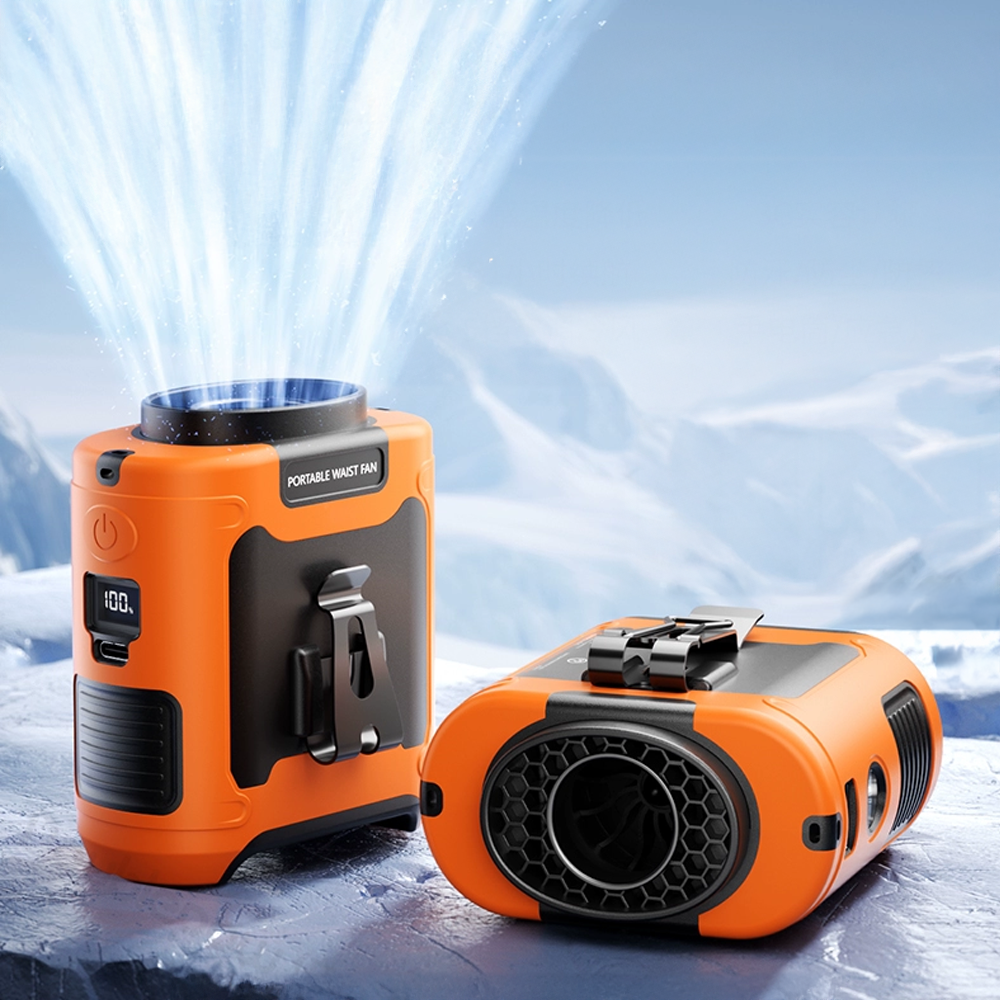
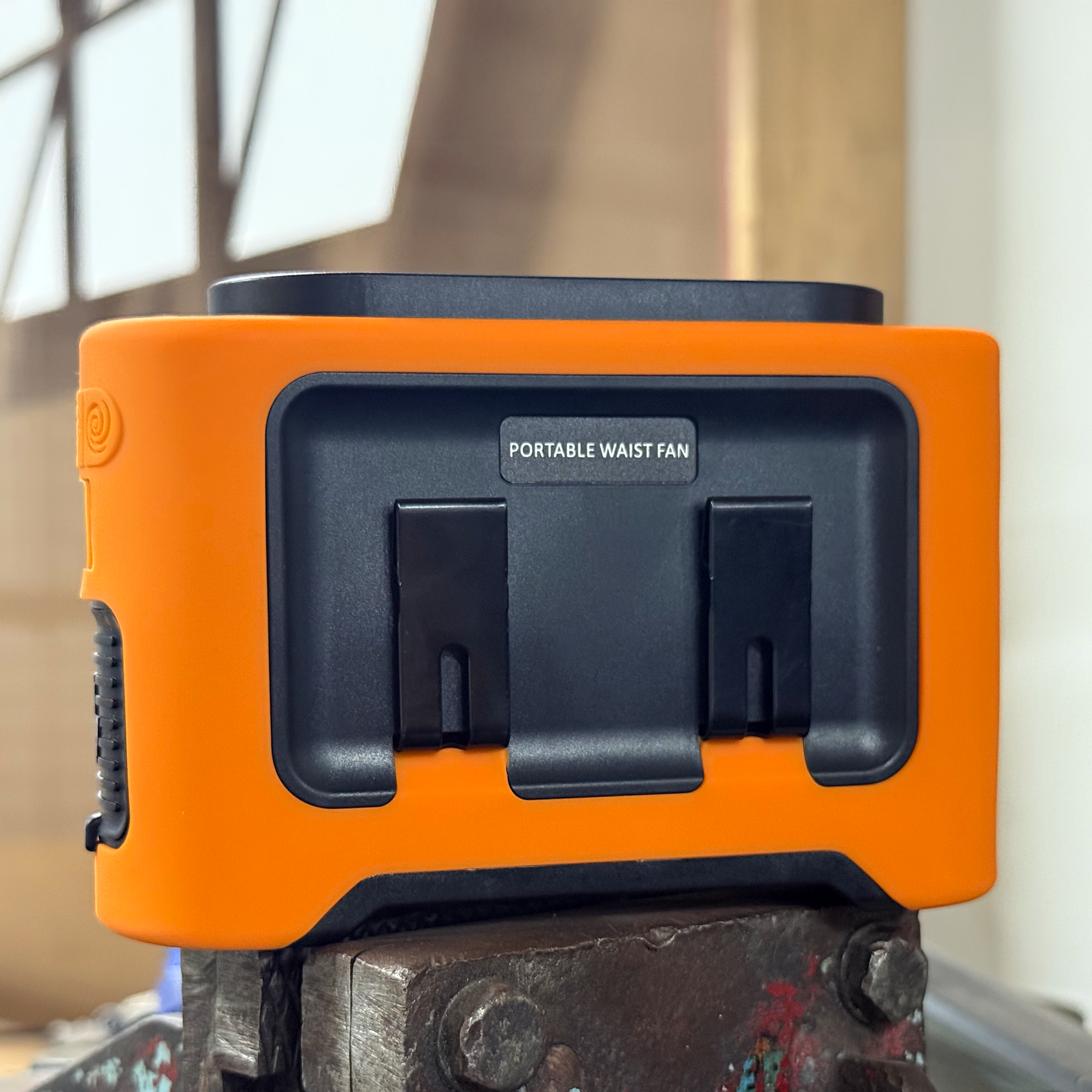
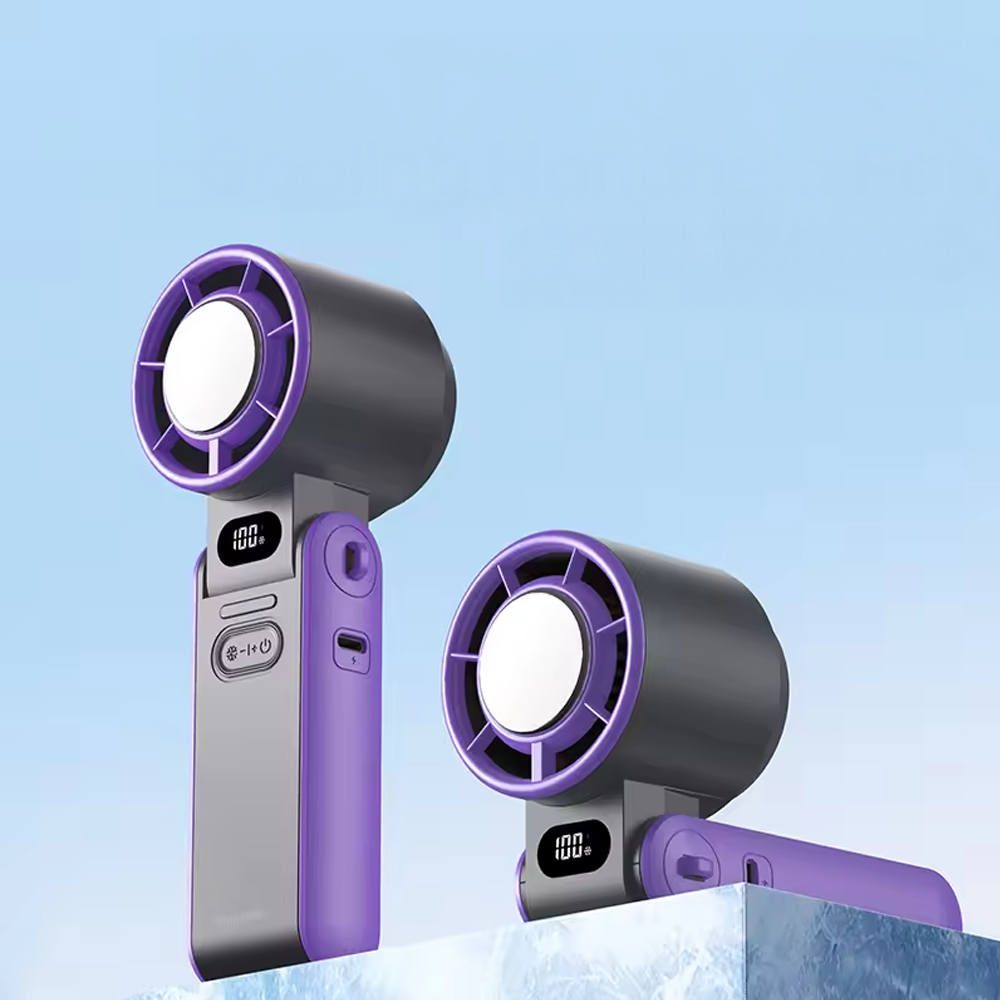
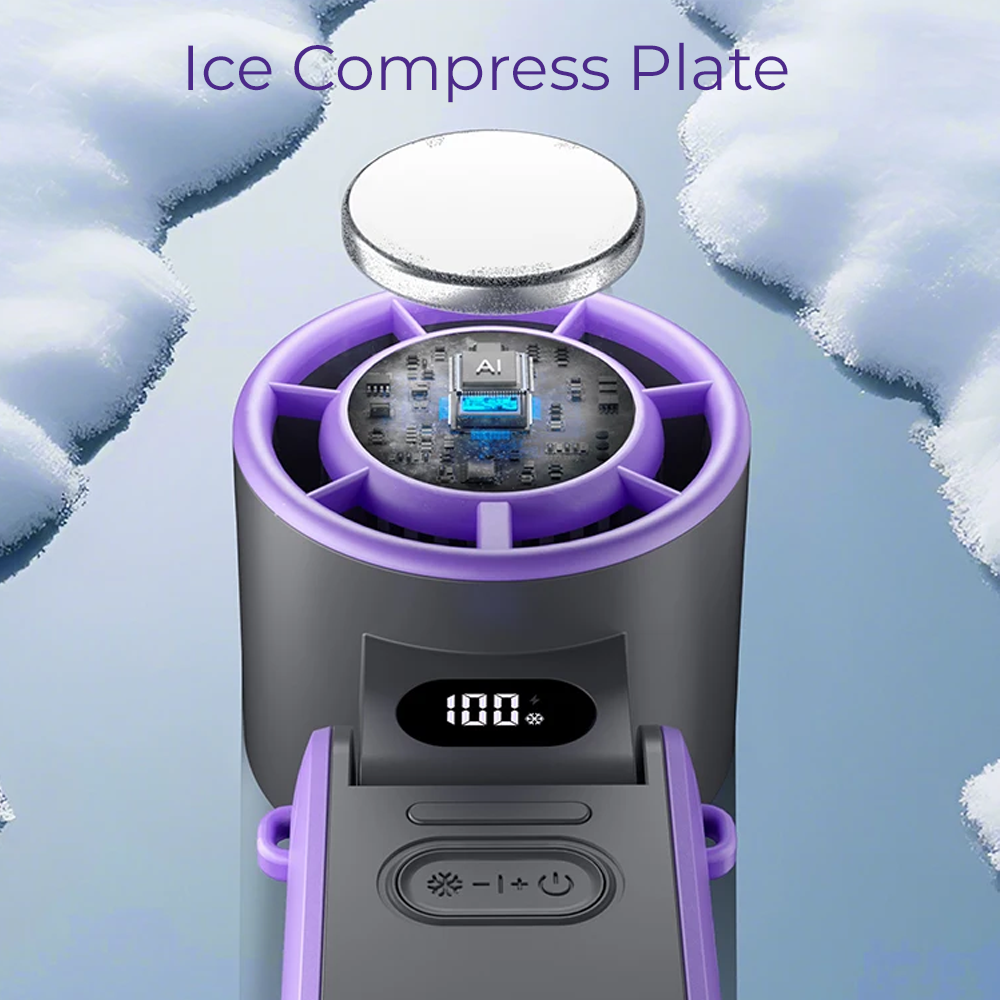
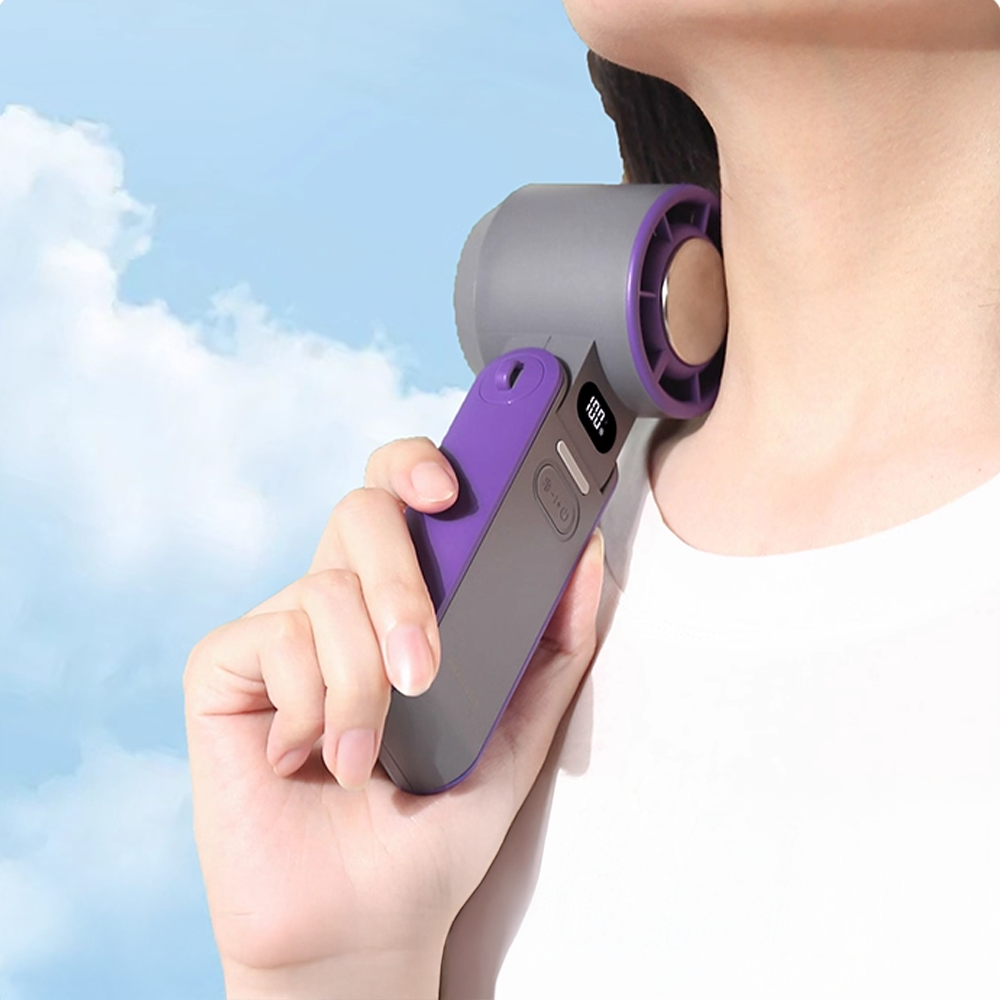
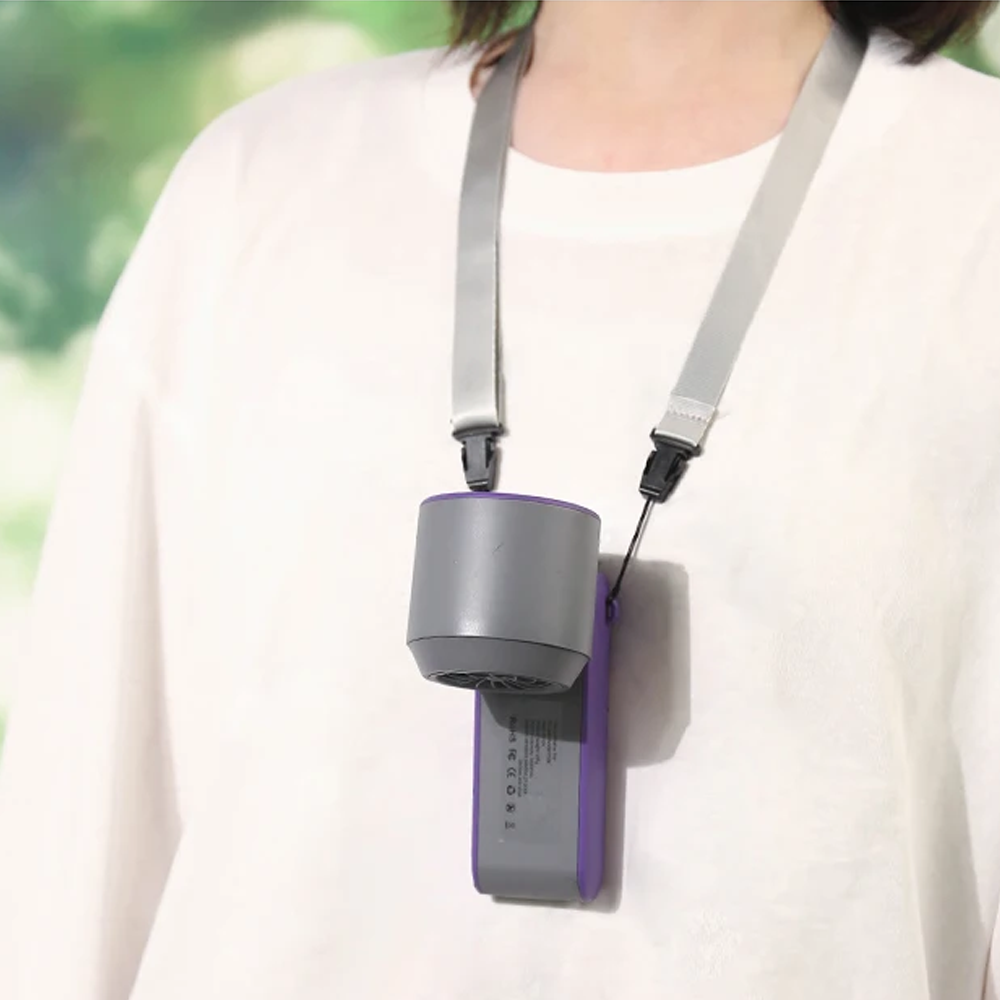
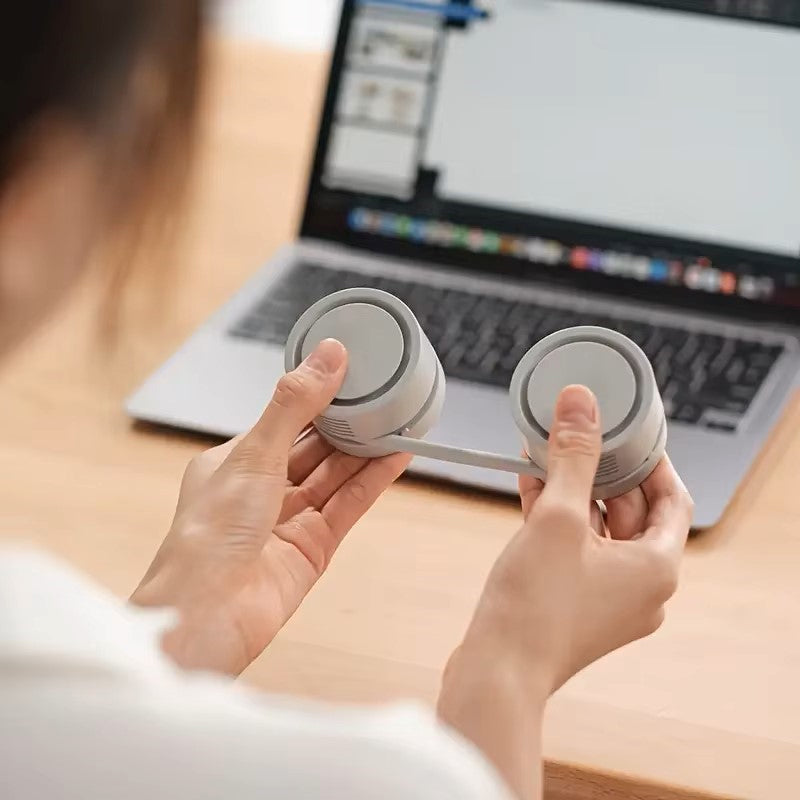
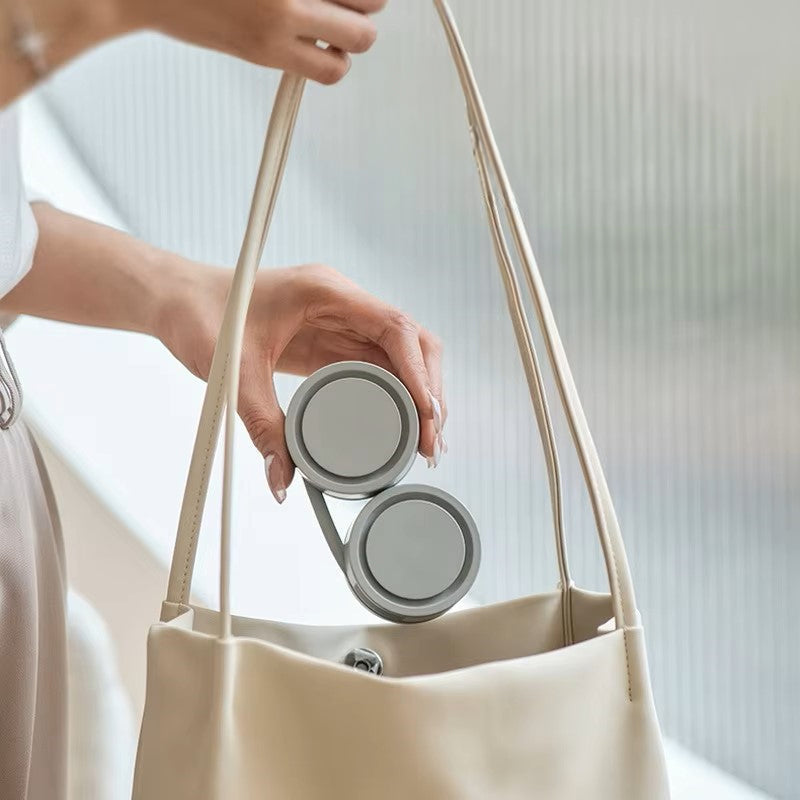
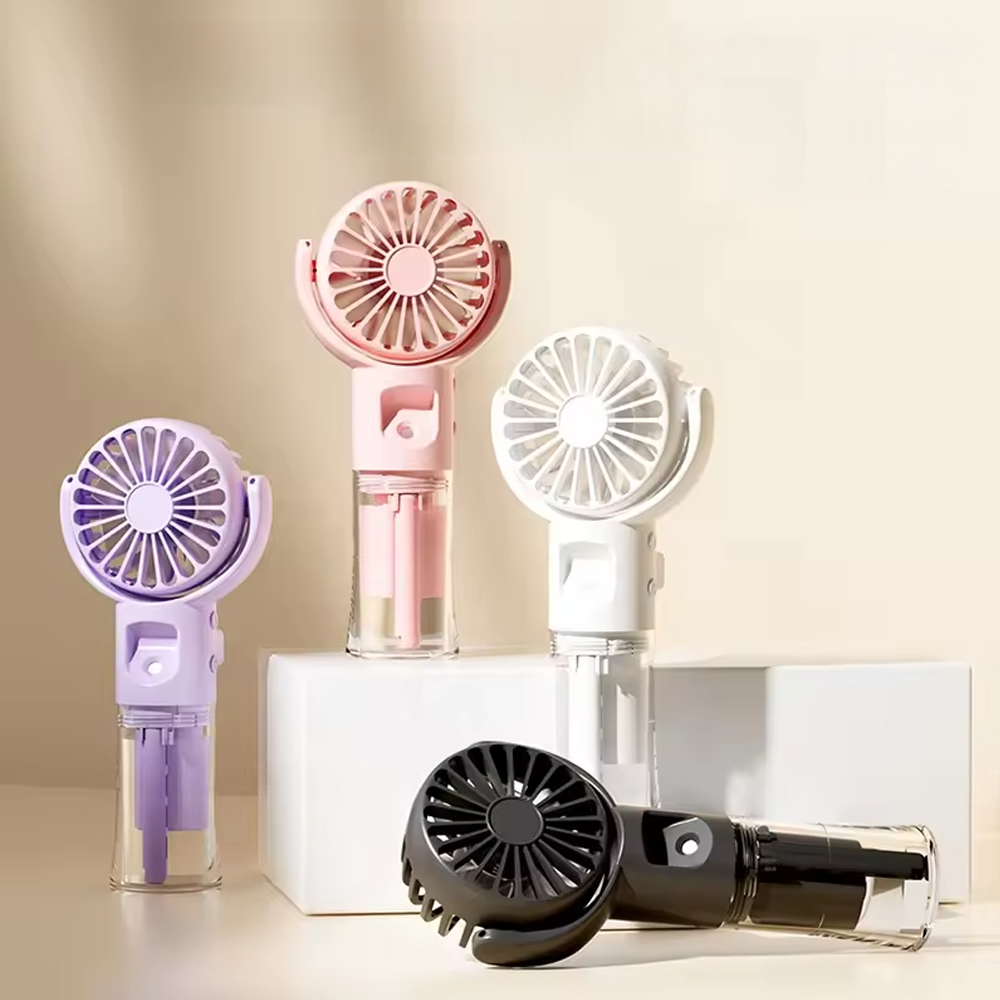
That’s exactly what CapyCool fans are designed for — boosting natural airflow wherever you are. Whether it’s a wearable waist fan keeping you cool while working outdoors, or a foldable turbo fan circulating fresh air through your bedroom, airflow complements humidity control to create the perfect comfort balance.
Pro tip: If you’re using a dehumidifier indoors, place a fan nearby to help circulate the drier air evenly throughout the space. You’ll notice a faster, more uniform cooling effect — all while keeping your power bills down.
The Verdict
The choice between a dehumidifier and a humidifier depends entirely on your local climate and personal comfort needs.
- Choose a Dehumidifier if you live in a humid area and feel sticky or uncomfortable.
- Opt for a Humidifier if your climate is dry and you're experiencing issues like dry skin or static electricity.
Remember, the goal is to maintain indoor humidity levels between 30-50% for optimal comfort and health.









Share:
5 Reasons Why Capybaras Are the Coolest Animals
10 Cooling Hacks for a Better Night's Sleep: Capybara Edition